Wild Geranium
Geranium maculatum
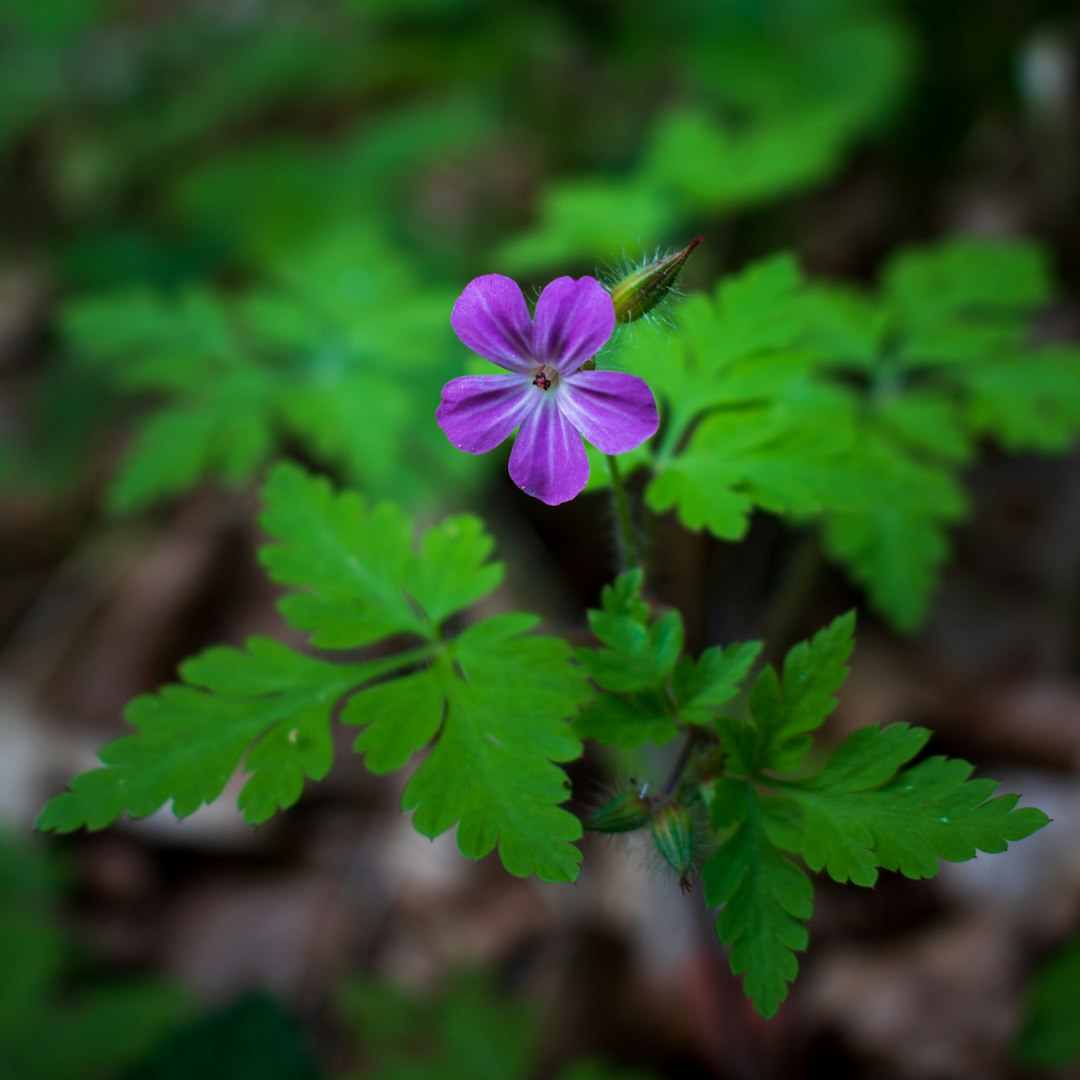
Wild Geranium (Geranium maculatum) is a perennial native wildflower. Hardy in USDA zones 3 to 11.
Sun
Full sun to partial shade
Zones
3–11
USDA hardiness
Height
14-18 inches
Planting Timeline
Showing dates for Wild Geranium in USDA Zone 7
All Zone 7 native-wildflower →Zone Map
Click a state to update dates
Wild Geranium · Zones 3–11
Growing Details
Complete Growing Guide
Light: Full sun (6 or more hours of direct sunlight a day), Partial Shade (Direct sunlight only part of the day, 2-6 hours). Soil: Clay, High Organic Matter, Loam (Silt), Sand. Soil pH: Acid (<6.0), Neutral (6.0-8.0). Drainage: Good Drainage, Moist, Occasionally Wet. Height: 1 ft. 2 in. - 1 ft. 6 in.. Spread: 1 ft. 0 in. - 1 ft. 6 in.. Spacing: Less than 12 inches. Growth rate: Rapid. Maintenance: Low, Medium. Propagation: Division, Seed. Regions: Coastal, Mountains, Piedmont.
Harvesting
Beaked seed capsules give rise to the common name of crane's bill. Fruit is available May-July.
Type: Capsule.
Harvest time: Spring, Summer
Edibility: Teas can be made from the plant
Storage & Preservation
Fresh wild geranium flowers have limited shelf life. Store cut stems in a cool location out of direct sunlight for a few days, changing water daily as you would with any cut flower. For longer preservation, dry flowers by hanging small bundles upside down in a warm (60-75°F), dry, well-ventilated space away from direct sun for 2-3 weeks until completely papery. Store dried flowers in airtight containers in a cool, dry place—they retain color and form for 6-12 months. Seeds can be dried and stored in paper envelopes in a cool location for future sowing. Some gardeners preserve the entire plant by pressing flowers between newspaper weighted down for 2-4 weeks, creating botanicals for framing. Unlike culinary herbs, wild geranium flowers aren't typically frozen or canned, but dried specimens work beautifully for craft projects, potpourri, and dried arrangements.
History & Origin
Origin: SE. Canada to Central & Eastern U.S.A
Advantages
- +Attracts: Butterflies, Pollinators, Small Mammals, Songbirds, Specialized Bees
- +Edible: Teas can be made from the plant
- +Fast-growing
- +Low maintenance
Companion Plants
Wild Columbine (Aquilegia canadensis), Wild Ginger (Asarum canadense), and Bloodroot (Sanguinaria canadensis) make the best neighbors because they share the same woodland-edge niche — similar soil pH around 6.0, similar moisture needs, and staggered bloom times that keep the patch interesting from March through June. Wild Ginger spreads low and slow enough to fill gaps without crowding the Geranium's root zone. The harmful ones are more serious: Black Walnut produces juglone, a root-exuded compound toxic enough to knock back a wide range of native plants within its drip line, and Garlic Mustard (Alliaria petiolata) — an invasive we pull on sight in zone 7 Georgia gardens — suppresses mycorrhizal fungi that Geranium maculatum depends on. Don't let either get established nearby.
Plant Together
Wild Columbine
Shares similar shade tolerance and soil preferences, creates natural woodland garden aesthetic
Bloodroot
Both are spring ephemerals with complementary bloom times and similar moisture requirements
Wild Ginger
Provides ground cover and shares preference for moist, humus-rich woodland soils
Trillium
Compatible shade-loving native with similar soil and moisture needs
Mayapple
Creates beneficial understory canopy and thrives in same woodland conditions
Jack-in-the-Pulpit
Complementary native woodland plant that enjoys similar moist, shaded environments
Wild Bergamot
Attracts beneficial pollinators and has natural pest-repelling properties
Violets
Ground-covering companion that shares habitat preferences and attracts beneficial insects
Keep Apart
Black Walnut
Produces juglone toxin that inhibits growth of many understory plants including wild geranium
Autumn Olive
Invasive shrub that outcompetes native plants and alters soil chemistry
Garlic Mustard
Aggressive invasive that releases chemicals inhibiting native plant germination and growth
Troubleshooting Wild Geranium
What you'll see, why it happens, and what to do about it.
Powdery white coating on leaves in mid-to-late summer, especially on plants in dense shade
Likely Causes
- Powdery mildew (Erysiphe geranii) — fungal, thrives in humid conditions with poor airflow
- Overcrowded planting at less than 12-inch spacing
What to Do
- 1.Thin surrounding plants to open up airflow — Wild Geranium doesn't need companions pressed right against it
- 2.Cut the whole clump back hard after flowering; it'll put up fresh foliage and the mildew rarely follows
- 3.Don't overhead-water in the evening; if you're irrigating, do it in the morning so leaves dry before nightfall
Plant dies back completely by July, leaving a bare patch where it was growing
Likely Causes
- Summer dormancy — Geranium maculatum is a natural summer-dormant perennial, not a diseased or dead plant
- Planted in full sun with no afternoon shade, which accelerates dormancy onset
What to Do
- 1.Mark the spot with a stake or plant label so you don't accidentally dig it up thinking it's dead
- 2.Interplant with Wild Bergamot (Monarda fistulosa) to fill the gap — it's hitting its stride right as the Geranium checks out for the season
- 3.If dormancy is coming before June, move the clump to a spot with more afternoon shade at fall division time
Frequently Asked Questions
How long does wild geranium take to bloom from seed?▼
Can you grow wild geranium in full sun?▼
Is wild geranium good for beginners?▼
Should I deadhead wild geranium flowers?▼
What's the difference between wild geranium and cultivated geranium?▼
When should I plant wild geranium seedlings outdoors?▼
Zone-by-Zone Planting Calendar
| Zone | Indoor Start | Transplant | Direct Sow | Harvest |
|---|---|---|---|---|
| Zone 3 | — | June – August | May – July | — |
| Zone 4 | — | June – July | April – June | — |
| Zone 5 | — | May – July | April – June | — |
| Zone 6 | — | May – July | April – June | — |
| Zone 7 | — | May – June | March – May | — |
| Zone 8 | — | April – June | March – May | — |
| Zone 9 | — | March – May | February – April | — |
| Zone 10 | — | March – April | January – March | — |
| Zone 11 | — | February – March | January – February | — |
Growing Guides from Wind River Greens
Sources & References
External authority sources used in compiling this guide.
- ExtensionNC State Extension
See the Methodology page for how this data is sourced, what's AI-assisted, and known limitations.