Yellow Wild Indigo
Baptisia tinctoria
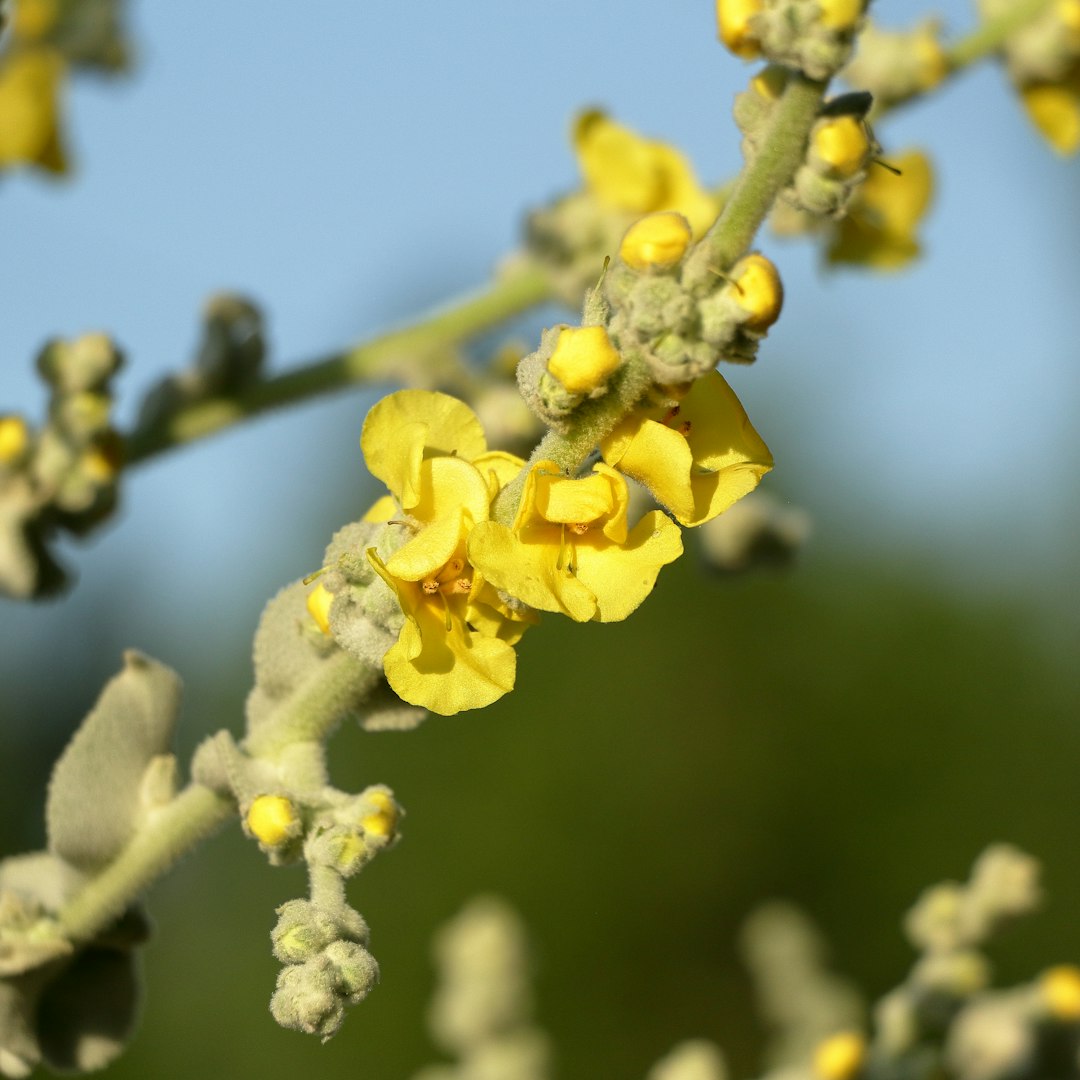
Yellow Wild Indigo (Baptisia tinctoria) is a perennial native wildflower. Hardy in USDA zones 3 to 9.
Sun
Full sun to partial shade
Zones
3–9
USDA hardiness
Height
2-3 feet
Planting Timeline
Showing dates for Yellow Wild Indigo in USDA Zone 7
All Zone 7 native-wildflower →Zone Map
Click a state to update dates
Yellow Wild Indigo · Zones 3–9
Growing Details
Complete Growing Guide
Light: Full sun (6 or more hours of direct sunlight a day), Partial Shade (Direct sunlight only part of the day, 2-6 hours). Soil: Sand. Soil pH: Acid (<6.0). Drainage: Good Drainage, Moist, Occasionally Dry. Height: 2 ft. 0 in. - 3 ft. 9 in.. Spread: 2 ft. 0 in. - 3 ft. 0 in.. Spacing: Less than 12 inches. Maintenance: Low. Propagation: Seed, Stem Cutting. Regions: Coastal, Mountains, Piedmont.
Harvesting
Puggy, inflated bean pods are seen from July to November. They come after the flowers have bloomed. They are ripe when black, and the pod sounds like a rattle because of the seeds inside. Some people like the looks of the seed pods for ornamental interest.
Color: Black. Type: Legume.
Garden value: Good Dried, Showy
Harvest time: Fall, Summer
Storage & Preservation
Yellow Wild Indigo is a native wildflower typically grown for ornamental purposes rather than harvest. If collecting seeds for propagation, store them in a cool, dry location at room temperature (65-70°F) with low humidity in airtight containers. Dried seed pods can be preserved indefinitely when kept dry and protected from pests. For fresh-cut flowers, place stems in water in a cool location and enjoy for 7-10 days. Flowers can be dried for arrangements by hanging in a cool, dark, well-ventilated space for 2-3 weeks, preserving color and form beautifully.
History & Origin
Origin: South Eastern Canada to North Central & Eastern U.S.A
Advantages
- +Bright yellow flowers bloom reliably in spring and early summer
- +Extremely drought tolerant once established, requires minimal water
- +Deep taproot prevents need for frequent division or replanting
- +Attracts native bees and pollinators to the garden ecosystem
- +Hardy across wide climate range from zone 3 to 9
Considerations
- -Long taproot makes transplanting and division difficult or impossible
- -Slow to establish in first year, patience required for growth
- -Seed pods can self-seed aggressively if not deadheaded promptly
- -Susceptible to root rot in poorly drained or wet soils
Companion Plants
Yellow wild indigo does best alongside native prairie and meadow plants, and the reasons are mostly about soil chemistry. Little Bluestem Grass and Prairie Dropseed both thrive in the same lean, acidic, well-drained conditions Baptisia prefers — plant any of them next to a fertilized, neutral-pH bed and they'll all suffer together, but put them in the right ground and none of them is drawing down resources the others need. Wild Lupine is a particularly good neighbor because both species fix atmospheric nitrogen through root-associated bacteria (Baptisia works with Bradyrhizobium strains), so they're not competing for soil nitrogen at all. Purple Coneflower, Black-Eyed Susan, Wild Bergamot, and Goldenrod bloom at staggered points from early summer through October, which keeps native bees cycling through the planting long after Baptisia's yellow flowers finish in July.
The problem companions fail for distinct reasons. Kentucky Bluegrass has a dense, fibrous root mat that competes aggressively for shallow moisture and will crowd out a slow-establishing Baptisia before the taproot ever gets deep enough to matter. Crown Vetch is allelopathic — it releases compounds that actively suppress germination and early growth in neighboring plants, which is a real problem when you're already waiting 2-3 years for Baptisia to fill in. Autumn Olive is an invasive shrub that fixes its own nitrogen and casts deep shade, pushing soil conditions toward exactly the rich, shaded environment this plant can't use. In our zone 7 Georgia gardens, Autumn Olive turns up along woodland edges more often than people expect, so if you're putting Baptisia into a naturalized or semi-wild area, scout for it first.
Plant Together
Little Bluestem Grass
Provides structural support and creates natural prairie habitat conditions
Purple Coneflower
Attracts beneficial pollinators and both thrive in similar prairie conditions
Wild Bergamot
Shares similar soil preferences and attracts complementary beneficial insects
Black-Eyed Susan
Compatible prairie native that blooms at different times, extending pollinator season
Wild Lupine
Both are nitrogen-fixing legumes that can share beneficial root bacteria
Prairie Dropseed
Deep-rooted grass that improves soil structure without competing for nutrients
Goldenrod
Attracts beneficial predatory insects that control pests on indigo
New England Aster
Late-season bloomer that extends habitat value and shares soil preferences
Keep Apart
Kentucky Bluegrass
Aggressive non-native grass that competes heavily for water and nutrients
Crown Vetch
Invasive legume that can overwhelm and outcompete native wildflowers
Autumn Olive
Allelopathic shrub that releases chemicals inhibiting native plant growth
Troubleshooting Yellow Wild Indigo
What you'll see, why it happens, and what to do about it.
Seeds sown direct fail to germinate after 30+ days, even with adequate moisture
Likely Causes
- Hard seed coat blocking water uptake — Baptisia tinctoria has a thick, impermeable testa that requires scarification before germination occurs
- No cold stratification period — seeds sown without a prior 60-day cold treatment often stay dormant
What to Do
- 1.Scarify seeds by rubbing them lightly on sandpaper or nicking the coat with a nail file before sowing
- 2.Cold-stratify in a damp paper towel inside a zip-lock bag in the fridge for 60 days, then direct sow in March
- 3.If you missed spring, pot them up and let them overwinter outside — they'll germinate on their own schedule next spring
Plant stays small and pale green after its first full season, putting out only a few weak stems
Likely Causes
- Soil too rich or too neutral — Baptisia tinctoria is adapted to acidic, lean soils (pH below 6.0) and fertilized beds actively work against it
- Root disturbance from transplanting — the taproot on yellow wild indigo resents being moved and sulks for 1-2 seasons even when handled carefully
What to Do
- 1.Stop fertilizing entirely — no compost top-dress, no side-dressing; extra nutrients push leafy growth at the expense of the root system this plant is trying to build
- 2.Test your soil pH and amend with sulfur if you're sitting above 6.0
- 3.Don't give up in year one or two — most plants hit their stride around year 3 once the taproot is properly established
Foliage developing gray-white powdery coating on leaf surfaces in late summer
Likely Causes
- Powdery mildew (Erysiphe polygoni or a related species) — common on Baptisia in humid conditions with poor airflow, especially when plants are crowded
- Spacing under 24 inches, which traps moisture around the canopy
What to Do
- 1.At 24-36 inches apart, check that nothing is pressing in from the sides — aggressive turf or sprawling neighbors are usually the culprit
- 2.Late-season mildew on an established plant rarely causes serious harm; cut affected stems back to the crown after the plant goes dormant in fall
- 3.If it's recurring every year, move the plant to a spot with better morning sun and air movement
Frequently Asked Questions
How long does Yellow Wild Indigo take to bloom from seed?▼
Can you grow Yellow Wild Indigo in containers?▼
Is Yellow Wild Indigo good for beginning gardeners?▼
When should I plant Yellow Wild Indigo seeds?▼
What does Yellow Wild Indigo look like in bloom?▼
How much sun does Yellow Wild Indigo need?▼
Zone-by-Zone Planting Calendar
Growing Guides from Wind River Greens
Sources & References
External authority sources used in compiling this guide.
- ExtensionNC State Extension
See the Methodology page for how this data is sourced, what's AI-assisted, and known limitations.