Double Click Bicolor Pink
Cosmos bipinnatus
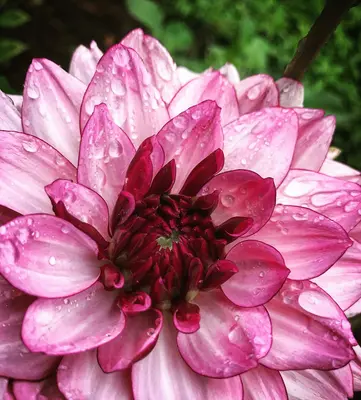
2-3" fully double and semidouble bicolor flowers on strong stems for cutting. They are highly variable in the proportion of pink to white, creating the pleasant effect of a bicolor mix. Flower colors range from a contrasting, dark pink edge on a bright white flower to soft, creamy white with blush of pink. Cosmos are also known as garden cosmos.
Harvest
75-90d
Days to harvest
Sun
Full sun to partial shade
Zones
2–11
USDA hardiness
Height
2-4 feet
Planting Timeline
Showing dates for Double Click Bicolor Pink in USDA Zone 7
All Zone 7 flower →Zone Map
Click a state to update dates
Double Click Bicolor Pink · Zones 2–11
Growing Details
Succession Planting
Double Click Bicolor Pink keeps producing as long as you deadhead consistently, so a single sowing usually carries you from midsummer through frost. If you want a heavy, uninterrupted cut-flower supply, two rounds — one direct-sown in April and a second in late May — staggers peak bloom and gives you a backup if the first planting catches a late cold snap or a spider mite outbreak in July.
Stop sowing by late June in most zones. Seeds started after that won't hit the 75-90 day mark before shorter days and cooler soil slow everything down — germination drops off sharply once soil temps fall below 60°F, and the plants that do emerge won't perform the same way they did in spring.
Complete Growing Guide
2-3" fully double and semidouble bicolor flowers on strong stems for cutting. They are highly variable in the proportion of pink to white, creating the pleasant effect of a bicolor mix. Flower colors range from a contrasting, dark pink edge on a bright white flower to soft, creamy white with blush of pink. Cosmos are also known as garden cosmos. According to Johnny's Selected Seeds, Double Click Bicolor Pink is 75 - 90 days to maturity, annual, open pollinated. Notable features: Use for Cut Flowers and Bouquets.
Light: Full sun (6 or more hours of direct sunlight a day), Partial Shade (Direct sunlight only part of the day, 2-6 hours). Soil: Clay, Loam (Silt), Sand. Soil pH: Alkaline (>8.0), Neutral (6.0-8.0). Drainage: Good Drainage, Occasionally Dry. Height: 2 ft. 0 in. - 4 ft. 0 in.. Spread: 2 ft. 0 in. - 3 ft. 0 in.. Spacing: 12 inches-3 feet. Growth rate: Rapid. Maintenance: Low. Propagation: Seed. Regions: Coastal, Mountains, Piedmont.
Harvesting
Double Click Bicolor Pink reaches harvest at 75 - 90 days from sowing per Johnny's Selected Seeds. Expect 2-3" at peak. As an annual, harvest continues until frost ends the season.
Type: Capsule.
Storage & Preservation
For cut flowers, store Double Click Bicolor Pink cosmos in a cool location (65-72°F) away from direct sunlight and ripening fruit. Keep stems in clean water with flower food, changing water every 2-3 days for optimal vase life of 7-10 days. For preservation, air-dry fully mature blooms by hanging upside-down in a warm, dark, well-ventilated space for 2-3 weeks, creating long-lasting dried arrangements. Alternatively, press flowers between parchment paper under heavy books for 1-2 weeks to create botanical specimens for crafts or framing. Silica gel drying preserves color and shape best—bury flowers in silica for 3-5 days for vibrant dried blooms suitable for arrangements.
History & Origin
Double Click Bicolor Pink is open-pollinated, meaning seed saved from healthy plants will produce true-to-type offspring. Listed in the Johnny's Selected Seeds catalog.
Origin: Mexico and southwest North America
Advantages
- +Fully double flowers create dramatic, romantic garden displays with minimal effort
- +Bicolor variation provides natural mixed appearance without planting multiple varieties
- +Long stems ideal for cutting and arranging fresh bouquets indoors
- +Blooms prolifically for 75-90 days with easy-to-grow care requirements
- +Variable pink-to-white ratio offers pleasing visual interest throughout season
Considerations
- -Extreme color variability may disappoint gardeners seeking consistent uniform appearance
- -Fully double flowers produce little to no viable seed for self-sowing
- -Tall stems require staking in windy locations to prevent lodging damage
- -Preference for well-draining soil limits planting options in heavy clay beds
Companion Plants
Marigolds and Sweet Alyssum are the two companions worth planting close. Tagetes patula specifically deters aphids and whiteflies through its scent and pulls in predatory wasps that keep pest pressure manageable. Sweet Alyssum draws hoverflies whose larvae eat aphids — plant it at the front edge of the bed, 6-8 inches out, so it doesn't crowd the cosmos. Nasturtiums earn a spot nearby as a trap crop: aphids pile onto them first, giving you a concentrated target to cut out or spray without disturbing your Double Click plants.
Skip Fennel anywhere near this bed — it releases allelopathic compounds from its roots that stunt most nearby annuals, and cosmos are no exception. Black Walnut drops juglone into the surrounding soil and will quietly kill off plantings you'd otherwise never suspect. Eucalyptus has similar root chemistry. All three look like neutral neighbors until something starts dying back for no obvious reason.
Plant Together
Marigolds
Repel aphids, whiteflies, and nematodes while attracting beneficial insects
Sweet Alyssum
Attracts beneficial insects like lacewings and provides ground cover
Nasturtiums
Act as trap crops for aphids and cucumber beetles, drawing pests away
Petunias
Repel aphids, tomato hornworms, and asparagus beetles
Cosmos
Attract beneficial insects and pollinators while requiring similar growing conditions
Zinnia
Attract butterflies and beneficial insects, complement similar sun and water needs
Lavender
Repels moths, fleas, and mosquitoes while attracting pollinators
Salvia
Attracts hummingbirds and beneficial insects while deterring harmful pests
Keep Apart
Black Walnut
Releases juglone toxin that inhibits growth and can kill sensitive flowering plants
Eucalyptus
Allelopathic properties suppress growth of nearby plants through root and leaf secretions
Fennel
Inhibits growth of most garden plants through allelopathic compounds
Pests & Disease Resistance
Common Pests
Spider mites, aphids, whiteflies
Diseases
Powdery mildew, root rot in poorly drained soil
Troubleshooting Double Click Bicolor Pink
What you'll see, why it happens, and what to do about it.
White powdery coating on upper leaf surfaces, usually appearing mid-summer when nights cool down
Likely Causes
- Powdery mildew (Erysiphe cichoracearum) — a fungal disease that thrives when days are warm and nights drop below 60°F
- Poor airflow from crowded spacing or nearby dense plantings
What to Do
- 1.Thin plants to at least 12 inches apart if you haven't already — airflow does more than any spray
- 2.Apply a diluted neem oil solution (2 tsp per gallon of water) every 7-10 days on affected foliage
- 3.Cut out and bag the worst-hit stems; don't compost them
Stippled, silvery or bronzed leaf surfaces with fine webbing on the undersides, plants looking dull and stunted
Likely Causes
- Spider mites (Tetranychus urticae) — populations explode in hot, dry conditions above 85°F
- Drought stress making plants more susceptible to infestation
What to Do
- 1.Spray plants with a strong jet of water (undersides of leaves especially) every 2-3 days to knock mites off
- 2.If populations are heavy, apply insecticidal soap — coat the undersides thoroughly, repeat in 5-7 days
- 3.Water consistently at the base; drought-stressed cosmos draw mites like a magnet
Wilting despite adequate water, yellowing at the base, roots look brown or mushy when you pull the plant
Likely Causes
- Root rot — most often Pythium or Rhizoctonia fungi in waterlogged or poorly drained soil
- Overwatering in heavy clay soil, especially right after transplant
What to Do
- 1.Pull and discard affected plants — there's no saving a plant with fully rotted roots
- 2.Amend the bed with coarse sand or perlite before replanting; cosmos want lean, fast-draining soil
- 3.Direct sow into the problem bed next time instead of transplanting — seedlings establish more readily than starts in wet conditions
Frequently Asked Questions
How long do Double Click Bicolor Pink cosmos blooms last in a vase?▼
Are cosmos good for beginner gardeners?▼
Can you grow Double Click Bicolor Pink cosmos in containers?▼
When should I plant Double Click Bicolor Pink cosmos seeds?▼
What makes Double Click Bicolor Pink cosmos unique among cosmos varieties?▼
How much sun do Double Click Bicolor Pink cosmos need?▼
Zone-by-Zone Planting Calendar
| Zone | Indoor Start | Transplant | Direct Sow | Harvest |
|---|---|---|---|---|
| Zone 1 | May – June | July – August | July – September | — |
| Zone 2 | April – May | June – July | June – August | — |
| Zone 11 | January – January | January – February | January – March | — |
| Zone 12 | January – January | January – February | January – March | — |
| Zone 13 | January – January | January – February | January – March | — |
| Zone 3 | April – May | June – July | June – August | — |
| Zone 4 | March – April | June – June | June – July | — |
| Zone 5 | March – April | May – June | May – July | — |
| Zone 6 | March – April | May – June | May – July | — |
| Zone 7 | February – March | April – May | April – June | — |
| Zone 8 | February – March | April – May | April – June | — |
| Zone 9 | January – February | March – April | March – May | — |
| Zone 10 | January – January | February – March | February – April | — |
Growing Guides from Wind River Greens
Sources & References
External authority sources used in compiling this guide.
- BreederJohnny's Selected Seeds
See the Methodology page for how this data is sourced, what's AI-assisted, and known limitations.