Soufflé Light Pink
Callistephus chinensis
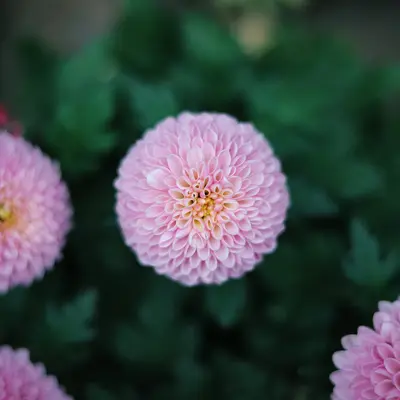
2 1/2-3 1/2" double blooms of excellent quality. Plants are highly uniform and have been consistently healthy and sturdy in our trials. Compared to the Tower series, Soufflé Light Pink blooms earlier and has similar peony-style flowers.
Harvest
105-115d
Days to harvest
Sun
Full sun to partial shade
Zones
2–11
USDA hardiness
Height
1-3 feet
Planting Timeline
Showing dates for Soufflé Light Pink in USDA Zone 7
All Zone 7 flower →Zone Map
Click a state to update dates
Soufflé Light Pink · Zones 2–11
Growing Details
Succession Planting
Soufflé Light Pink takes 105–115 days to flower, which makes tight succession tricky — but you can stagger two or three indoor sowings about 3 weeks apart, starting in early February and running through mid-March. Transplant the first batch in April once nights are above 45°F, and follow with the later sowings in early to mid-May. That spreads your bloom window by 4–6 weeks without pushing transplants into summer heat stress.
Don't try to extend past a June transplant in zone 7. Asters set buds on a mix of day-length and temperature cues, and plants put in the ground after mid-June often get hit by August heat before they size up and flower properly. Two solid sowings is usually enough for a CSA or farmers market cut-flower schedule.
Complete Growing Guide
2 1/2-3 1/2" double blooms of excellent quality. Plants are highly uniform and have been consistently healthy and sturdy in our trials. Compared to the Tower series, Soufflé Light Pink blooms earlier and has similar peony-style flowers. According to Johnny's Selected Seeds, Soufflé Light Pink is 105 - 115 days to maturity, annual, open pollinated. Notable features: Use for Cut Flowers and Bouquets.
Light: Full sun (6 or more hours of direct sunlight a day), Partial Shade (Direct sunlight only part of the day, 2-6 hours). Soil: Clay, High Organic Matter, Loam (Silt), Sand. Soil pH: Acid (<6.0), Neutral (6.0-8.0). Drainage: Good Drainage, Moist. Height: 1 ft. 0 in. - 3 ft. 0 in.. Spread: 1 ft. 0 in. - 1 ft. 6 in.. Spacing: Less than 12 inches. Growth rate: Rapid. Maintenance: Medium. Regions: Coastal, Mountains, Piedmont.
Harvesting
Soufflé Light Pink reaches harvest at 105 - 115 days from sowing per Johnny's Selected Seeds. Expect 2 1/2-3 1/2" at peak. As an annual, harvest continues until frost ends the season.
The fruit is a rough-textured, glandular, purple-mottled cypsela that turns gray with age.
Storage & Preservation
For fresh storage, keep cut Soufflé Light Pink blooms in a cool environment at 65-72°F with 80-85% humidity—refrigerate for longest vase life (7-10 days). Remove lower leaves, change water every 2-3 days, and add floral preservative. For preservation, try air-drying by hanging in bundles in a dark, well-ventilated space (2-3 weeks); pressing between parchment paper for flattened specimens; or silica gel drying for 5-7 days to retain color and form. Each method preserves the delicate peony-style blooms for crafts or arrangements.
History & Origin
Soufflé Light Pink is open-pollinated, meaning seed saved from healthy plants will produce true-to-type offspring. Listed in the Johnny's Selected Seeds catalog.
Origin: China and Southern Russia
Advantages
- +Excellent double bloom quality with large 2.5-3.5 inch peony-style flowers
- +Highly uniform plants ensure consistent garden appearance and performance
- +Earlier blooming than Tower series saves weeks of waiting time
- +Consistently healthy and sturdy in trials with reliable disease resistance
- +Easy difficulty level makes it suitable for beginner gardeners
Considerations
- -Long 105-115 day maturity requires patience for cut flower production
- -Light pink color may fade or appear washed out in intense heat
- -Requires well-draining soil to prevent root rot in wet conditions
Companion Plants
Marigolds (Tagetes patula) and alyssum are the two worth prioritizing near Soufflé Light Pink — marigolds push back aphids and thrips through scent compounds in their foliage, while alyssum pulls in parasitic wasps and hoverflies that work through the soft-bodied pest population on their own. In our zone 7 Georgia garden, both go in the ground around the same April window as your asters, so there's no extra trip out. Nasturtiums are useful as a sacrificial trap crop, drawing aphids away from your asters before they become a problem on the flowers you're actually cutting. Give black walnut (Juglans nigra) a wide berth — its roots release juglone through the soil, and Callistephus is sensitive enough that even planting 30–40 feet downhill from an established tree can cause stunting and dieback that looks like a watering problem until you rule everything else out.
Plant Together
Alyssum
Attracts beneficial insects and provides ground cover protection
Marigolds
Repels nematodes and aphids while providing complementary orange colors
Lavender
Deters pests with fragrance and attracts pollinators
Nasturtiums
Acts as trap crop for aphids and adds vibrant color contrast
Catmint
Repels ants and aphids while attracting beneficial pollinators
Cosmos
Attracts beneficial insects and provides height variation
Zinnia
Attracts butterflies and beneficial predatory insects
Dusty Miller
Provides silvery foliage contrast and deer resistance
Keep Apart
Black Walnut
Produces juglone which is toxic to many flowering plants
Eucalyptus
Allelopathic oils inhibit growth of nearby plants
Sunflowers
Allelopathic compounds suppress growth of smaller flowering plants
Troubleshooting Soufflé Light Pink
What you'll see, why it happens, and what to do about it.
Seedlings collapse at the soil line, usually within the first 2 weeks after germination
Likely Causes
- Damping off (Pythium or Rhizoctonia spp.) — fungal rot triggered by overwatering and poor air circulation
- Starting mix that stays too wet between waterings
What to Do
- 1.Water from the bottom and let the top inch of mix dry slightly between waterings
- 2.Run a small fan near your seed trays for 30–60 minutes a day to move air across the surface
- 3.If it happens again, drench surviving seedlings with a dilute hydrogen peroxide solution (1 part 3% H2O2 to 9 parts water) and repot into fresh, sterile mix
Flower buds present but plants sit at 6–8 inches with no extension, even 90+ days after transplant
Likely Causes
- Aster yellows — a phytoplasma spread by the aster leafhopper (Macrosteles quadrilineatus), which distorts and stunts growth
- Transplanting too early into cold soil below 55°F, which slows root establishment and delays stem elongation
What to Do
- 1.Pull and bag any plant showing yellowing, distorted, or 'witches'-broom' growth — aster yellows has no cure and leafhoppers will spread it to healthy plants
- 2.Check transplant dates: in zone 7, wait until nighttime lows are reliably above 45°F before setting out
- 3.Reduce leafhopper pressure by installing floating row cover for the first 3–4 weeks after transplant, removing it once plants are established
Powdery white coating on leaves and stems, especially on lower and interior foliage in late summer
Likely Causes
- Powdery mildew (Erysiphe cichoracearum) — thrives in warm days, cool nights, and low airflow; common late in the season
- Overcrowded planting that blocks light and air from reaching inner stems
What to Do
- 1.Strip affected leaves and dispose of them in the trash, not the compost pile
- 2.Spray foliage with a dilute baking soda solution (1 tablespoon per gallon of water with a few drops of dish soap) every 7–10 days as a preventive or early-stage treatment
- 3.Space plants at least 12 inches apart at transplant time — tight rows look tidy in May but invite this problem by August
Frequently Asked Questions
How long do Soufflé Light Pink flowers last in a vase?▼
Is Soufflé Light Pink a good flower for beginners?▼
Can you grow Soufflé Light Pink in containers?▼
When should I plant Soufflé Light Pink flowers?▼
How does Soufflé Light Pink compare to the Tower series?▼
What light conditions does Soufflé Light Pink need?▼
Zone-by-Zone Planting Calendar
| Zone | Indoor Start | Transplant | Direct Sow | Harvest |
|---|---|---|---|---|
| Zone 1 | May – June | July – August | July – September | — |
| Zone 2 | April – May | June – July | June – August | — |
| Zone 11 | January – January | January – February | January – March | — |
| Zone 12 | January – January | January – February | January – March | — |
| Zone 13 | January – January | January – February | January – March | — |
| Zone 3 | April – May | June – July | June – August | — |
| Zone 4 | March – April | June – June | June – July | — |
| Zone 5 | March – April | May – June | May – July | — |
| Zone 6 | March – April | May – June | May – July | — |
| Zone 7 | February – March | April – May | April – June | — |
| Zone 8 | February – March | April – May | April – June | — |
| Zone 9 | January – February | March – April | March – May | — |
| Zone 10 | January – January | February – March | February – April | — |
Growing Guides from Wind River Greens
Sources & References
External authority sources used in compiling this guide.
- BreederJohnny's Selected Seeds
See the Methodology page for how this data is sourced, what's AI-assisted, and known limitations.