Apple Mint
Antirrhinum majus
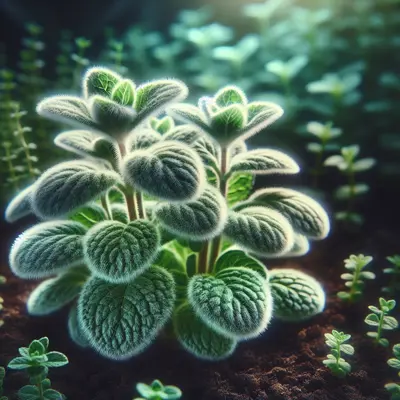
Apple Mint is a hybrid mint variety prized for its distinctive sweet, mild flavor combined with a crisp apple fragrance and taste. This herbaceous perennial reaches maturity in approximately 120 days and produces tender green leaves ideal for fresh use in beverages, desserts, and culinary applications. Unlike common spearmint or peppermint, Apple Mint's unique apple-forward profile makes it a standout choice for tea blends and fruit-infused dishes. It thrives in rich, moist, well-drained soil under full sun to partial shade, making it relatively easy to cultivate.
Harvest
120d
Days to harvest
Sun
Full sun to partial shade
Zones
7–10
USDA hardiness
Height
0-3 feet
Planting Timeline
Showing dates for Apple Mint in USDA Zone 7
All Zone 7 herb →Zone Map
Click a state to update dates
Apple Mint · Zones 7–10
Growing Details
Succession Planting
Apple mint is a perennial in zones 7–10, so succession planting doesn't apply — once it's established it comes back on its own and you'll spend more energy managing its spread than filling gaps. NC State Extension recommends transplanting mints rather than direct seeding to ensure you get the right plant and see productive growth in the first year; set transplants out between April and June and they'll be harvestable by June, continuing through November.
Complete Growing Guide
Light: Full sun (6 or more hours of direct sunlight a day), Partial Shade (Direct sunlight only part of the day, 2-6 hours). Soil: High Organic Matter. Drainage: Good Drainage. Height: 0 ft. 6 in. - 3 ft. 0 in.. Spread: 0 ft. 6 in. - 0 ft. 10 in.. Spacing: Less than 12 inches. Growth rate: Medium. Maintenance: Medium.
Harvesting
A capsule, half hidden by calyx lobes, short-beaked.
Type: Capsule. Length: 1-3 inches.
Storage & Preservation
Fresh apple mint leaves stay crisp for 7-10 days when stored properly. Wrap clean, dry stems in slightly damp paper towels and place in perforated plastic bags in the refrigerator. Alternatively, treat cut stems like flowers – place in a glass of water, cover loosely with plastic, and refrigerate.
For long-term preservation, drying works exceptionally well with apple mint's fuzzy leaves. Bundle 6-8 stems together and hang in a warm, dry, dark location with good air circulation. Leaves are properly dried when they crumble easily, typically 1-2 weeks. Store dried leaves whole in airtight containers away from light to preserve essential oils.
Freezing is perfect for teas and cooking – wash and dry leaves thoroughly, then freeze in ice cube trays with water or spread on baking sheets before transferring to freezer bags. Apple mint also makes excellent herbal vinegar when fresh leaves are steeped in white wine vinegar for 2-3 weeks.
History & Origin
Origin: Southwestern Europe
Advantages
- +Attracts: Butterflies, Hummingbirds
Companion Plants
Tomatoes and brassicas like cabbage and broccoli are the most practical neighbors — mint's volatile oils confuse pests that hunt by scent, and NC State Extension's interplanting guidance supports the broader point that mixing plant families breaks up large single-crop blocks and slows pest spread. Marigolds pull similar duty and draw in predatory insects that keep aphid pressure manageable. Parsley and chamomile are worth keeping at a distance; both compete hard for the same consistent moisture apple mint needs, and chamomile can suppress neighboring herb growth through allelopathic compounds. Strawberries share a shallow root zone and carry overlapping fungal disease risk, so putting them next to mint just doubles the exposure without any upside.
Plant Together
Tomatoes
Apple mint repels ants, rodents, and flea beetles that commonly attack tomato plants
Cabbage
Mint deters cabbage moths, aphids, and flea beetles while improving soil health
Broccoli
Apple mint repels cabbage worms and aphids that damage brassica crops
Carrots
Mint helps deter carrot rust flies and improves overall garden biodiversity
Lettuce
Provides natural pest control against slugs and aphids without competing for nutrients
Radishes
Mint repels flea beetles and root maggots that commonly attack radish crops
Peas
Apple mint deters aphids and mice while peas fix nitrogen in soil
Marigolds
Both plants repel harmful insects and create a strong natural pest barrier
Keep Apart
Parsley
Mint's aggressive spreading habit can overwhelm and shade out parsley plants
Chamomile
Apple mint's vigorous growth and spreading roots compete heavily with delicate chamomile
Strawberries
Mint's invasive root system can overtake strawberry beds and reduce fruit production
Nutrition Facts
Per 100g serving. % Daily Value based on 2,000 calorie diet. Source: USDA FoodData Central (FDC #173474)
Pests & Disease Resistance
Resistance
Generally disease resistant, prone to rust in humid conditions
Common Pests
Aphids, flea beetles, mint root borer
Diseases
Mint rust, powdery mildew in poor air circulation
Troubleshooting Apple Mint
What you'll see, why it happens, and what to do about it.
Orange or yellow powdery pustules on leaf undersides, leaves twisting and dropping
Likely Causes
- Mint rust (Puccinia menthae) — a fungal pathogen that spreads fast in humid, poorly ventilated conditions
- Crowded spacing that traps moisture against foliage
What to Do
- 1.Pull and bag affected stems immediately — don't compost them
- 2.Thin plants to the recommended 18–24 inch spacing and remove any crossing branches to open up airflow
- 3.Water at the base, not overhead, and do it in the morning so foliage dries before evening
White chalky coating on upper leaf surfaces, most visible in late summer
Likely Causes
- Powdery mildew — multiple fungal species, worsened by poor air circulation and inconsistent watering
- Plants sited in too much shade, which NC State Extension IPM notes makes sun-loving plants weak and more susceptible to disease
What to Do
- 1.Cut affected stems back hard — apple mint regrows quickly and a hard cut does less damage than letting mildew run
- 2.Rearrange or thin surrounding plantings to hit the 4–6 hour minimum sun threshold and open up airflow
- 3.Apply dilute neem oil (follow label rates) on a dry, overcast morning before temperatures climb
Clusters of small soft-bodied insects on new growth tips, leaves curling downward
Likely Causes
- Aphids — they target tender new growth first, especially on plants pushed with excess nitrogen
- Overfertilizing, which NC State Extension IPM specifically flags as producing lush soft growth that insects attack more easily
What to Do
- 1.Knock them off with a firm spray of water from a hose — repeat every 2–3 days until populations drop
- 2.For heavy infestations, apply insecticidal soap directly to the colonies; NC State Extension recommends this as a safe option for culinary herbs where conventional pesticides aren't labeled
- 3.Ease off nitrogen fertilizer and let the plant put on harder, slower growth
Frequently Asked Questions
How long does apple mint take to grow from cuttings?▼
Can you grow apple mint in containers?▼
What does apple mint taste like compared to regular mint?▼
Is apple mint invasive like other mints?▼
When should I plant apple mint cuttings?▼
Apple mint vs spearmint - what's the difference?▼
Zone-by-Zone Planting Calendar
Growing Guides from Wind River Greens
Sources & References
External authority sources used in compiling this guide.
- ExtensionNC State Extension
- USDAUSDA FoodData Central
See the Methodology page for how this data is sourced, what's AI-assisted, and known limitations.