Durango Tangerine
Tagetes patula
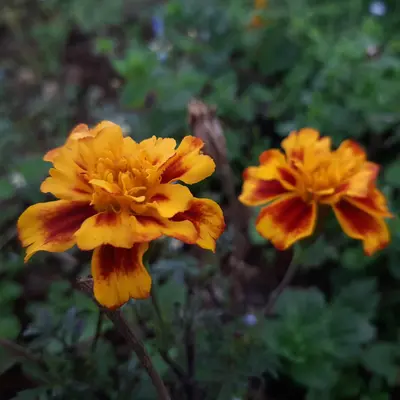
Highly branching, uniform, robust plants. A great choice for garden beds and pots for its compact habit. Abundant 2-2 1/2" bright orange blooms. A classic addition to any garden. Attracts beneficial insects such as hoverflies. Also known as French marigold. Edible Flowers: Use the flowers to dress up salads and desserts or cooked in egg or rice dishes. Flavor is floral with hints of citrus and spice, and slightly bitter. Remove the petals from the flower base before consuming as the base can be quite bitter.
Harvest
50d
Days to harvest
Sun
Full sun to partial shade
Zones
1–11
USDA hardiness
Height
6-12 inches
Planting Timeline
Showing dates for Durango Tangerine in USDA Zone 7
All Zone 7 flower →Zone Map
Click a state to update dates
Durango Tangerine · Zones 1–11
Growing Details
Succession Planting
Durango Tangerine blooms for months once it's going, so you don't need to stagger plantings the way you would with lettuce or radishes. Start one round indoors in February–March, transplant out in April after your last frost (around April 15 in zone 7), then direct sow a second round in May if you want fresh plants coming in mid-summer as your first flush starts to look tired. That's really all the succession this variety calls for.
Deadhead spent blooms every 7–10 days and the plants keep flowering through October without a second planting. Skip deadheading entirely and flowering slows noticeably by late August — the plant shifts energy toward seed set instead.
Complete Growing Guide
Highly branching, uniform, robust plants. A great choice for garden beds and pots for its compact habit. Abundant 2-2 1/2" bright orange blooms. A classic addition to any garden. Attracts beneficial insects such as hoverflies. Also known as French marigold. Edible Flowers: Use the flowers to dress up salads and desserts or cooked in egg or rice dishes. Flavor is floral with hints of citrus and spice, and slightly bitter. Remove the petals from the flower base before consuming as the base can be quite bitter. According to Johnny's Selected Seeds, Durango Tangerine is 50 days to maturity, annual, open pollinated. Notable features: Grows Well in Containers, Edible Flowers.
Light: Full sun (6 or more hours of direct sunlight a day), Partial Shade (Direct sunlight only part of the day, 2-6 hours). Soil: Clay, Loam (Silt), Sand. Soil pH: Acid (<6.0), Neutral (6.0-8.0). Drainage: Good Drainage, Occasionally Dry. Height: 0 ft. 6 in. - 1 ft. 0 in.. Spread: 0 ft. 6 in. - 1 ft. 6 in.. Spacing: Less than 12 inches. Growth rate: Medium. Maintenance: Low. Regions: Coastal, Mountains, Piedmont.
Harvesting
Durango Tangerine reaches harvest at 50 days from sowing per Johnny's Selected Seeds. Expect 2-2 1/2" at peak. As an annual, harvest continues until frost ends the season.
Edibility: Flowers are used to make refreshing drinks and the leaves are used for flavoring.
Storage & Preservation
Fresh harvested Durango Tangerine flowers are best used immediately but will keep refrigerated in a sealed container for 2–3 days on a damp paper towel. Store away from ethylene-producing fruits like apples. For extended preservation, dry flowers by hanging stems upside-down in a warm, dark, well-ventilated space for 1–2 weeks until petals are crisp and papery; store dried petals in an airtight glass jar away from light for up to 6 months, using them to garnish soups, rice, or as herbal tea. Alternatively, freeze petals in ice cube trays with water or light syrup for cocktail garnishes; frozen petals keep 2–3 months. Some gardeners infuse fresh or dried petals into vinegars or honey for culinary applications with a shelf life of several months. Edible flowers should never be treated with pesticides; if using flowers from your own garden, ensure no chemical inputs have been applied.
History & Origin
Durango Tangerine is open-pollinated, meaning seed saved from healthy plants will produce true-to-type offspring. Listed in the Johnny's Selected Seeds catalog.
Origin: Mexico, Guatamala
Advantages
- +Highly branching growth creates full, uniform plants perfect for visual impact
- +Compact habit makes it ideal for containers and small garden spaces
- +Abundant bright orange 2-2.5 inch blooms provide continuous color all season
- +Edible petals with floral citrus-spice flavor add culinary and garnish versatility
- +Attracts beneficial hoverflies and insects that support garden pollination and pest control
Considerations
- -Petals require careful removal from bitter base before consuming in dishes
- -Quick 50-day maturity may result in shorter overall blooming window in cool climates
- -Bright orange color may clash with certain garden color schemes and palettes
- -Like most marigolds, susceptible to spider mites and powdery mildew in humid conditions
Companion Plants
Durango Tangerine earns its spot near the vegetable beds. The roots of Tagetes patula release alpha-terthienyl, a compound that's toxic to root-knot nematodes — so a 12-inch border around your tomatoes or peppers is doing real work underground, not just looking tidy. Pair it with alyssum, which draws predatory hoverflies and parasitic wasps that knock back aphid and whitefly populations before those pests get established. Nasturtiums planted nearby act as a trap crop, pulling aphids off both the marigolds and your vegetables — they're sacrificial, and that's the point.
Black walnut and eucalyptus are the ones to avoid. Walnut roots push juglone into the surrounding soil and eucalyptus leaves release cineole as they break down; both compounds will stunt or kill most annuals within a few feet of contact. Sunflowers are a subtler problem — in our zone 7 Georgia summers, where August soil temps routinely crack 90°F, they pull water aggressively and their root exudates have shown mild suppressive effects on nearby annuals in close-quarter plantings.
Plant Together
Alyssum
Attracts beneficial insects like hoverflies and parasitic wasps that control aphids
Marigolds
Repel nematodes and aphids while attracting beneficial predatory insects
Nasturtiums
Act as trap crops for aphids and cucumber beetles, drawing pests away from marigolds
Petunias
Repel aphids, tomato hornworms, and squash bugs with natural compounds
Zinnias
Attract ladybugs, lacewings, and other beneficial predators that control harmful insects
Cosmos
Provide beneficial insect habitat and attract pollinators without competing for resources
Catnip
Repels mosquitoes, ants, and aphids more effectively than many commercial repellents
Lavender
Deters moths, fleas, and mosquitoes while attracting beneficial pollinators
Keep Apart
Black Walnut
Produces juglone toxin that inhibits growth and can kill sensitive flowering plants
Eucalyptus
Releases allelopathic compounds that suppress growth of nearby plants
Sunflowers
Produce allelopathic chemicals and compete aggressively for water and nutrients
Pests & Disease Resistance
Common Pests
Spider mites, aphids, whiteflies, thrips
Diseases
Powdery mildew, root rot (from overwatering), botrytis blight
Troubleshooting Durango Tangerine
What you'll see, why it happens, and what to do about it.
Fine webbing on leaf undersides, leaves looking dusty or stippled, plants declining fast in July–August heat
Likely Causes
- Two-spotted spider mite (Tetranychus urticae) — population explodes in hot, dry conditions above 85°F
- Dusty, unirrigated foliage that gives mites a perfect environment
What to Do
- 1.Blast the undersides of leaves hard with a hose — knocks mites off and they rarely climb back
- 2.Apply neem oil or insecticidal soap in the early morning, two applications 5–7 days apart
- 3.Keep plants watered consistently; stressed plants are far more vulnerable
White powdery coating on upper leaf surfaces, starting on older growth, usually after a stretch of humid nights
Likely Causes
- Powdery mildew (Podosphaera xanthii or Erysiphe cichoracearum) — spreads via airborne spores when humidity is high but leaf surfaces stay dry
- Overcrowding that cuts airflow between plants
What to Do
- 1.Space Durango Tangerine at least 12 inches apart — 18 is better if you're planting in a block
- 2.Remove affected leaves and dispose of them in the trash, not the compost pile
- 3.Spray with a diluted potassium bicarbonate solution or neem oil at first sign; don't wait until it spreads
Stems turning brown and mushy at the soil line, plant wilting even when the soil is wet
Likely Causes
- Root rot from Pythium or Phytophthora species — almost always triggered by waterlogged soil or poor drainage
- Planting in heavy clay without amendment
What to Do
- 1.Pull the plant — if the roots are brown and smell rotten, it won't recover; discard it
- 2.Let the bed dry out before replanting, and work in 2–3 inches of compost to break up compaction
- 3.Water deeply but infrequently; once established around 3 weeks after transplant, Durango Tangerine handles short dry spells without complaint
Frequently Asked Questions
How long does Durango Tangerine marigold take to flower?▼
Can you grow Durango Tangerine marigold in pots?▼
Is Durango Tangerine marigold good for beginners?▼
What do Durango Tangerine flower petals taste like?▼
How often should you deadhead Durango Tangerine marigolds?▼
Do Durango Tangerine marigolds attract pollinators and beneficial insects?▼
Zone-by-Zone Planting Calendar
| Zone | Indoor Start | Transplant | Direct Sow | Harvest |
|---|---|---|---|---|
| Zone 1 | May – June | July – August | July – September | — |
| Zone 2 | April – May | June – July | June – August | — |
| Zone 11 | January – January | January – February | January – March | — |
| Zone 12 | January – January | January – February | January – March | — |
| Zone 13 | January – January | January – February | January – March | — |
| Zone 3 | April – May | June – July | June – August | — |
| Zone 4 | March – April | June – June | June – July | — |
| Zone 5 | March – April | May – June | May – July | — |
| Zone 6 | March – April | May – June | May – July | — |
| Zone 7 | February – March | April – May | April – June | — |
| Zone 8 | February – March | April – May | April – June | — |
| Zone 9 | January – February | March – April | March – May | — |
| Zone 10 | January – January | February – March | February – April | — |
Growing Guides from Wind River Greens
Sources & References
External authority sources used in compiling this guide.
- BreederJohnny's Selected Seeds
See the Methodology page for how this data is sourced, what's AI-assisted, and known limitations.