Florist Blue Boy
Centaurea cyanus
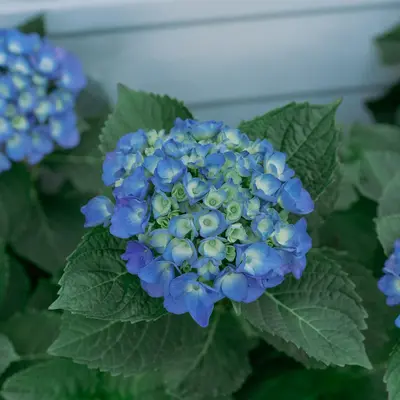
Florist Blue Boy is a charming heirloom flower variety prized for its striking deep blue blooms and ornamental appeal. The plants mature in 65-75 days, producing abundant flowers ideal for fresh arrangements and garden display. This easy-to-grow variety thrives in full sun to partial shade with well-drained, adaptable soil. Its defining characteristic is its rich blue coloring, which makes it a standout in bouquets and floral designs. While possessing a bland, mildly floral taste, it is best suited for decorative culinary applications rather than flavor-forward dishes.
Harvest
65-75d
Days to harvest
Sun
Full sun to partial shade
Zones
2–11
USDA hardiness
Height
1-3 feet
Planting Timeline
Showing dates for Florist Blue Boy in USDA Zone 7
All Zone 7 flower →Zone Map
Click a state to update dates
Florist Blue Boy · Zones 2–11
Growing Details
Succession Planting
Direct sow every 14-21 days starting April 1 in zone 7, and keep going through early June. Blue Boy bolts and declines fast once daytime highs are consistently above 85°F, so anything sown after mid-June is a gamble — you'll get some bloom, but the window shrinks fast. For a fall flush, sow again in late August to early September; the plants will establish in the cooling weather and put out flowers before first frost.
If you started with an indoor sow in February or March, don't hold transplants too long — bachelor's buttons don't love being rootbound, and they move best when small, ideally under 3 inches tall. Deadhead consistently once blooming starts; plants allowed to set seed shut down noticeably faster than ones kept cut.
Complete Growing Guide
Upright plants produce abundant double and semidouble 1-1 1/2" blooms. Prefers cool temperatures. Also known as cornflower, garden cornflower, and bachelor's buttons. Edible Flowers: Use the petals of this great edible flower for decorating desserts. Centaurea is also a popular choice for brightening up salad mix. Flavor is bland and mildly floral. According to Johnny's Selected Seeds, Florist Blue Boy is 65 - 75 days to maturity, annual, open pollinated. Notable features: Heirloom, Use for Cut Flowers and Bouquets, Edible Flowers, Attracts Beneficial Insects.
Light: Full sun (6 or more hours of direct sunlight a day), Partial Shade (Direct sunlight only part of the day, 2-6 hours). Soil: Clay, High Organic Matter, Loam (Silt). Soil pH: Acid (<6.0), Alkaline (>8.0), Neutral (6.0-8.0). Drainage: Good Drainage, Moist. Height: 1 ft. 0 in. - 3 ft. 0 in.. Spread: 1 ft. 0 in. - 2 ft. 0 in.. Spacing: Less than 12 inches. Growth rate: Medium. Maintenance: High. Propagation: Seed.
Harvesting
Florist Blue Boy reaches harvest at 65 - 75 days from sowing per Johnny's Selected Seeds. Expect 1-1 1/2" at peak. As an annual, harvest continues until frost ends the season.
Finely hairy, straw-colored at maturity with a tuft of short, stiff, light brown bristles at the tip.
Color: Cream/Tan. Type: Achene. Length: < 1 inch. Width: < 1 inch.
Harvest time: Fall
Edibility: Edible
Storage & Preservation
For fresh cornflowers, store petals in an airtight container in the refrigerator at 35-40°F with moderate humidity for 3-5 days. For longer-term preservation, air-dry petals in a cool, dark, well-ventilated space (they dry within 2-3 weeks), then store in sealed containers away from light. Alternatively, freeze petals in ice cube trays with water for use in beverages and desserts, keeping them for up to 3 months. Crystallize petals with egg white and sugar for decorative storage lasting several weeks.
History & Origin
Florist Blue Boy is open-pollinated, meaning seed saved from healthy plants will produce true-to-type offspring. Listed in the Johnny's Selected Seeds catalog.
Origin: Western Asia, Europe
Advantages
- +Produces abundant double and semidouble blooms for continuous color
- +Quick maturity at 65-75 days makes succession planting practical
- +Edible petals add elegant decoration to desserts and salads
- +Easy to grow with minimal care requirements for beginners
- +Upright growth habit requires less staking than sprawling varieties
Considerations
- -Prefers cool temperatures; may struggle in hot climates
- -Bland, mildly floral flavor limits culinary appeal for some
- -Susceptible to powdery mildew in humid conditions
- -Tends to bolt quickly once temperatures consistently rise
Companion Plants
Marigolds and Sweet Alyssum are the two companions worth planting right alongside Blue Boy. Tagetes patula releases thiophenes from its roots, which suppress root-knot nematodes — useful if you're rotating this bed through vegetables the following season. Sweet Alyssum draws in parasitic wasps and hoverflies that feed on aphids. Bachelor's buttons already pull some beneficials on their own, so pairing them with Alyssum stacks that effect without any extra work. Nasturtiums are worth tucking in nearby too: aphids tend to pile onto nasturtium foliage before they bother much else, and the low sprawling growth fills gaps without putting any real root pressure on the centaurea.
Lavender and Catmint work well as border plants — both carry scent compounds that deter aphids and Japanese beetles, and neither one is going to compete for water since all three sit on the drought-tolerant end of the spectrum once established.
Black Walnut is the companion to avoid most seriously. Walnut roots and decomposing leaf litter leach juglone into the surrounding soil, and the affected zone can extend 50-60 feet from the trunk — wide enough that you may not even realize the tree is the problem. Eucalyptus causes similar issues through allelopathic compounds in its leaf litter. Sunflowers are less severe but still produce allelochemicals that slow nearby plants, and their roots pull water hard — which matters for a cool-season annual like Blue Boy that's already racing the summer heat to finish blooming.
Plant Together
Marigolds
Repel aphids, whiteflies, and nematodes while attracting beneficial insects
Sweet Alyssum
Attracts beneficial predatory insects and provides ground cover
Nasturtiums
Act as trap crops for aphids and cucumber beetles while deterring whiteflies
Lavender
Repels moths, fleas, and mosquitoes while attracting pollinators
Zinnias
Attract beneficial insects and butterflies, complement blue flowers aesthetically
Cosmos
Attract beneficial insects and provide vertical interest without competing for nutrients
Catmint
Deters ants, aphids, and rodents while attracting beneficial pollinators
Petunias
Repel aphids, tomato hornworms, and squash bugs
Keep Apart
Black Walnut Trees
Release juglone toxin that inhibits growth of many flowering plants
Eucalyptus
Produces allelopathic compounds that suppress growth of nearby plants
Sunflowers
Can be allelopathic and compete aggressively for water and nutrients
Pests & Disease Resistance
Common Pests
Aphids, spider mites, Japanese beetles
Diseases
Powdery mildew, rust, root rot in poorly drained soil
Troubleshooting Florist Blue Boy
What you'll see, why it happens, and what to do about it.
White powdery coating on leaves and stems, usually showing up mid-season when nights cool down
Likely Causes
- Powdery mildew (Erysiphe cichoracearum) — a fungal disease that spreads by airspores, not water splash; thrives in warm days and cool, humid nights
- Crowded spacing under 12 inches that cuts airflow between plants
What to Do
- 1.Cut back and discard the worst-affected stems — don't compost them
- 2.Thin or stake plants so air can move through; 12-18 inches between plants is not optional with bachelor's buttons
- 3.Spray foliage with a diluted potassium bicarbonate solution (1 tablespoon per gallon of water) every 7 days until the flush slows
Leaves stippled with tiny pale dots, undersides dusty or faintly webbed, plants looking dull and washed out in hot dry spells
Likely Causes
- Spider mites (Tetranychus urticae) — populations spike fast when temperatures stay above 85°F and humidity drops
- Water stress that weakens the plant's defenses
What to Do
- 1.Blast the undersides of leaves with a strong stream of water from a hose — do it three mornings in a row
- 2.Water consistently at the base; stressed, dry plants get hit harder and recover slower
- 3.If the infestation is heavy, apply insecticidal soap to leaf undersides, covering thoroughly; repeat after 5-7 days
Plants wilting at the base, stem tissue near the soil line turning brown or mushy, not recovering after watering
Likely Causes
- Root rot from Pythium or Fusarium — almost always triggered by poorly drained soil or overwatering, not a random pathogen event
- Planting in low spots where water pools after rain
What to Do
- 1.Pull the affected plant — there's no saving it once the crown rots through
- 2.Amend the bed with coarse sand or perlite before replanting, and raise the bed 4-6 inches if drainage is genuinely bad
- 3.Direct sow or transplant into raised rows going forward; bachelor's buttons establish fine on minimal irrigation once they hit 6 inches tall, and overwatering is the faster way to lose them
Frequently Asked Questions
How long do fresh cornflower petals last after cutting?▼
Is Florist Blue Boy cornflower good for beginner gardeners?▼
Can you grow cornflowers in containers?▼
What does cornflower taste like and how do you use it in cooking?▼
When should I plant Florist Blue Boy cornflowers?▼
How do you dry cornflower petals for long-term storage?▼
Zone-by-Zone Planting Calendar
| Zone | Indoor Start | Transplant | Direct Sow | Harvest |
|---|---|---|---|---|
| Zone 3 | April – May | June – July | June – August | — |
| Zone 4 | March – April | June – June | June – July | — |
| Zone 5 | March – April | May – June | May – July | — |
| Zone 6 | March – April | May – June | May – July | — |
| Zone 7 | February – March | April – May | April – June | — |
| Zone 8 | February – March | April – May | April – June | — |
| Zone 9 | January – February | March – April | March – May | — |
| Zone 10 | January – January | February – March | February – April | — |
| Zone 1 | May – June | July – August | July – September | — |
| Zone 2 | April – May | June – July | June – August | — |
| Zone 11 | January – January | January – February | January – March | — |
| Zone 12 | January – January | January – February | January – March | — |
| Zone 13 | January – January | January – February | January – March | — |
Growing Guides from Wind River Greens
Sources & References
External authority sources used in compiling this guide.
- BreederJohnny's Selected Seeds
See the Methodology page for how this data is sourced, what's AI-assisted, and known limitations.