White Oak
Quercus alba
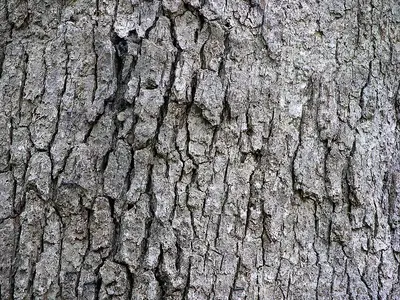
A majestic native American shade tree prized for its broad, rounded canopy and outstanding fall color. This long-lived oak produces sweet acorns that attract wildlife and develops distinctive light gray bark with shallow furrows. White Oak is considered one of the finest shade trees for large properties, combining exceptional beauty with incredible durability.
Sun
Full sun to partial shade
Zones
3–9
USDA hardiness
Height
50-135 feet
Planting Timeline
Showing dates for White Oak in USDA Zone 7
All Zone 7 shade-tree →Zone Map
Click a state to update dates
White Oak · Zones 3–9
Growing Details
Complete Growing Guide
Light: Full sun (6 or more hours of direct sunlight a day), Partial Shade (Direct sunlight only part of the day, 2-6 hours). Soil: Clay, Loam (Silt), Sand. Soil pH: Acid (<6.0). Drainage: Good Drainage, Moist, Occasionally Dry. Height: 50 ft. 0 in. - 135 ft. 0 in.. Spread: 50 ft. 0 in. - 80 ft. 0 in.. Spacing: more than 60 feet. Growth rate: Slow. Maintenance: Medium. Propagation: Seed. Regions: Coastal, Mountains, Piedmont.
Harvesting
The fruit is 3/4 to 1-inch-long acorns that are elongated and have a shallow cup that covers 1/4 to 1/3 of the nut. The cup appears lumpy, light tan, or gray with warty scales. Acorns mature the first year and can be numerous. They are initially green and then ripen to a light brown color. Nuts appear from September-November.
Color: Brown/Copper, Gray/Silver. Type: Nut. Length: < 1 inch. Width: < 1 inch.
Harvest time: Fall
Edibility: Acorns (nuts) are edible after tannins are leached or boiled out
Storage & Preservation
White Oak is a living tree and not harvested for storage. However, acorns produced by mature trees can be stored in cool, dry conditions (45-50°F, 40-50% humidity) for 2-3 months. For longer preservation, acorn leaching removes tannins for consumption: soak shelled acorns in cold water for 1-2 weeks, changing water daily until bitter taste disappears. Alternatively, dry cleaned acorns in a dehydrator at 130°F for 8-10 hours, then store in airtight containers. Refrigeration at 32-40°F can extend viability for stratification purposes before planting.
History & Origin
Origin: South East Canada to Central & Eastern U.S.A
Advantages
- +Attracts: Butterflies, Moths, Pollinators, Small Mammals, Songbirds
- +Edible: Acorns (nuts) are edible after tannins are leached or boiled out
Considerations
- -Toxic (Leaves, Seeds): Low severity
Companion Plants
The shade-tolerant understory plants — wild ginger, ferns, hostas, coral bells, and astilbe — work under a white oak for a straightforward reason: they're built for exactly what a mature tree produces. A white oak canopy can cut available light to 10–20% by midsummer, and its decomposing leaf litter gradually acidifies the soil toward the lower end of its 5.5–7.5 pH range. Azaleas and rhododendrons are right at home in that same acidic, well-drained duff. Wild columbine is a good edge planting — it handles part shade and pulls in native pollinators without putting pressure on water. None of these plants root at depths that would put them in real competition with a tree driving roots 4–6 feet down.
Black walnut deserves a wide berth — its roots produce juglone, a biochemical inhibitor that stunts or kills a broad range of plants, and white oak shows clear sensitivity. Grass lawns are a quieter problem: dense turf competes directly with surface feeder roots, and keeping it mowed right to the trunk means equipment nicking bark every two weeks, which opens entry points for pathogens like Bretziella fagacearum. Pine trees planted close by acidify the root zone further than white oak prefers and compete hard for moisture once dry spells arrive.
Plant Together
Wild Ginger
Thrives in oak's acidic leaf litter and provides excellent groundcover in shade
Azalea
Benefits from oak's acidic soil conditions and natural mulch from fallen leaves
Rhododendron
Shares preference for acidic soil created by decomposing oak leaves
Ferns
Flourish in the filtered shade and moist conditions under oak canopy
Hostas
Thrive in partial to full shade provided by mature oak trees
Coral Bells
Tolerates shade well and benefits from protection of oak canopy
Wild Columbine
Native woodland plant that naturally grows in oak forest understories
Astilbe
Prefers filtered shade and moist soil conditions found under oak trees
Keep Apart
Black Walnut
Produces juglone which is toxic to many plants, competes for similar growing space
Pine Trees
Creates overly acidic soil when combined with oak, can cause nutrient competition
Grass Lawn
Competes with oak's shallow feeder roots and requires different watering needs
Pests & Disease Resistance
Resistance
Good resistance to most oak diseases
Common Pests
Gypsy moths, oak borers, scale insects
Diseases
Oak wilt, anthracnose, powdery mildew
Troubleshooting White Oak
What you'll see, why it happens, and what to do about it.
Leaves wilting and browning rapidly, starting at branch tips and moving inward — often appearing mid-summer
Likely Causes
- Oak wilt (Bretziella fagacearum) — a vascular fungus spread by sap beetles and root grafts between nearby oaks
- Pruning wounds made during April–July, when sap beetles are most active
What to Do
- 1.Do not prune oaks between April and July — wait until dormancy in late fall or winter
- 2.If oak wilt is confirmed, have an arborist trench-sever root grafts between infected and healthy trees within 50 feet
- 3.Remove and destroy infected wood; do not store it as firewood near other oaks
Irregular brown or tan blotches on leaves in spring, often following the leaf veins; significant early leaf drop
Likely Causes
- Anthracnose (Discula quercina) — a fungal disease that thrives in cool, wet springs
- Dense canopy with poor airflow that keeps foliage wet for extended periods
What to Do
- 1.Rake and dispose of fallen leaves in autumn — don't compost them, as the fungus overwinters in leaf litter
- 2.Most established white oaks push out a second flush of leaves and recover fine; hold off on fungicide unless the tree is under 5 years old or defoliation hits three consecutive seasons
- 3.For young trees, apply a copper-based fungicide at bud break to reduce infection pressure in high-rainfall springs
Small bumps or waxy crusts on bark and twigs, sometimes with sticky honeydew dripping onto leaves below and a sooty black coating following
Likely Causes
- Scale insects (Kermes or Lecanium species) feeding on bark and stems
- Excess nitrogen pushing the soft new growth that scale colonies prefer
What to Do
- 1.For young trees, scrub accessible scale clusters off with a stiff brush and apply horticultural oil in late winter before bud break
- 2.Cut back on nitrogen fertilizer — fast, soft growth is what draws heavy infestations
- 3.On mature trees, light infestations are usually managed by parasitic wasps and lady beetles; step in only if more than 20–30% of small branches are encrusted
Leaves skeletonized or entirely consumed in late spring to early summer, sometimes defoliating whole limbs; masses of caterpillars visible on bark
Likely Causes
- Spongy moth (Lymantria dispar, formerly gypsy moth) — caterpillars hatch in May and feed heavily through June
- Cyclical population outbreaks, which tend to peak every 5–10 years in affected regions
What to Do
- 1.Apply Bacillus thuringiensis var. kurstaki (Bt-k) to foliage while caterpillars are still under 1 inch long — Bt-k loses effectiveness once they get larger
- 2.Wrap burlap bands around the trunk in late June to trap caterpillars seeking daytime shelter, then collect and destroy them daily
- 3.One defoliation rarely kills a healthy white oak; mortality risk climbs after two or three consecutive years, so check for egg masses the following March and act early
Frequently Asked Questions
How long does it take for a White Oak tree to reach full size and produce acorns?▼
Is White Oak a good tree for beginner gardeners?▼
Can White Oak be grown in containers?▼
When should I plant a White Oak tree?▼
What are the acorns of White Oak used for?▼
How does White Oak compare to Red Oak as a shade tree?▼
Zone-by-Zone Planting Calendar
Growing Guides from Wind River Greens
Sources & References
External authority sources used in compiling this guide.
- ExtensionNC State Extension
See the Methodology page for how this data is sourced, what's AI-assisted, and known limitations.