Potomac Red
Antirrhinum majus
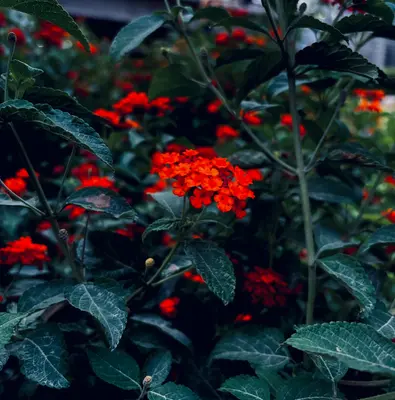
Deep wine-colored blooms for field or greenhouse production. Group 3-4: Warm season snapdragons are bred for optimal performance under long days, high light levels, and warm temperatures. Edible Flowers: The flowers are a colorful garnish for use in salads, desserts, and drinks. The flavor is floral and slightly bitter, so use sparingly.
Harvest
110-120d
Days to harvest
Sun
Full sun to partial shade
Zones
7–10
USDA hardiness
Height
0-3 feet
Planting Timeline
Showing dates for Potomac Red in USDA Zone 7
All Zone 7 flower →Zone Map
Click a state to update dates
Potomac Red · Zones 7–10
Growing Details
Succession Planting
Potomac Red runs 110–120 days from transplant to peak bloom, so timing your sowings matters. Start seeds indoors in February or early March (zone 7), transplant out in April once nights stay reliably above 40°F, and you'll hit full color in late June through July. Snapdragons stall out and stop setting new spikes once daytime highs push consistently past 85–90°F, so a second round started indoors in late June and moved outside in August will carry you through fall — often the better display anyway, since Georgia Septembers are long and the worst heat finally backs off.
Deadhead spent spikes every few days to keep the plants pushing new stems. If they go fully ragged in August, cut them back by a third, side-dress with a balanced granular fertilizer, and they'll often rebound for a fall flush without needing a second sowing at all.
Complete Growing Guide
Deep wine-colored blooms for field or greenhouse production. Group 3-4: Warm season snapdragons are bred for optimal performance under long days, high light levels, and warm temperatures. Edible Flowers: The flowers are a colorful garnish for use in salads, desserts, and drinks. The flavor is floral and slightly bitter, so use sparingly. According to Johnny's Selected Seeds, Potomac Red is 110 - 120 days to maturity, annual, hybrid (f1). Notable features: Easy Choice, Greenhouse Performer, Use for Cut Flowers and Bouquets, Edible Flowers, Fragrant.
Light: Full sun (6 or more hours of direct sunlight a day), Partial Shade (Direct sunlight only part of the day, 2-6 hours). Soil: High Organic Matter. Drainage: Good Drainage. Height: 0 ft. 6 in. - 3 ft. 0 in.. Spread: 0 ft. 6 in. - 0 ft. 10 in.. Spacing: Less than 12 inches. Growth rate: Medium. Maintenance: Medium.
Harvesting
Potomac Red reaches harvest at 110 - 120 days from sowing per Johnny's Selected Seeds. As an annual, harvest continues until frost ends the season.
A capsule, half hidden by calyx lobes, short-beaked.
Type: Capsule. Length: 1-3 inches.
Storage & Preservation
Fresh Potomac Red snapdragon flowers are best used immediately after harvest for maximum visual appeal and delicate flavor. Store fresh cut stems in a clean vase with cool water and floral preservative in a cool room away from direct sun; they'll last 7-10 days. Individual flower petals can be refrigerated on damp paper towels in an airtight container for up to 3 days. For preservation, air-drying is ideal for decorative use—hang stems upside down in a warm, dry, dark location for 1-2 weeks until completely dry. Dried flowers retain color well and store for months in a cool, dry place. Crystallizing is another option for edible flowers: brush petals with egg white, coat lightly with superfine sugar, and dry on parchment paper for 24-48 hours. Store crystallized flowers in an airtight container with parchment between layers for up to 2 months.
History & Origin
Potomac Red is an F1 hybrid developed through controlled cross-pollination. Listed in the Johnny's Selected Seeds catalog.
Origin: Southwestern Europe
Advantages
- +Deep wine color provides striking visual appeal in field arrangements
- +Reliable performance in warm season conditions with high light levels
- +Edible flowers offer unique culinary garnish applications for premium dishes
- +Moderate 110-120 day maturity allows reasonable production scheduling
- +Easy difficulty rating makes suitable for commercial and home growers
Considerations
- -Floral-bitter flavor requires cautious use to avoid overpowering dishes
- -Snapdragons susceptible to rust and powdery mildew in humid conditions
- -Dark coloring can make quality assessment difficult during growth stages
Companion Plants
Marigolds and alyssum do real work in a snapdragon bed. French marigold types like 'Bonanza' push out a scent that disrupts aphid landings, and they draw parasitic wasps that prey on the aphid colonies Potomac Red tends to collect on its soft new growth. Alyssum along the bed edge pulls in hoverflies — the adults feed on nectar, but their larvae are aphid predators. Catmint and lavender earn a spot for similar reasons: their volatile oils interfere with soft-bodied insects orienting toward the plants, and neither one will muscle out the snapdragons for water since their root systems stay shallower.
Black walnut is the one to avoid without exception. The juglone it leaches from roots and decomposing leaf litter suppresses a wide range of ornamentals — and here in the Georgia piedmont, black walnuts often grow along fence lines and property edges where you might not even realize the drip zone reaches your beds. Eucalyptus releases comparable allelopathic compounds. Give Potomac Red at least 60 feet of clearance from either one.
Plant Together
Marigolds
Repel nematodes, aphids, and other pests while attracting beneficial insects
Alyssum
Attracts beneficial insects like lacewings and hoverflies that control pests
Nasturtiums
Act as trap crops for aphids and cucumber beetles while repelling squash bugs
Lavender
Repels moths, fleas, and mosquitoes while attracting pollinators
Catmint
Deters ants, aphids, and rodents while attracting beneficial pollinators
Yarrow
Attracts predatory wasps and ladybugs that control harmful insects
Chives
Repel aphids and Japanese beetles with their strong sulfur compounds
Cosmos
Attract beneficial insects and provide structure without competing for nutrients
Keep Apart
Black Walnut
Produces juglone toxin that inhibits growth and can kill sensitive plants
Eucalyptus
Releases allelopathic compounds that suppress growth of nearby plants
Sunflowers
Release allelopathic chemicals and compete aggressively for water and nutrients
Pests & Disease Resistance
Common Pests
Aphids, spider mites
Diseases
Powdery mildew, rust
Troubleshooting Potomac Red
What you'll see, why it happens, and what to do about it.
White powdery coating on leaves and stems, usually appearing mid-summer as plants mature
Likely Causes
- Powdery mildew (Erysiphe cichoracearum) — thrives in warm days and cool nights with low airflow
- Crowded spacing under 12 inches that traps humidity around the foliage
What to Do
- 1.Cut out heavily affected stems at the base and bin them — don't compost
- 2.Spray remaining foliage with a diluted neem oil solution (2 tbsp per gallon) every 7 days
- 3.Next planting, hold to 12–18 inch spacing and site the bed where morning sun dries the leaves fast
Small orange or rust-colored pustules on the undersides of leaves, with yellowing on the top surface
Likely Causes
- Snapdragon rust (Puccinia antirrhini) — a fungal disease that spreads by wind and splashing water
- Overhead irrigation wetting foliage late in the day
What to Do
- 1.Pull and trash infected leaves at first sign — rust spreads fast once it's established
- 2.Switch to drip irrigation or water at the base early in the morning so leaves dry before evening
- 3.If pressure is heavy, apply a sulfur-based fungicide labeled for ornamentals on a 10-day schedule
Frequently Asked Questions
How long does Potomac Red snapdragon take to grow from seed to flower?▼
Can you grow Potomac Red snapdragons in containers or pots?▼
Is Potomac Red snapdragon good for beginners?▼
What does Potomac Red snapdragon taste like, and how do you use it as an edible flower?▼
When should I plant Potomac Red snapdragon seeds?▼
Do Potomac Red snapdragons need pinching or pruning?▼
Zone-by-Zone Planting Calendar
| Zone | Indoor Start | Transplant | Direct Sow | Harvest |
|---|---|---|---|---|
| Zone 1 | May – June | July – August | July – September | — |
| Zone 2 | April – May | June – July | June – August | — |
| Zone 11 | January – January | January – February | January – March | — |
| Zone 12 | January – January | January – February | January – March | — |
| Zone 13 | January – January | January – February | January – March | — |
| Zone 3 | April – May | June – July | June – August | — |
| Zone 4 | March – April | June – June | June – July | — |
| Zone 5 | March – April | May – June | May – July | — |
| Zone 6 | March – April | May – June | May – July | — |
| Zone 7 | February – March | April – May | April – June | — |
| Zone 8 | February – March | April – May | April – June | — |
| Zone 9 | January – February | March – April | March – May | — |
| Zone 10 | January – January | February – March | February – April | — |
Growing Guides from Wind River Greens
Sources & References
External authority sources used in compiling this guide.
- BreederJohnny's Selected Seeds
See the Methodology page for how this data is sourced, what's AI-assisted, and known limitations.