Mock Orange
Philadelphus coronarius
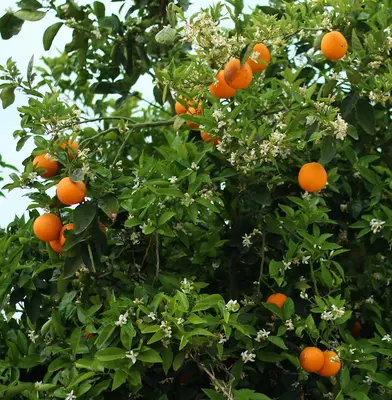
An old-fashioned favorite that perfumes the entire garden with intensely fragrant white flowers in late spring. This hardy, low-maintenance shrub produces masses of orange-blossom scented blooms that attract pollinators from far and wide. Perfect for creating a romantic, cottage garden atmosphere while requiring minimal care once established.
Sun
Full sun to partial shade
Zones
4–8
USDA hardiness
Height
10-12 feet
Planting Timeline
Showing dates for Mock Orange in USDA Zone 7
All Zone 7 shrub →Zone Map
Click a state to update dates
Mock Orange · Zones 4–8
Growing Details
Complete Growing Guide
Light: Full sun (6 or more hours of direct sunlight a day), Partial Shade (Direct sunlight only part of the day, 2-6 hours). Drainage: Good Drainage. Height: 10 ft. 0 in. - 12 ft. 0 in.. Spread: 8 ft. 0 in. - 10 ft. 0 in.. Spacing: 6-feet-12 feet. Maintenance: Low, Medium.
Harvesting
4 valved capsule
Type: Capsule.
Storage & Preservation
Mock Orange is a deciduous shrub, not a consumable requiring traditional storage. However, cut flowers can be stored in a cool location (65-70°F) in water to extend vase life for 7-10 days. Keep stems in a cool room away from direct sunlight and ripening fruit. For preservation, dry flower heads by hanging bundles upside-down in a dark, well-ventilated space for 2-3 weeks to create dried arrangements. Alternatively, press individual blooms between paper for floral crafts or herbals. Fresh branches can be brought indoors in water for cut arrangements that fill rooms with fragrance.
History & Origin
Origin: North EastTurkey to Caucasus
Advantages
- +Intensely fragrant white flowers perfume entire garden in late spring
- +Extremely hardy and low-maintenance once established in suitable location
- +Produces masses of blooms that attract pollinators and beneficial insects
- +Very disease resistant with only occasional leaf spot in humidity
- +Creates romantic cottage garden atmosphere with minimal ongoing care required
Considerations
- -Flowers bloom only briefly in late spring, limiting seasonal interest
- -Occasionally troubled by aphid infestations requiring monitoring or treatment
- -Prone to leaf spot disease during humid or wet growing conditions
- -Requires adequate space as mature shrubs grow quite large and sprawling
Companion Plants
Ferns and Hosta slot in nicely within 3–4 feet of Mock Orange's north side — they're content in the partial shade the shrub throws, and their low spreading habit covers bare ground without crowding the upper canopy. Lavender, Spirea, and Bee Balm share Mock Orange's preference for decent drainage and pull in the same pollinators during the late-spring bloom window, so the whole bed earns its keep at once. In our zone 7 Georgia garden, Roses overlap just enough in bloom timing to make a solid pairing. Black Walnut is the one to plant nowhere near it — juglone seeps from the roots across the entire drip line and will quietly stress most ornamental shrubs, Philadelphus included, before you figure out what's wrong.
Plant Together
Ferns
Flourish in the dappled shade beneath mock orange, add textural contrast
Lavender
Attracts beneficial insects while repelling pests, shares similar sun and drainage requirements
Spirea
Similar care requirements and blooming schedule creates extended flowering display
Hosta
Thrives in partial shade cast by mock orange, provides contrasting foliage texture
Astilbe
Benefits from light shade and complements mock orange's white flowers with colorful plumes
Clematis
Can climb through mock orange branches, extending bloom season with different flower forms
Roses
Mock orange's pest-repelling properties help protect roses from aphids and other insects
Bee Balm
Attracts pollinators that benefit mock orange, enjoys similar moisture conditions
Keep Apart
Black Walnut
Releases juglone toxin that inhibits growth and can kill mock orange
Maple Trees
Dense canopy and shallow roots compete heavily for water and nutrients
Eucalyptus
Allelopathic compounds in leaves and roots inhibit growth of nearby plants
Pests & Disease Resistance
Resistance
Excellent disease resistance
Common Pests
Aphids occasionally, generally pest-free
Diseases
Very disease resistant, occasional leaf spot in humid conditions
Troubleshooting Mock Orange
What you'll see, why it happens, and what to do about it.
Leaves covered in sticky residue with tiny pale-green clusters on new growth tips, often in spring
Likely Causes
- Aphid (likely Aphis spiraecola or a generalist species) infestation feeding on tender new shoots
- Flush of soft growth after pruning or heavy nitrogen application attracting colonies
What to Do
- 1.Blast the colonies off with a firm stream of water from a hose — do this 3 mornings in a row
- 2.If colonies persist, spray with insecticidal soap (follow label, typically 2–3% dilution) directly on the insects
- 3.Hold off on any high-nitrogen fertilizer once the plant leafs out; lush soft growth is aphid bait
Circular brown or tan spots on leaves, sometimes with a yellow halo, appearing in mid to late summer
Likely Causes
- Fungal leaf spot (Cercospora or Phyllosticta spp.) — common in humid conditions with poor airflow
- Overhead irrigation wetting foliage and keeping leaves damp for extended periods
What to Do
- 1.Remove and bin (don't compost) any heavily spotted leaves to slow spore spread
- 2.Switch to drip irrigation or water at the base only — wet foliage overnight is what drives this
- 3.If the shrub is crowded, prune out a few interior branches after bloom to open up airflow; aim for light to reach the center
Sparse or no bloom in spring despite a large, healthy-looking plant
Likely Causes
- Pruning at the wrong time — cutting stems in fall or late winter removes the flower buds, which set on second-year wood
- Too much shade (fewer than 4 hours of direct sun) suppressing flower production
- Over-fertilizing with nitrogen, which pushes vegetative growth at the expense of blooming
What to Do
- 1.Prune Mock Orange only in the 2–3 weeks immediately after it finishes blooming — never in fall or spring
- 2.If the plant is in deep shade, consider relocating it in fall to a spot with at least 4–6 hours of direct sun
- 3.Skip the fertilizer for a season; if you do feed, use a low-nitrogen formula (like a 5-10-10) to encourage blooms over leaves
Frequently Asked Questions
When should I plant Mock Orange shrubs?▼
Is Mock Orange good for beginner gardeners?▼
Can you grow Mock Orange in containers?▼
How long does Mock Orange take to bloom and establish?▼
How do I use Mock Orange flowers and fragrance?▼
What are the differences between Mock Orange and real orange blossom?▼
Zone-by-Zone Planting Calendar
Growing Guides from Wind River Greens
Sources & References
External authority sources used in compiling this guide.
- ExtensionNC State Extension
See the Methodology page for how this data is sourced, what's AI-assisted, and known limitations.