Great Lakes
Lactuca sativa 'Great Lakes'
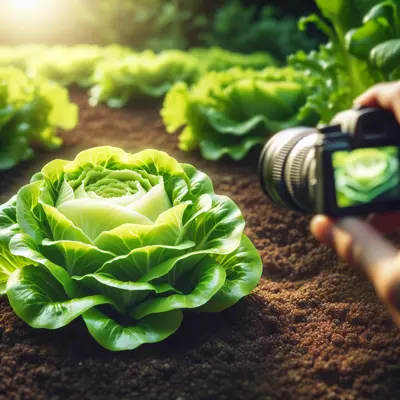
A classic crisphead lettuce that delivers the satisfying crunch of iceberg but with better heat tolerance and garden performance. This reliable variety forms dense, well-blanched heads with crisp, sweet leaves that stay fresh longer than most lettuce types. Perfect for gardeners who want that classic lettuce experience without the challenges of growing true iceberg varieties.
Harvest
85-90d
Days to harvest
Sun
Full sun to partial shade
Zones
2–11
USDA hardiness
Height
6-12 inches
Planting Timeline
Showing dates for Great Lakes in USDA Zone 7
All Zone 7 lettuce →Zone Map
Click a state to update dates
Great Lakes · Zones 2–11
Growing Details
Succession Planting
Great Lakes takes 85–90 days to head up, which is on the long end for lettuce — that matters a lot for timing. In zone 7, direct sow every 14–18 days starting around March 1, but make your last spring sowing no later than late April; once daytime highs are consistently above 80°F, Great Lakes bolts and turns bitter before forming a proper head. Don't try to push it through a Georgia summer. Pick back up with a fall run starting around August 20 — soil temps will still be warm enough to germinate seed in 7–10 days, and the plants size up well as temperatures drop through October into November.
Complete Growing Guide
Great Lakes lettuce thrives when started about four to six weeks before your last spring frost date, either indoors in seed trays or direct-sown outdoors once soil is workable. For spring crops in most regions, begin seeds indoors in early March, then transplant seedlings outdoors after the last frost when nighttime temperatures consistently stay above 40°F. This variety also performs well with successive sowings every two weeks through early summer for continuous harvests, though heat can slow germination once soil temperatures exceed 70°F. Fall crops should be seeded in mid to late summer, typically six to eight weeks before your first autumn frost, allowing Great Lakes plenty of cool weather to form its characteristically dense heads.
Space plants 10 to 12 inches apart in rows that are 12 to 18 inches apart, accommodating the variety's eventual width of 6 to 12 inches. Direct sow seeds ¼ inch deep and thin seedlings once they've sprouted their first true leaves. Prepare soil generously with compost or well-rotted manure to improve drainage and nutrient content, as Great Lakes demands rich soil to form those satisfyingly crisp, well-blanched heads the variety is known for. Aim for a pH between 6.0 and 7.0.
Water consistently and deeply, providing about one inch per week through rainfall or irrigation, keeping soil evenly moist but never waterlogged. Great Lakes is somewhat heat-sensitive despite its improved tolerance compared to true iceberg varieties, so mulch around plants to regulate soil temperature and retain moisture during warmer periods. Feed with a balanced, diluted fertilizer every two to three weeks once plants are established, or incorporate a slow-release fertilizer at planting time.
This variety's dense head structure makes it particularly vulnerable to lettuce drop, a fungal disease that causes sudden collapse of mature plants. Ensure excellent air circulation by spacing plants properly and removing lower leaves as the head develops. Bottom rot and tip burn also threaten Great Lakes, both linked to calcium deficiency and inconsistent watering; maintaining even soil moisture is critical. Watch closely for aphids, flea beetles, and slugs, which can seriously damage the tender leaves before heads fully form. Row covers during early growth stages provide excellent protection against flea beetles and other leaf-feeding insects.
The one mistake most gardeners make with Great Lakes is assuming it requires the same cool conditions as true iceberg varieties throughout the entire season. While Great Lakes tolerates warmth better than many crisphead types, temperatures above 75°F can still cause bolting and bitter flavors. In hot-summer regions, treat Great Lakes primarily as a spring and fall crop, focusing on cool-season timing rather than fighting summer heat. This simple adjustment to planting dates transforms Great Lakes from a frustrating variety into the reliable, dependable producer its reputation promises.
Harvesting
Harvest Great Lakes when heads feel firm and dense to gentle finger pressure, typically reaching 6 to 8 inches in diameter with tightly packed, pale green inner leaves visible at the crown. The outer leaves should display a vibrant medium green without yellowing or translucence. For peak crispness and sweetness, cut heads in early morning after dew dries but before afternoon heat sets in, using a sharp knife to slice just above the soil line. Great Lakes performs best with single-harvest removal of entire heads rather than continuous leaf picking, which can compromise the tight head formation this variety is bred to produce. Harvest promptly once heads firm up, as waiting beyond peak maturity causes the centers to bolt and become bitter, especially in warm weather.
Tiny seeds with a dandelion-like tuft (pappus) to aid in wind dispersal.
Color: Brown/Copper. Type: Achene. Length: < 1 inch. Width: < 1 inch.
Harvest time: Summer
Edibility: Leaves can be used raw or cooked in salads, sandwiches, and other dishes. Head lettuce can be stored for 2-3 weeks while leaf and butterhead store for 1-2 weeks.
Storage & Preservation
Store freshly harvested Great Lakes lettuce in the refrigerator crisper drawer wrapped in damp paper towels, then placed in a perforated plastic bag. Properly stored heads stay fresh and crisp for 1-2 weeks at 32-36°F with high humidity.
For longer storage, remove any damaged outer leaves, rinse the head briefly in cold water, and shake dry before wrapping. Never store near ethylene-producing fruits like apples or tomatoes, which cause rapid deterioration.
While lettuce doesn't preserve well through traditional methods, you can extend its usefulness by chopping and freezing it for cooked applications like soups and stir-fries. Dehydrating creates crispy lettuce chips when seasoned and dried at 135°F. The thick, crisp leaves also work well in fermented vegetables when combined with cabbage for sauerkraut-style preparations.
History & Origin
Developed by the University of Wisconsin in the 1960s, Great Lakes emerged from a deliberate breeding program aimed at creating an iceberg-type lettuce with superior heat tolerance and disease resistance for North American home gardens. The variety represents a significant improvement over traditional iceberg cultivars, which struggled with bolting and tip burn in warmer climates. Great Lakes was widely adopted by both commercial and home gardeners throughout the latter half of the twentieth century, becoming one of the most popular crisphead varieties in American seed catalogs. Its breeding lineage traces back to European iceberg stocks, selectively enhanced for performance in more challenging growing conditions.
Origin: Mediterranean to Siberia
Advantages
- +Forms dense, well-blanched heads with superior crunch compared to standard iceberg.
- +Excellent heat tolerance makes Great Lakes more reliable than true iceberg varieties.
- +Mild, sweet flavor with minimal bitterness appeals to most gardeners and families.
- +Leaves stay fresh and crisp significantly longer than typical loose-leaf lettuce types.
- +Moderate difficulty level makes it accessible for intermediate gardeners with basic skills.
Considerations
- -Susceptible to downy mildew and lettuce drop in humid or poorly ventilated conditions.
- -Requires 85-90 days to mature, making it slower than faster-growing lettuce varieties.
- -Prone to tip burn and bottom rot if soil moisture and calcium levels fluctuate.
- -Vulnerable to multiple pests including aphids, slugs, cutworms, and flea beetles simultaneously.
Companion Plants
Radishes and carrots are the most practical companions for Great Lakes — radishes germinate in 5–7 days and break up the soil surface crust, which disrupts the damp, compressed conditions slugs prefer around lettuce crowns, while carrots root 6–10 inches down and don't compete for the shallow moisture this variety needs. Chives and garlic at the bed edges push back on aphids through volatile sulfur compounds; that mechanism is genuinely useful in our zone 7 Georgia garden, where aphid pressure tends to spike hard in April before beneficial insect populations catch up. Skip broccoli entirely — brassicas pull calcium and nitrogen from the same top 6 inches of soil, and lettuce reliably loses that competition, often showing tip burn before the broccoli has even started to head.
Plant Together
Chives
Repels aphids and improves lettuce flavor while providing natural pest deterrent
Carrots
Deep roots don't compete with shallow lettuce roots, helps aerate soil
Radishes
Quick-growing companions that help break up soil and deter root maggots
Marigolds
Repel nematodes and aphids while attracting beneficial insects
Garlic
Natural fungicide properties help prevent lettuce diseases like downy mildew
Spinach
Similar growing requirements and helps maximize space in cool-season gardens
Dill
Attracts beneficial insects and may improve lettuce growth when young
Nasturtiums
Act as trap crops for aphids and cucumber beetles, protecting lettuce
Keep Apart
Broccoli
Heavy feeder that competes for nutrients and can shade lettuce excessively
Sunflowers
Allelopathic compounds inhibit lettuce germination and growth
Parsley
Can stunt lettuce growth when planted too closely due to root competition
Nutrition Facts
Per 100g serving. % Daily Value based on 2,000 calorie diet. Source: USDA FoodData Central (FDC #2346388)
Pests & Disease Resistance
Resistance
Good resistance to tip burn, moderate resistance to downy mildew
Common Pests
Aphids, slugs, cutworms, flea beetles
Diseases
Downy mildew, lettuce drop, bottom rot, tip burn
Troubleshooting Great Lakes
What you'll see, why it happens, and what to do about it.
Seedlings collapsing at the soil line within the first 1–2 weeks after transplanting or germination, sometimes with fuzzy white mold on the soil surface nearby
Likely Causes
- Damping off — a complex of soil-borne fungi (Pythium spp., Rhizoctonia solani) that thrive in cold, wet, poorly drained soil
- Replanting in the same bed without rotation — NC State's organic IPM case studies note that lettuce grown in the same raised bed three or more consecutive years accumulates pathogen load
What to Do
- 1.Pull and trash (don't compost) all collapsed seedlings immediately; leaving them in place spreads spores to whatever's still standing
- 2.Let the bed surface dry slightly between waterings — Pythium and Rhizoctonia both need consistently saturated soil to keep moving
- 3.Rotate lettuce out of that bed for at least one season; if you can't, replace the top 2–3 inches of soil with fresh compost before resowing
Older outer leaves showing water-soaked patches that turn yellow then brown, with a grayish-purple fuzzy growth on the undersides — plants still alive but declining
Likely Causes
- Downy mildew (Bremia lactucae) — favored by cool nights below 65°F and high humidity, which hits reliably during Georgia's spring and fall shoulder seasons
- Dense planting or overhead irrigation that keeps foliage wet for hours at a stretch
What to Do
- 1.Strip and bag affected leaves; do not compost them
- 2.Switch to drip irrigation or water at the base in the morning so leaves dry before nightfall
- 3.Space plants the full 12–15 inches apart — crowding is the easiest fix that meaningfully slows Bremia spread without buying anything
Frequently Asked Questions
How long does Great Lakes lettuce take to grow?▼
Can you grow Great Lakes lettuce in containers?▼
When should I plant Great Lakes lettuce?▼
Is Great Lakes lettuce good for beginners?▼
What does Great Lakes lettuce taste like?▼
Great Lakes vs Iceberg lettuce - what's the difference?▼
Zone-by-Zone Planting Calendar
| Zone | Indoor Start | Transplant | Direct Sow | Harvest |
|---|---|---|---|---|
| Zone 1 | — | — | June – July | August – September |
| Zone 2 | — | — | May – July | August – September |
| Zone 11 | — | — | January – February | March – December |
| Zone 12 | — | — | January – February | March – December |
| Zone 13 | — | — | January – February | March – December |
| Zone 3 | — | — | May – June | July – October |
| Zone 4 | — | — | April – June | July – October |
| Zone 5 | — | — | April – May | July – November |
| Zone 6 | — | — | April – May | June – November |
| Zone 7 | — | — | March – May | June – November |
| Zone 8 | — | — | March – April | May – December |
| Zone 9 | — | — | February – March | April – December |
| Zone 10 | — | — | January – March | April – December |
Growing Guides from Wind River Greens
Sources & References
External authority sources used in compiling this guide.
See the Methodology page for how this data is sourced, what's AI-assisted, and known limitations.