Dianthus Barbatus Sweet William
Dianthus barbatus
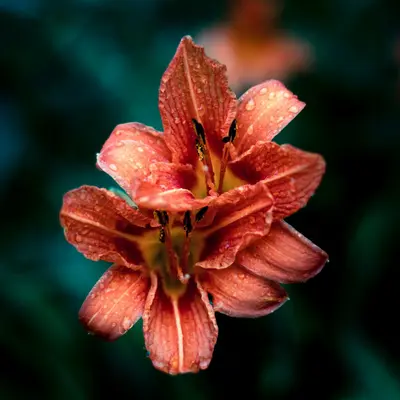
2-4" clusters of single-petaled, coral-pink blooms on long, strong stems. Compared to the Sweet™ series, blooms are wider, flatter, less globe-shaped, and have more of an umbel form. Plant vernalization is not required to initiate flowering. Fragrant blooms. Plants are high-yielding, producing long-lasting blooms, up to 14 days. Tender perennial in Zones 6-8. Raw, uncoated seed.
Harvest
100-105d
Days to harvest
Sun
Full sun to partial shade
Zones
3–9
USDA hardiness
Height
12-24 inches
Planting Timeline
Showing dates for Dianthus Barbatus Sweet William in USDA Zone 7
All Zone 7 flower →Zone Map
Click a state to update dates
Dianthus Barbatus Sweet William · Zones 3–9
Growing Details
Succession Planting
Sweet William is a biennial or short-lived tender perennial that blooms once per season — staggering plantings two weeks apart won't extend your cut-flower window the way it would with a salad green. What actually works is staggering by year: start one batch indoors in February–March to bloom the following spring, then sow a second batch in June so you've got young plants coming up behind the first without a gap season. In zones 3–6, plan on replacing them every two years; in zones 7–9, established clumps may overwinter and rebloom, but they thin out and get ragged after the second year and are worth pulling and resowing rather than nursing along.
Complete Growing Guide
Light: Full sun (6 or more hours of direct sunlight a day), Partial Shade (Direct sunlight only part of the day, 2-6 hours). Soil: High Organic Matter, Loam (Silt), Sand. Soil pH: Neutral (6.0-8.0). Drainage: Good Drainage, Moist. Height: 1 ft. 0 in. - 2 ft. 0 in.. Spread: 0 ft. 6 in. - 1 ft. 0 in.. Spacing: Less than 12 inches, 12 inches-3 feet. Growth rate: Medium. Maintenance: Medium. Propagation: Division, Seed. Regions: Coastal, Mountains, Piedmont.
Harvesting
The capsule is 1-celled, opening by 4 valves, the fruit is dry and splits open when ripe with numerous, shield-shaped blackish-brown seeds.
Color: Black, Brown/Copper. Type: Capsule. Length: < 1 inch. Width: < 1 inch.
Storage & Preservation
Fresh-cut Sweet William stems last 5-7 days in clean, cool water with floral preservative. Recut stems underwater every 2-3 days and change water completely. Store cut flowers in the refrigerator when not displayed to maximize longevity.
For dried arrangements, harvest flowers at peak bloom and hang small bundles upside down in a dark, well-ventilated space. The papery texture of the flower clusters makes Sweet William excellent for air-drying, retaining both color and form for 6-12 months.
Collect seeds for future plantings by allowing some flower heads to mature and dry on the plant until seed pods turn brown and papery. Store cleaned seeds in labeled envelopes in a cool, dry location—they remain viable for 3-4 years when properly stored.
History & Origin
Origin: European Mountains (Pyrenees, Carpathians, Balkans)
Advantages
- +Attracts: Bees, Butterflies, Hummingbirds, Moths, Songbirds
Considerations
- -Toxic (Leaves): Low severity
- -Causes contact dermatitis
Companion Plants
Lavender, catmint, and salvia are the strongest companions here — all three sit comfortably in the same 6.0–7.5 pH range, handle drier spells without wilting dramatically, and stay shallow enough that they don't undercut Dianthus at 6–12 inch spacing. Marigolds (Tagetes spp.) earn a spot nearby because their root secretions suppress soil nematodes, which can quietly stress a Dianthus planting before you notice anything above ground. Alyssum draws parasitic wasps that keep aphid pressure manageable. Black walnut and fennel are both chemical problems: walnut produces juglone that disrupts root function in sensitive plants, and fennel releases allelopathic compounds that stunt most garden neighbors — neither belongs within easy root reach of Dianthus.
Plant Together
Lavender
Repels aphids and other pests while attracting beneficial pollinators
Marigold
Deters nematodes and aphids while providing complementary colors
Alyssum
Attracts beneficial insects and provides ground cover to retain soil moisture
Catmint
Repels ants and aphids while creating attractive color contrasts
Rosemary
Deters carrot flies and cabbage moths that may damage nearby plants
Salvia
Attracts pollinators and beneficial predatory insects
Yarrow
Improves soil health and attracts beneficial insects for pest control
Pansies
Similar growing requirements and bloom times create attractive combinations
Keep Apart
Black Walnut
Produces juglone toxin that inhibits growth of many flowering plants
Eucalyptus
Releases allelopathic compounds that suppress growth of nearby plants
Fennel
Inhibits growth of most garden plants through allelopathic root secretions
Pests & Disease Resistance
Resistance
Generally disease resistant, prefers cool weather
Common Pests
Aphids, spider mites, thrips
Diseases
Crown rot, rust, fusarium wilt in hot, humid conditions
Troubleshooting Dianthus Barbatus Sweet William
What you'll see, why it happens, and what to do about it.
Stems rotting at soil level, plant collapses suddenly despite adequate watering
Likely Causes
- Crown rot (Phytophthora or Rhizoctonia spp.) — almost always triggered by waterlogged soil or mulch piled against the base
- Planting too deep at transplant, burying the crown
What to Do
- 1.Pull the plant — it's gone; dig out and discard surrounding soil a few inches down
- 2.Amend the bed with coarse sand or perlite before replanting to improve drainage
- 3.Keep mulch at least 2 inches away from the crown, and transplant so the crown sits right at soil level, not below it
Orange or rust-colored powdery pustules on the undersides of leaves, usually mid-season
Likely Causes
- Dianthus rust (Uromyces dianthi) — a fungal disease that spreads by wind and splashing water, worse in humid conditions above 60°F
What to Do
- 1.Strip and trash (don't compost) all affected leaves immediately
- 2.Thin plants to at least 9 inches apart and remove crowded interior foliage to open up airflow
- 3.Apply a sulfur-based fungicide on a 7-10 day schedule if the infection is spreading; stop once daytime temps consistently hit 90°F
Stunted plants with yellowing foliage and collapsed stems, roots appear brown and water-soaked
Likely Causes
- Fusarium wilt (Fusarium oxysporum) — a soil-borne fungus that's nearly impossible to treat once established, thrives in hot, humid conditions above 75°F
What to Do
- 1.Remove and trash the entire plant, roots and all — don't leave debris in the bed
- 2.Don't replant Dianthus or other carnation-family plants in that spot for at least 3 years
- 3.Solarize the bed in summer with clear plastic sheeting for 4-6 weeks to knock down soil pathogen levels before replanting
Distorted, sticky new growth with tiny soft-bodied insects clustered on stem tips and flower buds
Likely Causes
- Aphids (commonly green peach aphid, Myzus persicae) — they reproduce fast; a small colony can coat a stem in under a week
- Thrips (Frankliniella occidentalis) — harder to see, but causes similar silvery, distorted tissue on buds
What to Do
- 1.Blast aphids off with a firm stream of water — works better than you'd think for light infestations
- 2.Apply insecticidal soap directly to stem tips and bud clusters, covering undersides; repeat every 5-7 days until clear
- 3.For thrips, spinosad spray is more effective than soap; apply in the evening to protect pollinators
Frequently Asked Questions
How long does Sweet William take to bloom from seed?▼
Can you grow Sweet William in containers?▼
When should I plant Sweet William seeds?▼
Is Sweet William good for beginner gardeners?▼
Does Sweet William come back every year?▼
What's the difference between Sweet William and regular pinks?▼
Zone-by-Zone Planting Calendar
| Zone | Indoor Start | Transplant | Direct Sow | Harvest |
|---|---|---|---|---|
| Zone 3 | April – May | June – July | June – August | — |
| Zone 4 | March – April | June – June | June – July | — |
| Zone 5 | March – April | May – June | May – July | — |
| Zone 6 | March – April | May – June | May – July | — |
| Zone 7 | February – March | April – May | April – June | — |
| Zone 8 | February – March | April – May | April – June | — |
| Zone 9 | January – February | March – April | March – May | — |
| Zone 10 | January – January | February – March | February – April | — |
| Zone 1 | May – June | July – August | July – September | — |
| Zone 2 | April – May | June – July | June – August | — |
| Zone 11 | January – January | January – February | January – March | — |
| Zone 12 | January – January | January – February | January – March | — |
| Zone 13 | January – January | January – February | January – March | — |