Golden Frills
Brassica juncea
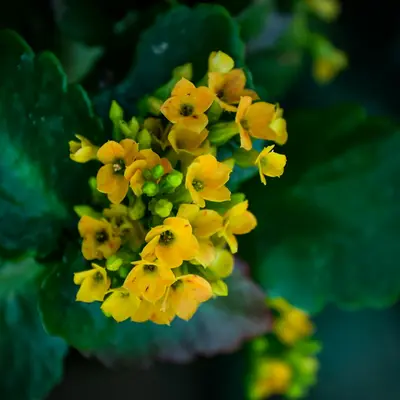
The finely lobed, ruffled leaves offer a unique look for adding loft and flavor to salads. Delicious, pungently sweet and spicy flavor. Also available in organic seed.
Harvest
21d
Days to harvest
Sun
Full sun to partial shade
Zones
8–11
USDA hardiness
Height
12-18 inches
Planting Timeline
Showing dates for Golden Frills in USDA Zone 7
All Zone 7 lettuce →Zone Map
Click a state to update dates
Golden Frills · Zones 8–11
Growing Details
Succession Planting
Direct sow Golden Frills every 14 days starting March 1 through late April, then pause — once daytime highs consistently hit 85°F, the leaves turn tough and sharp-hot in a way most people don't enjoy raw. Pick back up with sowings in late August through October. At 21 days to harvest, you can realistically run 3–4 successions in spring before heat shuts you down, and another 2–3 in fall before first frost.
For fall sowings in zone 7, count back from your average first frost (around mid-November in much of Georgia) and make sure your last sow date gives the plant at least 25 days — a small buffer past the 21-day minimum, since growth slows noticeably once nighttime temps drop below 50°F.
Complete Growing Guide
The finely lobed, ruffled leaves offer a unique look for adding loft and flavor to salads. Delicious, pungently sweet and spicy flavor. Also available in organic seed. According to Johnny's Selected Seeds, Golden Frills is 21 baby; 45 full size to maturity, annual, open pollinated. Notable features: Cold Tolerant, Hydroponic Performer, Heat Tolerant.
Light: Full sun (6 or more hours of direct sunlight a day), Partial Shade (Direct sunlight only part of the day, 2-6 hours). Soil: High Organic Matter. Soil pH: Neutral (6.0-8.0). Drainage: Good Drainage, Moist. Height: 1 ft. 0 in. - 1 ft. 6 in.. Spread: 1 ft. 0 in. - 1 ft. 6 in.. Spacing: Less than 12 inches. Growth rate: Rapid. Maintenance: Medium. Regions: Coastal, Mountains, Piedmont.
Harvesting
Golden Frills reaches harvest at 21 baby; 45 full size from sowing per Johnny's Selected Seeds. As an annual, harvest continues until frost ends the season.
Long pods with round, brown seeds. The fruits will dry and split when ripe. The seeds are harvested for use in condiments and oil.
Color: Brown/Copper. Type: Siliqua.
Garden value: Edible
Edibility: The leaves, seeds, flowers, and stems of this mustard variety are edible raw or cooked. Harvested leaves can be stored in the fridge for 3-5 days.
Storage & Preservation
Store freshly harvested Golden Frills in a perforated plastic bag in the refrigerator's crisper drawer at 32–40°F with 95% humidity; the leaves remain crisp for 7–10 days under these conditions. For longer preservation, freezing works best: blanch whole leaves or chopped fronds in boiling water for two minutes, plunge into ice water, pat dry, and freeze in airtight containers or vacuum-sealed bags for up to three months. Fermentation is also viable—layer shredded leaves with sea salt (2% by weight) in a clean jar, weigh down, and keep at 60–70°F for 1–2 weeks, yielding a tangy condiment with extended shelf life. Golden Frills' tender, frilly texture means it wilts quickly once cut; harvest in early morning and use the same day if possible for peak crispness and optimal flavor intensity.
History & Origin
Golden Frills is open-pollinated, meaning seed saved from healthy plants will produce true-to-type offspring. Listed in the Johnny's Selected Seeds catalog.
Origin: Russia to central Asia
Advantages
- +Distinctive ruffled leaves add visual appeal and texture to salads
- +Pungent, spicy flavor profile distinguishes it from mild lettuce varieties
- +Quick 21-day maturity makes it ideal for succession planting
- +Easy growing difficulty suitable for beginners and home gardeners
Considerations
- -Delicate frilled leaves are more prone to damage during handling
- -Spicy mustard flavor may not appeal to all palate preferences
- -Thin leaves dry out quickly once harvested without proper storage
Companion Plants
Chives and garlic are the most dependable companions for Golden Frills, and the mechanism is straightforward — their sulfur compounds disrupt the olfactory cues that aphids and flea beetles use to locate host plants. Plant them as a border or interplant every third row rather than scattering them randomly; proximity matters more than coverage. Marigolds (specifically Tagetes patula, French marigold) pull double duty by deterring root-knot nematodes in the soil and drawing in hoverflies that feed on aphid colonies. In our zone 7 Georgia garden, aphid pressure on mustard greens can ramp up hard by late April, so having marigolds already established before your first succession sow is worth starting them a few weeks early.
Radishes earn a spot for a different reason — they break up compacted soil ahead of Golden Frills' shallow roots and act as a flea beetle trap crop, which Phyllotreta spp. often prefer to brassica greens. Nasturtiums work similarly as a sacrificial draw for aphids; let a plant get colonized on purpose, then pull and trash it before the population moves on.
Broccoli is the one to skip as a neighbor. Same family (Brassicaceae), same pest and disease load — including downy mildew and flea beetles — which means you're concentrating problems rather than diluting them. Sunflowers are a subtler issue: their root exudates can slow germination of small-seeded crops planted within 12–18 inches, and their canopy will shade out a 12-inch green faster than you'd expect.
Plant Together
Chives
Repels aphids and other soft-bodied insects that commonly attack lettuce
Marigolds
Deters nematodes and aphids while attracting beneficial insects
Carrots
Deep roots don't compete with shallow lettuce roots, helps break up soil
Radishes
Quick-growing, helps loosen soil and can be harvested before lettuce needs space
Nasturtiums
Acts as trap crop for aphids and cucumber beetles, draws pests away from lettuce
Garlic
Natural pest deterrent, repels aphids and slugs that damage lettuce leaves
Cilantro
Attracts beneficial insects like ladybugs and parasitic wasps that control lettuce pests
Spinach
Similar growing requirements, can be interplanted for efficient space use
Keep Apart
Broccoli
Large size creates too much shade, competes heavily for nutrients and water
Sunflowers
Allelopathic effects inhibit lettuce germination and growth
Walnut trees
Produce juglone, a toxic compound that severely stunts or kills lettuce plants
Nutrition Facts
Per 100g serving. % Daily Value based on 2,000 calorie diet. Source: USDA FoodData Central (FDC #2346388)
Pests & Disease Resistance
Common Pests
Aphids, slugs, snails, flea beetles
Diseases
Lettuce mosaic virus, downy mildew, gray mold
Troubleshooting Golden Frills
What you'll see, why it happens, and what to do about it.
Seedlings collapsing at the soil line within the first 7–10 days after direct sow, sometimes with fuzzy white mold on the soil surface nearby
Likely Causes
- Damping off — a complex of soil-borne fungi (Pythium spp., Rhizoctonia solani) that thrives in cold, wet, poorly-drained soil
- Overwatering after sow, especially in heavy clay beds that don't drain well
What to Do
- 1.Don't replant in the same spot right away — move to a fresh bed or a raised bed with better drainage
- 2.Let the soil surface dry slightly between waterings once seeds have germinated; Golden Frills needs consistent moisture but not standing water
- 3.If damping off hit hard this season, NC State Extension's IPM approach recommends scouting other lettuce beds immediately — the fungus spreads via water splash and contaminated tools
Leaves covered in tiny, irregular holes or pits, most visible on young outer leaves in early spring and again in fall
Likely Causes
- Flea beetles (Phyllotreta spp.) — they overwinter in garden debris and jump to new plantings fast
- Damage is worse on stressed or slow-growing plants
What to Do
- 1.Cover beds with row cover immediately after direct sow — flea beetles are nearly impossible to manage once they're already feeding at scale
- 2.Keep the bed well-watered so plants grow fast enough to outpace minor pressure; at 21 days to harvest, Golden Frills can sometimes just outrun light infestations
- 3.Clear all brassica debris from the bed at season's end — that's where adults overwinter
Yellowing, puckered, or mosaic-patterned leaves with no obvious insect present, plants stunted compared to others in the same row
Likely Causes
- Lettuce mosaic virus (LMV) — transmitted by aphids, especially green peach aphid (Myzus persicae)
- Starting from virus-infected seed stock
What to Do
- 1.Pull and trash affected plants — LMV has no cure and the plant becomes a reservoir for aphids to spread it further
- 2.Knock back aphid populations with a strong water spray or insecticidal soap; repeat every 5–7 days
- 3.Source seed from suppliers who test for LMV; this matters more than most people realize with mustard greens
Gray-brown fuzzy patches on leaves or at the base of the plant, tissue underneath turning soft and water-soaked
Likely Causes
- Gray mold (Botrytis cinerea) — peaks when nights stay cool and humid, or when foliage stays wet for hours after irrigation
- Crowded planting below 6 inches spacing that traps moisture between plants
What to Do
- 1.Water in the morning so foliage dries before evening — drip irrigation is better than overhead for dense plantings
- 2.Remove and bag any infected leaves or plants immediately; Botrytis spores spread fast in a tight bed
- 3.Thin to at least 6 inches between plants — Golden Frills reaches 12–18 inches tall and needs the airflow
Frequently Asked Questions
How long does Golden Frills lettuce take to mature?▼
What does Golden Frills lettuce taste like?▼
Is Golden Frills lettuce good for beginners?▼
Can you grow Golden Frills lettuce in containers?▼
When should I plant Golden Frills lettuce?▼
How much space does Golden Frills lettuce need between plants?▼
Zone-by-Zone Planting Calendar
| Zone | Indoor Start | Transplant | Direct Sow | Harvest |
|---|---|---|---|---|
| Zone 1 | — | — | June – July | June – September |
| Zone 2 | — | — | May – July | June – September |
| Zone 11 | — | — | January – February | January – December |
| Zone 12 | — | — | January – February | January – December |
| Zone 13 | — | — | January – February | January – December |
| Zone 3 | — | — | May – June | May – October |
| Zone 4 | — | — | April – June | May – October |
| Zone 5 | — | — | April – May | May – November |
| Zone 6 | — | — | April – May | April – November |
| Zone 7 | — | — | March – May | April – November |
| Zone 8 | — | — | March – April | March – December |
| Zone 9 | — | — | February – March | February – December |
| Zone 10 | — | — | January – March | February – December |
Growing Guides from Wind River Greens
Sources & References
External authority sources used in compiling this guide.
- BreederJohnny's Selected Seeds
- USDAUSDA FoodData Central
See the Methodology page for how this data is sourced, what's AI-assisted, and known limitations.