Sally Holmes Shrub Rose
Rosa 'Sally Holmes'
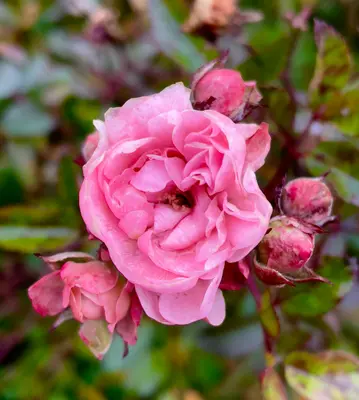
This exceptional shrub rose creates a spectacular display with enormous clusters of single, creamy white flowers that can contain 50 or more blooms per spray, resembling a massive hydrangea. The vigorous, arching growth habit and non-stop blooming from spring to frost make it perfect for creating dramatic focal points or informal hedges. Sally Holmes thrives with minimal care while providing maximum impact in the landscape.
Sun
Full sun to partial shade
Zones
5–9
USDA hardiness
Height
6-12 feet
Planting Timeline
Showing dates for Sally Holmes Shrub Rose in USDA Zone 7
All Zone 7 rose →Zone Map
Click a state to update dates
Sally Holmes Shrub Rose · Zones 5–9
Growing Details
Complete Growing Guide
Light: Full sun (6 or more hours of direct sunlight a day), Partial Shade (Direct sunlight only part of the day, 2-6 hours). Soil: High Organic Matter. Soil pH: Acid (<6.0), Neutral (6.0-8.0). Drainage: Good Drainage, Moist. Height: 6 ft. 0 in. - 12 ft. 0 in.. Spread: 3 ft. 0 in. - 5 ft. 0 in.. Spacing: 6-feet-12 feet. Growth rate: Medium. Maintenance: Medium. Propagation: Stem Cutting. Regions: Coastal, Mountains, Piedmont.
Harvesting
Rose hips will form if not pruned off
Color: Red/Burgundy. Type: Drupe.
Storage & Preservation
Cut Sally Holmes roses keep best in a clean vase with floral preservative at room temperature (65-72°F) away from ripening fruit or direct sun, maintaining 7-10 days of freshness. Change water every 2-3 days and re-cut stems at an angle under running water to remove air blockages. For extended enjoyment, dry entire sprays by hanging them upside-down in a warm, dark, well-ventilated space (attic, shed) for 2-3 weeks; dried arrangements retain form and color for months and require no water. Alternatively, press individual blooms between parchment paper weighted down with books for 2-3 weeks, then store flat in archival boxes for crafting or pressed-flower projects. Frozen petals (spread on a tray, frozen solid, then stored in freezer bags) can be used for homemade rose water or infusions, though the structure of fresh cut flowers is lost—this method suits petals you'd otherwise discard. Sally Holmes' single-flower form dries exceptionally well compared to full, densely-petaled roses, making it excellent for dried arrangements.
History & Origin
Rosa 'Sally Holmes' is a white shrub rose cultivar, bred by Robert Holmes in Great Britain in 1976, and named in honor of his wife, Sally. It was created from stock parents, Rosa 'Ivory Fashion' and Rosa 'Ballerina'. 'Sally Holmes' has won numerous awards, including the Portland Gold Medal in 1993, and induction into the Rose Hall of Fame as "World's Favourite Rose" in 2012.
Advantages
- +Produces spectacular 50+ bloom clusters resembling hydrangeas for dramatic impact
- +Blooms continuously from spring through frost without deadheading required
- +Requires minimal care while remaining highly disease resistant and pest-free
- +Vigorous arching growth creates natural informal hedges or striking focal points
- +Light honey fragrance provides delicate scent without overwhelming strength
Considerations
- -Large sprawling size requires significant garden space or regular pruning
- -Single flowers lack the romantic fullness of double-petaled rose varieties
- -White blooms may show dirt and require frequent cleaning during rain
- -Needs consistent moisture during hot summers to maintain continuous blooming
Companion Plants
Lavender, catmint, and thyme planted within 2–3 feet do double duty — their volatile oils confuse aphids and thrips, and their shallow root systems won't crowd the rose's crown. Marigolds (Tagetes spp.) and alliums like garlic work similarly; garlic has a long-standing reputation for suppressing aphid pressure, though most of the evidence is observational rather than from controlled trials. Clematis is a smart vertical pairing because it climbs without girdling and thrives in the same 6.0–7.5 pH range. Skip planting brassicas nearby — their root exudates can interfere with the rose's uptake, and they attract flea beetles that will move on to anything soft-leafed in the bed.
Plant Together
Lavender
Repels aphids, spider mites, and other rose pests while attracting beneficial pollinators
Marigolds
Deters nematodes, aphids, and whiteflies that commonly attack roses
Garlic
Natural fungicide properties help prevent black spot and powdery mildew on roses
Catmint
Repels aphids and ants while attracting beneficial insects like lacewings
Alliums
Strong scent deters aphids, thrips, and other soft-bodied insects
Clematis
Shares similar growing conditions and provides vertical interest without competing
Thyme
Ground cover that repels cabbage worms and enhances soil health
Geraniums
Repel Japanese beetles and rose chafers that feed on rose blooms
Keep Apart
Black Walnut
Produces juglone toxin that inhibits rose growth and can cause wilting
Large Trees
Create excessive shade and compete for nutrients, reducing rose bloom production
Brassicas
Heavy feeders that compete for nutrients and may stunt rose growth
Pests & Disease Resistance
Resistance
Excellent disease resistance, very healthy variety
Common Pests
Rarely bothered by pests
Diseases
Highly disease resistant
Troubleshooting Sally Holmes Shrub Rose
What you'll see, why it happens, and what to do about it.
Dark spots with irregular, feathered edges on leaves; leaves yellowing and dropping, sometimes mid-season
Likely Causes
- Black spot (Diplocarpon rosae) — a fungal disease that splashes up from soil or infected fallen leaves during wet weather
- Overhead watering extending leaf wetness into morning or evening hours
What to Do
- 1.Strip and bag (don't compost) all infected leaves, including fallen ones around the base
- 2.Mulch the root zone in late winter to reduce soil splash onto lower leaves
- 3.Switch to drip irrigation or water at the base only — NC State Extension's IPM guidance specifically flags nighttime leaf wetness as a driver of black spot spread
- 4.Prune for airflow in winter, cutting out any cane infections at that time
New shoots growing in distorted clusters with excessive thorns, or elongated shoots that stay red instead of greening up
Likely Causes
- Rose rosette disease (Rose rosette virus), spread by the eriophyid mite Phyllocoptes fructiphilus
- Shoot proliferation (witches'-broom) can also appear from low-dose glyphosate drift — rule that out first if anyone sprayed nearby within the last few weeks
What to Do
- 1.Look for hyperthorniness AND red shoot elongation together — NC State Extension notes that either symptom alone isn't definitive, but both in combination strongly indicate RRD
- 2.There is no cure; remove and dispose of the entire plant in the trash, roots included, as soon as RRD is confirmed
- 3.Control wild multiflora rose (Rosa multiflora) within 100 feet — it's the primary reservoir host that keeps the mite population cycling back into garden beds
Frequently Asked Questions
How tall does Sally Holmes shrub rose get?▼
Is Sally Holmes a good rose for beginners?▼
Can you grow Sally Holmes in a container or pot?▼
When should I plant Sally Holmes?▼
How much sun does Sally Holmes need?▼
Sally Holmes vs other shrub roses—what makes it special?▼
Zone-by-Zone Planting Calendar
Growing Guides from Wind River Greens
Sources & References
External authority sources used in compiling this guide.
- ExtensionNC State Extension
See the Methodology page for how this data is sourced, what's AI-assisted, and known limitations.