LisAdora® Apricot III
Eustoma grandiflorum
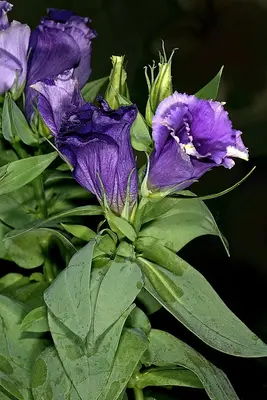
Wikimedia Commons via Eustoma russellianum
2 1/2-3 1/2" wide medium-sized double blooms are more rose-like than many varieties and almost resemble garden roses. As buds mature, petals curl outward on open blooms, enhancing the rose-like appearance. Flower color is pale apricot with a deep maroon/burgundy center. Group 3 for late spring, summer, and fall harvest. Lisianthus is also known as prairie gentian, Texas bluebell, and showy prairie gentian. Pelleted seeds.
Harvest
155-165d
Days to harvest
Sun
Full sun to partial shade
Zones
8–10
USDA hardiness
Height
1-3 feet
Planting Timeline
Showing dates for LisAdora® Apricot III in USDA Zone 7
All Zone 7 flower →Zone Map
Click a state to update dates
LisAdora® Apricot III · Zones 8–10
Growing Details
Succession Planting
Lisianthus doesn't lend itself to quick succession the way direct-sown crops do — at 155-165 days to harvest, you're committing most of your growing season to a single planting. One indoor sow in late February is the standard move; a second sow in early March can stagger your cut-flower window by 2-3 weeks, but that's about as much as the calendar allows before summer heat shuts down bud development.
If you want a longer overall season from this crop, put that second sow into a different Eustoma series rather than an identical timing repeat — some series are bred to tolerate cooler shoulder-season conditions and will push blooms later into fall from a June transplant. Don't try to direct sow either way; the seedlings are tiny and slow (10-14 days to germination), and starting indoors under grow lights gives you far better control over that fragile early stage.
Complete Growing Guide
2 1/2-3 1/2" wide medium-sized double blooms are more rose-like than many varieties and almost resemble garden roses. As buds mature, petals curl outward on open blooms, enhancing the rose-like appearance. Flower color is pale apricot with a deep maroon/burgundy center. Group 3 for late spring, summer, and fall harvest. Lisianthus is also known as prairie gentian, Texas bluebell, and showy prairie gentian. Pelleted seeds. According to Johnny's Selected Seeds, LisAdora® Apricot III is 155 - 165 days to maturity, annual, hybrid (f1). Notable features: Greenhouse Performer, Use for Cut Flowers and Bouquets.
Light: Full sun (6 or more hours of direct sunlight a day), Partial Shade (Direct sunlight only part of the day, 2-6 hours). Soil: Loam (Silt), Sand. Drainage: Good Drainage, Moist. Height: 1 ft. 0 in. - 3 ft. 0 in.. Spread: 0 ft. 9 in. - 1 ft. 0 in.. Maintenance: High. Propagation: Seed.
Harvesting
LisAdora® Apricot III reaches harvest at 155 - 165 days from sowing per Johnny's Selected Seeds. Expect 2 1/2-3 1/2" at peak. As an annual, harvest continues until frost ends the season.
This is an ornamental variety — not grown for harvest. Enjoy in the garden landscape.
Storage & Preservation
Store fresh LisAdora® Apricot III blooms in a cool location at 65-72°F with moderate humidity immediately after cutting. Remove lower foliage and place stems in clean water with floral preservative. Blooms last 10-14 days as cut flowers indoors. For preservation, air-dry by hanging upside down in a dark, well-ventilated space for 2-3 weeks to create dried arrangements that last months. Alternatively, press individual petals between paper under weight for botanical crafts. Glycerin treatment preserves supple texture and extends decorative lifespan.
History & Origin
LisAdora® Apricot III is an F1 hybrid developed through controlled cross-pollination. Listed in the Johnny's Selected Seeds catalog.
Origin: Nebraska south to Texas.
Advantages
- +Rose-like double blooms with elegant curled petals differentiate it from typical lisianthus varieties.
- +Pale apricot with deep maroon center provides striking two-tone color combination for arrangements.
- +Medium 2.5-3.5 inch blooms offer ideal size for mixed bouquets and floral designs.
- +Group 3 classification enables reliable late spring through fall continuous harvests.
- +Easy difficulty rating makes it accessible for both commercial and home growers.
Considerations
- -155-165 day requirement demands long growing season planning and greenhouse space commitment.
- -Lisianthus notoriously requires precise moisture balance; overwatering causes root rot quickly.
- -Pelleted seeds need careful germination conditions; poor seed viability reduces establishment rates.
Companion Plants
Marigolds — French types like 'Bonanza' work well at this scale — release root secretions that suppress soil nematodes, and their shallow roots don't compete with lisianthus at depth. Sweet alyssum and catmint pull in parasitic wasps and hoverflies that cut aphid pressure without any spray; around here in northeast Georgia, where aphid populations build fast through May, that's genuinely useful. Zinnias tucked at the bed edge act as a trap crop for thrips, drawing them away from the lisianthus blooms you're actually trying to cut. Fennel and black walnut are the two to keep at a distance — fennel's allelopathic compounds interfere with germination of nearby annuals, and black walnut's juglone is toxic to Eustoma at root-contact range.
Plant Together
Marigold
Repels nematodes, aphids, and whiteflies while attracting beneficial insects
Sweet Alyssum
Attracts beneficial insects like lacewings and provides ground cover
Nasturtium
Acts as trap crop for aphids and cucumber beetles, adds vibrant color contrast
Lavender
Repels moths, fleas, and mosquitoes while attracting pollinators
Zinnia
Attracts butterflies and beneficial predatory insects, complements warm colors
Cosmos
Attracts beneficial insects and provides structural contrast with delicate foliage
Parsley
Attracts beneficial wasps and hoverflies that control pest populations
Catmint
Repels ants, aphids, and rodents while attracting beneficial pollinators
Keep Apart
Black Walnut
Produces juglone toxin that inhibits growth and can kill sensitive plants
Eucalyptus
Releases allelopathic compounds that suppress growth of nearby plants
Fennel
Inhibits growth of most garden plants through allelopathic root secretions
Troubleshooting LisAdora® Apricot III
What you'll see, why it happens, and what to do about it.
Seedlings collapsing at soil level, stem pinched brown and water-soaked at the base, 1-3 weeks after germination
Likely Causes
- Damping off — usually Pythium or Rhizoctonia solani — triggered by overwatering or poor drainage in seed trays
- Sowing too densely, which traps humidity around stems
What to Do
- 1.Pull and discard affected seedlings immediately; don't let them sit in the tray
- 2.Water only at the base, let the top of the medium dry slightly between waterings, and run a small fan nearby for airflow
- 3.Use a sterile, well-draining seed-starting mix — not garden soil — for next sowing
Leaves developing gray, fuzzy patches, usually starting on older tissue or spent blooms around day 60-90
Likely Causes
- Botrytis cinerea (gray mold) — thrives when humidity stays above 85% and airflow is poor
- Spent flower petals sitting on foliage, which give Botrytis an easy entry point
What to Do
- 1.Deadhead spent blooms promptly and remove any visibly affected leaves; bag and trash them
- 2.Space plants at least 12 inches apart — closer than that and you're asking for it in a humid Georgia summer
- 3.Water in the morning so foliage dries before evening; avoid overhead irrigation
Foliage with pale, stippled patches and a faint bronze sheen, tiny moving specks visible on the undersides of leaves
Likely Causes
- Two-spotted spider mite (Tetranychus urticae) — populations explode in hot, dry conditions above 90°F
- Dusty conditions or drought stress that weakens the plant's ability to outpace infestation
What to Do
- 1.Knock mites off with a strong spray of water on the leaf undersides, done in the morning
- 2.Apply insecticidal soap or neem oil every 5-7 days for 2-3 cycles — mites build resistance fast, so don't skip applications
- 3.Keep plants consistently watered; drought-stressed lisianthus draws mite pressure faster than healthy plants
Flower buds turning brown and failing to open, or open blooms with scorched petal edges, typically during a heat spike
Likely Causes
- Heat blast — sustained daytime temperatures above 90°F cause bud abortion in Eustoma grandiflorum
- Uneven soil moisture during bud development, causing water stress at a critical stage
What to Do
- 1.Time transplanting so blooms arrive before July; with 155-165 days to harvest, a February indoor sow targets a June cut
- 2.Mulch the bed with 2-3 inches of straw to buffer soil temperature and hold moisture through dry spells
- 3.If a heat spike is forecast, 30% shade cloth can extend the bloom window by several days
Frequently Asked Questions
How long do LisAdora® Apricot III flowers last in a vase?▼
Is LisAdora® Apricot III good for beginners to grow?▼
Can you grow LisAdora® Apricot III in containers?▼
When should I plant LisAdora® Apricot III seeds?▼
What makes LisAdora® Apricot III different from other lisianthus varieties?▼
Do LisAdora® Apricot III flowers attract pollinators?▼
Zone-by-Zone Planting Calendar
| Zone | Indoor Start | Transplant | Direct Sow | Harvest |
|---|---|---|---|---|
| Zone 3 | April – May | June – July | June – August | — |
| Zone 4 | March – April | June – June | June – July | — |
| Zone 5 | March – April | May – June | May – July | — |
| Zone 6 | March – April | May – June | May – July | — |
| Zone 7 | February – March | April – May | April – June | — |
| Zone 8 | February – March | April – May | April – June | — |
| Zone 9 | January – February | March – April | March – May | — |
| Zone 10 | January – January | February – March | February – April | — |
| Zone 1 | May – June | July – August | July – September | — |
| Zone 2 | April – May | June – July | June – August | — |
| Zone 11 | January – January | January – February | January – March | — |
| Zone 12 | January – January | January – February | January – March | — |
| Zone 13 | January – January | January – February | January – March | — |
Growing Guides from Wind River Greens
Sources & References
External authority sources used in compiling this guide.
- BreederJohnny's Selected Seeds
See the Methodology page for how this data is sourced, what's AI-assisted, and known limitations.