Chantenay Red Core Carrot
Daucus carota 'Chantenay Red Core'
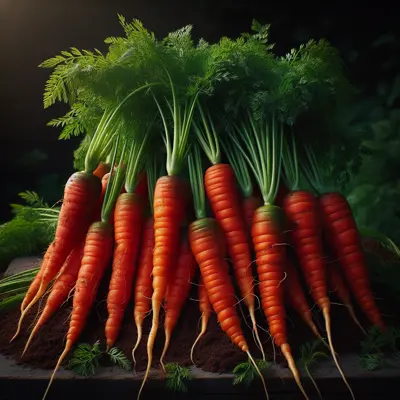
A robust French heirloom carrot perfect for heavy or shallow soils where longer varieties struggle. These broad-shouldered, conical carrots develop exceptional sweetness and a distinctive deep orange color throughout, making them ideal for fresh eating and storage. Their sturdy 5-6 inch length and excellent keeping quality have made them a favorite since the 1920s.
Harvest
65-75d
Days to harvest
Sun
Full sun to partial shade
Zones
4–11
USDA hardiness
Difficulty
Moderate
Planting Timeline
Showing dates for Chantenay Red Core Carrot in USDA Zone 7
All Zone 7 root-vegetable →Zone Map
Click a state to update dates
Chantenay Red Core Carrot · Zones 4–11
Growing Details
Succession Planting
In zone 7, direct sow Chantenay every 2-3 weeks from early March through late April for spring crops, then start again mid-August through mid-September for a fall harvest that holds in the ground past first frost. Skip the heat of June and July — germination collapses above 85°F soil temp, and any carrots that do come up will be bitter and woody.
Fall-sown Chantenay is the better crop here. Cooler nights past October convert starch to sugar, and the stout 5-6 inch roots handle our heavier red clay better than longer Imperator or Nantes types. Pull as needed through December; mulch with 4-6 inches of straw if a hard freeze is coming.
Complete Growing Guide
Light: Full sun (6 or more hours of direct sunlight a day), Partial Shade (Direct sunlight only part of the day, 2-6 hours). Soil: Clay, High Organic Matter, Loam (Silt), Sand, Shallow Rocky. Soil pH: Acid (<6.0), Alkaline (>8.0), Neutral (6.0-8.0). Drainage: Good Drainage, Moist, Occasionally Dry. Growth rate: Rapid. Maintenance: High. Propagation: Seed.
Harvesting
Small, dry, and ribbed with bristly hairs. The compound umbel of fruits folds inward to form a roundish shape that can be blown by the wind and roll across the ground dropping seeds.
Color: Brown/Copper. Type: Achene. Length: < 1 inch. Width: < 1 inch.
Edibility: Leaves, roots, flowers, and seeds are edible. The young fleshy roots can be cooked or eaten raw, the flower clusters can be french-fried to produce a carrot-flavored dish, the aromatic seed is used as a flavoring in stews, etc. The dried roasted roots are ground into a powder and are used for making coffee.
Storage & Preservation
Remove green tops immediately after harvest, leaving ¼ inch of stem to prevent bleeding. Brush off soil but don't wash until ready to use. Store unwashed Chantenay Red Core carrots in the refrigerator in perforated plastic bags for 2-4 months—their excellent keeping quality is one of their standout features.
For longer storage, layer carrots in slightly damp sand or sawdust in a cool (32-35°F), humid root cellar where they'll keep 4-6 months. These carrots freeze exceptionally well: blanch whole small carrots for 3 minutes or cut larger ones into coins and blanch 2 minutes, then freeze in portions. They're also excellent for canning in pressure canners and make superior carrot juice due to their intense sweetness and deep color. Dehydrate thin slices at 125°F for healthy snacks that retain much of their natural sweetness.
History & Origin
Origin: Europe, Eastern Asia and northern Africa
Advantages
- +Attracts: Bees, Butterflies, Pollinators
- +Edible: Leaves, roots, flowers, and seeds are edible. The young fleshy roots can be cooked or eaten raw, the flower clusters can be french-fried to produce a carrot-flavored dish, the aromatic seed is used as a flavoring in stews, etc. The dried roasted roots are ground into a powder and are used for making coffee.
- +Fast-growing
Considerations
- -Toxic (Leaves, Sap/Juice): Low severity
- -Causes contact dermatitis
- -High maintenance
Companion Plants
Chives, leeks, and rosemary all work next to carrots through smell — carrot rust fly (Psila rosae) hunts by scent, and the sulfur compounds in alliums plus the volatile oils in rosemary and sage muddle the trail. Marigolds (Tagetes) suppress root-knot nematodes, which matters in our zone 7 Georgia garden where sandy loam carries nematode populations year to year. Lettuce and radishes are spacing companions more than chemical ones — radishes germinate in 5-7 days and break the soil crust for slow carrot seed (14-21 days), and lettuce shades the bed without competing for root zone since carrots dive 8-12 inches down.
Dill and coriander should stay far away. Both share Apiaceae with carrots, so they pull the same pests (rust fly, aphids) and the same Alternaria leaf blight, and bolting dill draws anything overwintering in carrot litter. Parsnips have the same family problem plus they compete for the same deep root channel. Tomatoes are fine neighbors but I wouldn't credit them with much beyond afternoon shade.
Plant Together
Chives
Repels carrot flies and aphids while improving carrot flavor
Leeks
Repels carrot flies and root maggots through strong scent compounds
Rosemary
Deters carrot flies, cabbage moths, and other pests with aromatic oils
Sage
Repels carrot flies and root flies while attracting beneficial insects
Lettuce
Shallow roots don't compete, provides ground cover to retain soil moisture
Radishes
Breaks up compacted soil for carrot root development and deters flea beetles
Marigolds
Repels nematodes and carrot flies through root secretions and scent
Tomatoes
Provides partial shade and may improve carrot flavor when planted nearby
Keep Apart
Dill
Attracts carrot flies when mature and can cross-pollinate with carrots
Parsnips
Competes for same nutrients and attracts similar pests like carrot weevils
Coriander
Can attract carrot flies and may inhibit carrot seed germination
Nutrition Facts
Per 100g serving. % Daily Value based on 2,000 calorie diet. Source: USDA FoodData Central (FDC #170393)
Pests & Disease Resistance
Resistance
Good tolerance to splitting and cracking
Common Pests
Carrot rust fly, wireworms, aphids
Diseases
Alternaria leaf blight, bacterial soft rot, aster yellows
Troubleshooting Chantenay Red Core Carrot
What you'll see, why it happens, and what to do about it.
Forked, twisted, or hairy roots at harvest
Likely Causes
- Rocky or cloddy soil — the taproot hits an obstruction and splits
- Fresh manure or high nitrogen, which causes branching and root hairs
- Transplant shock — carrots resent being moved
What to Do
- 1.Double-dig the bed to 12 inches and sift out rocks before sowing; Chantenay's 5-6 inch root is more forgiving than Imperator types, but it still needs loose soil
- 2.Use only finished compost, and save the nitrogen feeds for the leafy crop that follows
- 3.Always direct sow — never transplant carrots
Winding tunnels through the roots and rust-colored frass, leaves looking bronzed
Likely Causes
- Carrot rust fly (Psila rosae) larvae feeding in the roots
- Crop planted in or next to last year's carrot or parsnip bed
What to Do
- 1.Cover the bed with insect netting or floating row cover (Agribon AG-15 or similar) from germination through harvest — adult flies lay eggs at the soil line
- 2.Rotate out of Apiaceae for 3-4 years per NC State's IPM guidance; don't follow carrots with parsnips, dill, celery, or fennel
- 3.Pull and trash (don't compost) any infested roots in fall to break the cycle
Yellow-brown V-shaped lesions on older leaves, foliage collapsing before roots size up
Likely Causes
- Alternaria leaf blight (Alternaria dauci) — splashes up from soil in warm wet weather
- Overhead watering late in the day
- Crowded stand with no airflow
What to Do
- 1.Thin to a true 2-3 inch spacing once seedlings are 2 inches tall — crowded carrots stay wet and stay small
- 2.Switch to drip or soaker hose, water in the morning, and mulch lightly between rows once tops are 4 inches
- 3.If it's bad, strip the worst leaves; the roots will keep sizing as long as some canopy survives. Rotate the bed next year.
Frequently Asked Questions
How long do Chantenay Red Core carrots take to grow?▼
Can you grow Chantenay Red Core carrots in containers?▼
Are Chantenay Red Core carrots good for beginners?▼
What do Chantenay Red Core carrots taste like?▼
When should I plant Chantenay Red Core carrot seeds?▼
How do Chantenay carrots compare to Nantes carrots?▼
Zone-by-Zone Planting Calendar
| Zone | Indoor Start | Transplant | Direct Sow | Harvest |
|---|---|---|---|---|
| Zone 1 | — | — | June – July | August – September |
| Zone 2 | — | — | May – July | July – September |
| Zone 11 | — | — | January – February | February – December |
| Zone 12 | — | — | January – February | February – December |
| Zone 13 | — | — | January – February | February – December |
| Zone 3 | — | — | May – June | July – October |
| Zone 4 | — | — | April – June | July – October |
| Zone 5 | — | — | April – May | June – November |
| Zone 6 | — | — | April – May | June – November |
| Zone 7 | — | — | March – May | May – November |
| Zone 8 | — | — | March – April | May – December |
| Zone 9 | — | — | February – March | April – December |
| Zone 10 | — | — | January – March | March – December |
Growing Guides from Wind River Greens
Sources & References
External authority sources used in compiling this guide.
See the Methodology page for how this data is sourced, what's AI-assisted, and known limitations.