Emerald Beaut Plum
Prunus salicina 'Emerald Beaut'
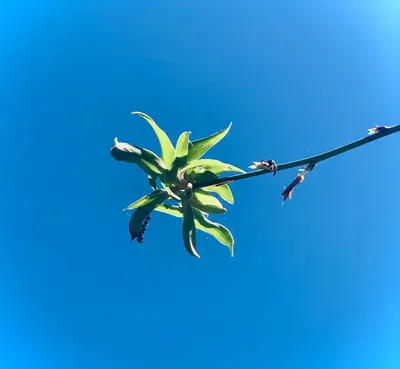
A stunning green-skinned plum that stays green even when fully ripe, making it unique among stone fruits. This Japanese variety produces large, incredibly sweet fruit with amber flesh that rivals the best dessert plums. The vigorous tree is self-fertile and produces heavy crops, making it an excellent choice for home orchards seeking something different.
Sun
Full sun to partial shade
Zones
5–8
USDA hardiness
Height
20-33 feet
Planting Timeline
Showing dates for Emerald Beaut Plum in USDA Zone 7
All Zone 7 fruit-tree →Zone Map
Click a state to update dates
Emerald Beaut Plum · Zones 5–8
Growing Details
Complete Growing Guide
Emerald Beaut plums require full sun and well-draining soil to achieve their characteristic sweetness and develop their amber flesh fully. Unlike most plums that show color change at ripeness, this Japanese cultivar's green skin persists even when completely mature, making harvest timing tricky—rely on gentle squeeze firmness and taste rather than visual cues, typically in mid-to-late summer. The tree's vigorous growth habit means regular pruning during dormancy prevents excessive branching and improves air circulation, reducing susceptibility to brown rot and shot hole disease, both common in plum varieties. Thin fruit aggressively in early summer to 4-6 inches apart, as this cultivar's heavy-cropping tendency can lead to small fruit and branch breakage. Space plantings with good air movement and avoid overhead irrigation to minimize fungal pressure during humid seasons.
Light: Full sun (6 or more hours of direct sunlight a day), Partial Shade (Direct sunlight only part of the day, 2-6 hours). Soil: Loam (Silt). Soil pH: Acid (<6.0), Alkaline (>8.0), Neutral (6.0-8.0). Drainage: Good Drainage, Moist. Height: 20 ft. 0 in. - 33 ft. 0 in.. Spread: 15 ft. 0 in. - 30 ft. 0 in.. Spacing: 12-24 feet, 24-60 feet. Growth rate: Medium. Propagation: Seed, Stem Cutting. Regions: Coastal, Mountains, Piedmont.
Harvesting
Harvesting Emerald Beaut plums requires attention to subtle cues since the skin remains green at maturity. Peak ripeness arrives when fruits reach full size, the skin develops a slight yellow-green undertone rather than bright chartreuse, and gentle pressure yields to your thumb without bruising. The fruit will feel noticeably heavier and fuller compared to underripe specimens. This variety produces a continuous harvest rather than all ripening simultaneously, so pick mature plums every two to three days throughout the season to encourage further flowering and fruiting. Begin checking for readiness in mid-summer, as the tree's vigorous growth habit typically brings early production, and harvest in the early morning when fruit is coolest for optimal flavor and texture.
The fruit is a red to purple juicy drupe 1.5 to 3 in. in diameter with yellow-pink flesh. Harvested in the summer
Color: Gold/Yellow, Pink. Type: Drupe. Length: 1-3 inches. Width: 1-3 inches.
Garden value: Edible
Harvest time: Summer
Edibility: Fruits are edible raw or cooked. Fruit can be candied or made into a liqueur, pies, preserves or dried
Storage & Preservation
Fresh Emerald Beauty plums store exceptionally well due to their firm texture. Keep unripe fruit at room temperature for 2-3 days to complete ripening. Once ripe, refrigerate immediately in the crisper drawer where they'll maintain quality for 1-2 weeks at 32-35°F with high humidity.
For long-term storage, these plums excel at dehydrating due to their low water content and concentrated sugars. Halve and pit before dehydrating at 135°F for 18-24 hours. The result rivals commercial dried plums in sweetness and texture.
Freezing works well for cooking applications—pit and quarter fruits before freezing in airtight containers. They'll keep 8-10 months frozen. The high sugar content also makes them ideal for jams and preserves, requiring less added sugar than most plum varieties. Their firm texture holds up beautifully in baked goods even after freezing.
History & Origin
The Emerald Beaut plum belongs to the Japanese plum lineage (Prunus salicina), which was extensively developed and refined during the early-to-mid twentieth century, particularly through American breeding programs that selected for improved fruit quality and productivity. While the specific breeder, exact year of origin, and release details for Emerald Beaut remain poorly documented in readily available horticultural records, the variety likely emerged from commercial breeding efforts focused on creating distinctive cultivars with novel fruit characteristics. Its green skin at maturity represents a deliberate selection trait within Japanese plum breeding, distinguishing it from traditional red and purple varieties. The variety's introduction appears connected to modern specialty fruit nurseries rather than a named university program or documented historical figure.
Origin: Russia, China, Vietnam, Taiwan
Advantages
- +Unique green skin remains attractive even when fully ripe
- +Exceptionally sweet with rich, complex flavor and firm texture
- +Self-fertile tree eliminates need for compatible pollinator varieties
- +Vigorous growth produces heavy crops reliably in home orchards
Considerations
- -Susceptible to multiple pests including plum curculio and oriental fruit moth
- -Vulnerable to brown rot, black knot, and bacterial spot diseases
- -Requires consistent pest and disease management for quality fruit
Companion Plants
Chives and garlic planted around the drip line help deter aphids and scale through the sulfur compounds in their foliage — not a guaranteed fix, but a useful deterrent that pulls its own weight in the kitchen. Comfrey is worth growing nearby for a different reason: its roots reach 6 feet down or more, pulling up calcium and potassium, and when you cut the leaves back as mulch, those nutrients transfer directly to the plum's root zone. Tagetes patula marigolds and nasturtiums draw in parasitic wasps and hoverflies that keep aphid colonies from taking hold. Fennel and black walnut both need to stay well clear — fennel is allelopathic to most fruit trees, and black walnut produces juglone, a root toxin that Prunus species are particularly sensitive to within a 50-foot radius.
Plant Together
Chives
Repels aphids and Japanese beetles while improving soil with sulfur compounds
Marigolds
Deters nematodes and aphids, attracts beneficial insects like ladybugs
Comfrey
Deep roots bring nutrients to surface, leaves provide potassium-rich mulch
Lavender
Repels moths and ants, attracts pollinators and beneficial predatory insects
Nasturtiums
Acts as trap crop for aphids and cucumber beetles, deters ants
Clover
Fixes nitrogen in soil, provides living mulch, attracts beneficial insects
Tansy
Repels ants, mice, and flying insects that may damage fruit
Garlic
Deters borers, aphids, and fungal diseases through sulfur compounds
Keep Apart
Black Walnut
Produces juglone toxin that inhibits growth and can kill stone fruit trees
Fennel
Allelopathic properties inhibit growth of most nearby plants including fruit trees
Eucalyptus
Releases allelopathic compounds that suppress growth of other plants
Nutrition Facts
Per 100g serving. % Daily Value based on 2,000 calorie diet. Source: USDA FoodData Central (FDC #169949)
Pests & Disease Resistance
Resistance
Good disease resistance, some tolerance to brown rot
Common Pests
Plum curculio, oriental fruit moth, aphids, scale
Diseases
Brown rot, black knot, bacterial spot
Troubleshooting Emerald Beaut Plum
What you'll see, why it happens, and what to do about it.
Small crescent-shaped cuts on developing fruit skin, fruit drops early or shows dark, corky scarring inside
Likely Causes
- Plum curculio (Conotrachelus nenuphar) — a weevil that lays eggs in fruitlets right after petal fall
- Oriental fruit moth (Grapholita molesta) — larvae tunnel into young shoots and later into fruit
What to Do
- 1.Hang sticky red-ball traps in the canopy at petal fall to monitor adult curculio pressure
- 2.Apply kaolin clay (Surround WP) as a physical barrier, starting at petal fall and reapplying after rain
- 3.For serious oriental fruit moth pressure, NC State Extension recommends pheromone mating disruption ties placed at 6-foot intervals through the canopy
Fruit rots rapidly on the tree — tan, fuzzy spore masses spreading from a single soft spot, often in humid stretches
Likely Causes
- Brown rot (Monilinia fructicola) — the single most common stone fruit disease, spores splash and spread fast in wet weather above 60°F
What to Do
- 1.Pick up and dispose of every mummified or dropped fruit immediately — they're the main spore reservoir
- 2.Thin fruit clusters so no two fruits touch; contact points are where brown rot spreads fastest
- 3.Apply a copper-based fungicide or sulfur spray at bud swell and again at petal fall; repeat every 10–14 days during wet periods
Black, swollen, warty galls on branches that grow larger each year; affected wood eventually dies back
Likely Causes
- Black knot (Apiosporina morbosa) — a fungal disease common on Prunus species; spores spread in spring rain
What to Do
- 1.Prune out every knot at least 4 inches below the visible gall margin, cutting into clean wood
- 2.Sterilize your pruning saw between cuts with a 10% bleach solution or 70% isopropyl alcohol
- 3.Bag and trash the removed wood — don't leave it on the ground near the tree or add it to compost
Leaves show small, angular water-soaked spots that turn brown or purple, sometimes with a yellow halo; spots may fall out leaving a shothole appearance
Likely Causes
- Bacterial spot (Xanthomonas arboricola pv. pruni) — worse in warm, wet springs and on trees stressed by poor drainage or overcrowding
What to Do
- 1.Switch to drip or soaker hose irrigation; keeping foliage dry cuts infection events significantly
- 2.Apply copper bactericide at green tip in early spring, before symptoms appear, as a preventive measure
- 3.If the canopy is dense, do dormant pruning to open it up — wet foliage that can't dry out by midmorning is where Xanthomonas gets its foothold
Frequently Asked Questions
How do you know when Emerald Beauty plums are ripe if they stay green?▼
Can you grow Emerald Beauty plum trees in containers?▼
Is Emerald Beauty plum good for beginners?▼
What does Emerald Beauty plum taste like compared to regular plums?▼
When should I plant Emerald Beauty plum trees?▼
How long does it take Emerald Beauty plum to produce fruit?▼
Zone-by-Zone Planting Calendar
Growing Guides from Wind River Greens
Sources & References
External authority sources used in compiling this guide.
See the Methodology page for how this data is sourced, what's AI-assisted, and known limitations.