Iron Pastel Mix
Matthiola incana
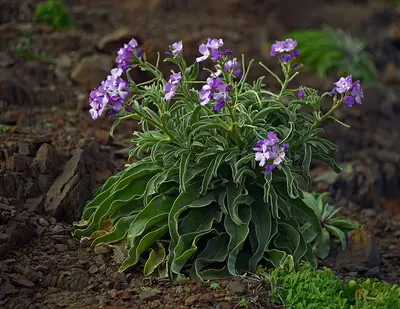
Our soft pastel blend is reminiscent of pastel-colored candies and marshmallows. Early single-stem, or column-type stock in a highly uniform series for one-cut harvest. Aptly named for strong, straight, rigid stems. Iron performed well in our spring, early summer, and fall trials. Selectable for doubles and 55% double without selection. Compared to Katz, Iron is slightly later to flower, and has somewhat shorter and thicker stems. Tightly spaced florets on the flower spike make for compact 1 1/2-2" blooms. NOTE: This variety produces one flowering stem per plant. Pinching is not advisable as it will terminate flowering. Edible Flowers: The peppery, clove-like flavor of the flowers lends itself well to use as a garnish on salads, desserts, and drinks.
Harvest
90-105d
Days to harvest
Sun
Full sun to partial shade
Zones
6–10
USDA hardiness
Height
1-3 feet
Planting Timeline
Showing dates for Iron Pastel Mix in USDA Zone 7
All Zone 7 flower →Zone Map
Click a state to update dates
Iron Pastel Mix · Zones 6–10
Growing Details
Succession Planting
Iron Pastel Mix stocks produce one main flush of blooms — once a stem is cut and the plant has flowered out, you won't get a second wave the way you would from basil or lettuce. Start seeds indoors every 3–4 weeks from February through March (zone 7), then shift to direct sowing again around mid-August for a fall cut. Stocks go off in sustained heat above 80°F, so there's a real gap through the hottest weeks of summer where they simply won't perform, and you're better off not trying to force it.
Time that late sowing so plants hit their 90–105 day mark before your first frost date. In zone 7, a mid-August direct sow is about the last practical window for fall flowers.
Complete Growing Guide
Our soft pastel blend is reminiscent of pastel-colored candies and marshmallows. Early single-stem, or column-type stock in a highly uniform series for one-cut harvest. Aptly named for strong, straight, rigid stems. Iron performed well in our spring, early summer, and fall trials. Selectable for doubles and 55% double without selection. Compared to Katz, Iron is slightly later to flower, and has somewhat shorter and thicker stems. Tightly spaced florets on the flower spike make for compact 1 1/2-2" blooms. NOTE: This variety produces one flowering stem per plant. Pinching is not advisable as it will terminate flowering. Edible Flowers: The peppery, clove-like flavor of the flowers lends itself well to use as a garnish on salads, desserts, and drinks. According to Johnny's Selected Seeds, Iron Pastel Mix is 90 - 105 days to maturity, annual, open pollinated. Notable features: Use for Cut Flowers and Bouquets, Edible Flowers, Fragrant.
Light: Full sun (6 or more hours of direct sunlight a day), Partial Shade (Direct sunlight only part of the day, 2-6 hours). Soil: Clay, High Organic Matter, Loam (Silt), Sand. Soil pH: Alkaline (>8.0), Neutral (6.0-8.0). Drainage: Good Drainage, Moist. Height: 1 ft. 0 in. - 3 ft. 0 in.. Spread: 0 ft. 9 in. - 1 ft. 6 in.. Spacing: Less than 12 inches, 12 inches-3 feet. Growth rate: Rapid. Maintenance: Low. Propagation: Seed. Regions: Coastal, Mountains.
Harvesting
Iron Pastel Mix reaches harvest at 90 - 105 days from sowing per Johnny's Selected Seeds. Expect 1 1/2-2" at peak. As an annual, harvest continues until frost ends the season.
Seeds will ripen in August and September.
Harvest time: Fall
Storage & Preservation
For fresh Iron Pastel Mix stock flowers, store stems upright in a vase with cool water (65-72°F) in a cool location away from direct sunlight and ripening fruit. These blooms last 10-14 days in the vase. For preservation, air-dry by hanging bundles upside-down in a cool, dark, well-ventilated space for 2-3 weeks, creating long-lasting dried arrangements. Alternatively, press individual florets between book pages for 1-2 weeks to preserve them for crafts or culinary garnishes. For maximum longevity, freeze fresh flowers in ice cube trays with water, then store in freezer bags for several months—ideal for cocktail applications.
History & Origin
Iron Pastel Mix is open-pollinated, meaning seed saved from healthy plants will produce true-to-type offspring. Listed in the Johnny's Selected Seeds catalog.
Origin: The Coast of Europe from Spain to Greece.
Advantages
- +Soft pastel colors resemble attractive candy and marshmallow tones
- +Strong, rigid stems ideal for professional cut flower arrangements
- +Highly uniform series allows efficient one-cut harvest timing
- +Early flowering within 90-105 days makes scheduling predictable
- +Tightly spaced florets create compact, full-looking 1.5-2 inch blooms
Considerations
- -Produces only one flowering stem per plant, limiting yield
- -Cannot be pinched without terminating the single stem's flowering
- -Slightly later to flower than comparable Katz variety
- -Shorter and thicker stems than Katz may limit design versatility
Companion Plants
Marigolds and alyssum pull the most weight here. French marigolds (Tagetes patula) deter aphids and thrips through scent, and alyssum draws in parasitic wasps and hoverflies that clean up soft-bodied pest pressure before it compounds. Zinnias and cosmos are good neighbors for a different reason — they feed at similar root depths and won't crowd Matthiola out for water or nutrients the way a deep-taproot plant would.
The three to skip: Black Walnut produces juglone, a compound that's flat-out toxic to many annuals, and stocks are sensitive enough that planting within the canopy drip line is a bad gamble. Eucalyptus drops allelopathic compounds in its leaf litter that suppress germination and early growth around it. Fennel exudes root chemicals that stunt most neighboring plants — it's a poor companion for almost anything in the cut flower bed, and Matthiola is no exception.
Plant Together
Marigolds
Repel nematodes and aphids while attracting beneficial insects
Alyssum
Attracts beneficial insects like lacewings and provides ground cover
Nasturtiums
Act as trap crop for aphids and cucumber beetles
Zinnias
Attract pollinators and beneficial predatory insects
Cosmos
Attract beneficial insects and provide structural support
Lavender
Repels moths, fleas, and mosquitoes with aromatic oils
Petunias
Repel aphids, tomato hornworms, and squash bugs
Sunflowers
Provide beneficial habitat and attract pollinators
Keep Apart
Black Walnut
Produces juglone toxin that inhibits growth of many plants
Eucalyptus
Releases allelopathic compounds that suppress nearby plant growth
Fennel
Inhibits growth of most garden plants through allelopathy
Troubleshooting Iron Pastel Mix
What you'll see, why it happens, and what to do about it.
Gray, powdery coating on leaves and stems, usually showing up after plants have been growing 6+ weeks
Likely Causes
- Powdery mildew (Erysiphe cichoracearum) — common on Matthiola in warm, humid conditions with poor airflow
- Crowded spacing that traps moisture around the foliage
What to Do
- 1.Thin plants to at least 12 inches apart if you haven't already
- 2.Spray with a diluted neem oil solution (2 tbsp per gallon of water) every 7 days until symptoms stop spreading
- 3.Water at the base only — overhead watering on a warm afternoon is basically an invitation for this
Seedlings or young transplants collapsing at the soil line, stems look pinched or water-soaked
Likely Causes
- Damping off — usually Pythium or Rhizoctonia fungi, both triggered by cold, waterlogged soil
- Overwatering in the first 2–3 weeks after germination
What to Do
- 1.Pull and discard affected seedlings immediately — they won't recover
- 2.Let the top inch of soil dry out between waterings going forward
- 3.If starting indoors, use a sterile seed-starting mix and a tray with drainage holes, not garden soil
Leaves showing small, irregular holes or ragged edges, especially on young growth
Likely Causes
- Flea beetles (Phyllotreta spp.) — tiny black beetles that jump when disturbed, very common on brassica-family plants like Matthiola
- Cabbage loopers (Trichoplusia ni) if the damage is more scalloped and you spot frass
What to Do
- 1.Cover seedlings with row cover (Agribon AG-19 or similar) right after transplanting and leave it on until plants are 8–10 inches tall
- 2.For loopers, hand-pick in the evening or apply Bt (Bacillus thuringiensis) per label — it's safe and effective on caterpillars
- 3.Flea beetle pressure usually drops once plants size up past the seedling stage, so light damage on a 10-inch plant isn't worth losing sleep over
Frequently Asked Questions
How long do Iron Pastel Mix flowers last in a vase?▼
Can I grow Iron Pastel Mix stock flowers in containers?▼
When should I plant Iron Pastel Mix seeds?▼
What does Iron Pastel Mix taste like when used as edible flowers?▼
Is Iron Pastel Mix good for beginner gardeners?▼
How does Iron Pastel Mix compare to Katz stock flowers?▼
Zone-by-Zone Planting Calendar
| Zone | Indoor Start | Transplant | Direct Sow | Harvest |
|---|---|---|---|---|
| Zone 1 | May – June | July – August | July – September | — |
| Zone 2 | April – May | June – July | June – August | — |
| Zone 11 | January – January | January – February | January – March | — |
| Zone 12 | January – January | January – February | January – March | — |
| Zone 13 | January – January | January – February | January – March | — |
| Zone 3 | April – May | June – July | June – August | — |
| Zone 4 | March – April | June – June | June – July | — |
| Zone 5 | March – April | May – June | May – July | — |
| Zone 6 | March – April | May – June | May – July | — |
| Zone 7 | February – March | April – May | April – June | — |
| Zone 8 | February – March | April – May | April – June | — |
| Zone 9 | January – February | March – April | March – May | — |
| Zone 10 | January – January | February – March | February – April | — |
Growing Guides from Wind River Greens
Sources & References
External authority sources used in compiling this guide.
- BreederJohnny's Selected Seeds
See the Methodology page for how this data is sourced, what's AI-assisted, and known limitations.