Zebra Grass
Miscanthus sinensis 'Zebrinus'
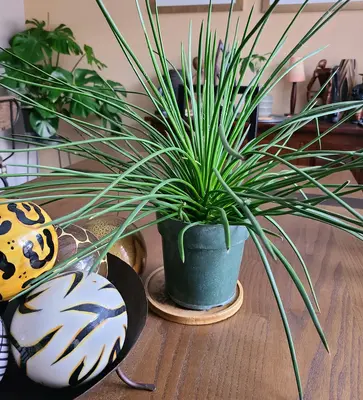
A show-stopping ornamental grass famous for its distinctive horizontal yellow bands that create a striking zebra-like pattern across the green foliage. This eye-catching variety forms large, dramatic clumps that serve as living sculptures in the landscape, topped with feathery copper-colored plumes in fall. Zebra grass is perfect for gardeners who want to make a bold statement while enjoying easy-care, drought-tolerant beauty.
Sun
Full sun to partial shade
Zones
5–9
USDA hardiness
Height
4-12 feet
Planting Timeline
Showing dates for Zebra Grass in USDA Zone 7
All Zone 7 grass →Zone Map
Click a state to update dates
Zebra Grass · Zones 5–9
Growing Details
Complete Growing Guide
Zebra Grass demands full sun—at least six hours daily—to develop those signature yellow bands; insufficient light causes the striping to fade into a dull greenish mass. Plant in spring after frost danger passes, as this cultivar is slower to establish than standard Miscanthus varieties and needs the full growing season to develop vigor. Unlike more compact ornamental grasses, Zebra Grass can become leggy and sprawling if not given excellent drainage; it despises wet feet and will rot in poorly drained soil. Cut back hard to 4–6 inches in early spring before new growth emerges—waiting until late spring risks missing the ideal pruning window when stems are still manageable. Watch for rust fungus in humid climates, especially if air circulation is poor. One practical tip: stake emerging shoots in windy sites, as the tall, heavy plumes can topple established clumps. Fertilize minimally; overly rich soil encourages weak, floppy growth.
Light: Full sun (6 or more hours of direct sunlight a day), Partial Shade (Direct sunlight only part of the day, 2-6 hours). Soil: Clay, Loam (Silt), Sand. Drainage: Good Drainage, Moist, Occasionally Dry, Occasionally Wet, Very Dry. Height: 4 ft. 0 in. - 12 ft. 0 in.. Spread: 4 ft. 0 in. - 6 ft. 0 in.. Spacing: 6-feet-12 feet. Growth rate: Medium. Maintenance: High. Propagation: Division.
Harvesting
Zebra grass reaches peak readiness for harvesting when the feathery plumes transition from their initial green stage to a warm copper or bronze color, typically in mid to late fall, and the foliage feels dry and papery rather than succulent. Cut the entire clump back to 4-6 inches above ground in a single harvest after the first frost, as this ornamental grass follows a single-season growth pattern and benefits from complete dormancy before spring regrowth. Timing your cut just after the first hard frost ensures the plumes have fully matured for maximum visual impact if you're drying them for arrangements, while the hardened plant structure makes cutting easier and reduces damage to the crown where next season's growth will emerge.
Color: Cream/Tan. Type: Aggregate, Caryopsis.
Harvest time: Fall, Summer
Storage & Preservation
Zebra grass itself doesn't require storage—it's a perennial that overwinters in the ground in zones 5-11. However, cut plumes harvested for dried arrangements benefit from proper storage.
After cutting, place plumes in a dry, well-ventilated area away from direct sunlight for 1-2 weeks to fully cure. Store dried plumes upright in a tall, dry vase or loosely bundled in kraft paper in a cool, dark closet. Ideal storage conditions are 40-50°F with low humidity (below 50%); avoid damp basements or attics.
Properly dried and stored plumes remain usable for dried arrangements for 12-18 months. To preserve color longer, store in darkness—prolonged sunlight fades the copper-bronze tones to gray-tan. If plumes become brittle during storage, mist lightly with water 24 hours before arranging to restore flexibility.
For long-term foliage preservation, press individual variegated leaves between newspaper under a heavy weight for 3-4 weeks, then store in a dry box. Pressed leaves retain color for 6-12 months and work beautifully in botanical crafts and herbarium collections.
History & Origin
Miscanthus sinensis 'Zebrinus' emerged from the Japanese species Miscanthus sinensis, which has been cultivated for ornamental purposes in East Asia for centuries before gaining popularity in Western gardens during the twentieth century. The specific cultivar 'Zebrinus' represents a notable variegated selection within this species, though detailed documentation of its exact breeder and introduction date remains sparse in readily available horticultural records. What is known is that this distinctive yellow-banded form became established in ornamental trade through European and American nurseries, likely during the mid-to-late twentieth century, building upon the broader ornamental grass movement that elevated Miscanthus varieties to landscape prominence. Its striking zebra-striped foliage pattern distinguishes it from solid-colored Miscanthus selections and related cultivars.
Origin: Asia
Advantages
- +Distinctive horizontal yellow bands create striking visual interest year-round
- +Dramatic copper plumes add late-season color and texture appeal
- +Drought-tolerant once established, requiring minimal water and maintenance
- +Forms large sculptural clumps that serve as living focal points
- +Easy to grow in most climates with simple annual cutback
Considerations
- -Rust and leaf blight thrive in humid, poorly-ventilated conditions
- -Requires full sun exposure to display vibrant variegated stripe patterns
- -Slow to establish in first year, needing patience for full impact
- -Aggressive self-seeding can spread beyond intended garden areas
Companion Plants
Black-Eyed Susan, Purple Coneflower, and Asters pair well here because they share Zebra Grass's preference for full sun and moderate water without fighting it for space — their fibrous roots stay relatively shallow and don't crowd the deeper crown of an established Miscanthus clump. Russian Sage and Catmint add a textural contrast to the bold vertical blades, and both handle dry spells once established, so you're not fighting mismatched watering schedules. Sedum and Ornamental Alliums fill in the front of a border without shading the grass base.
Two things to keep away: Black Walnut trees and dense groundcovers. Walnut roots release juglone, a compound documented to cause decline in Miscanthus and many other ornamentals — if there's a walnut within 50-60 feet, pick a different site. Dense groundcovers like creeping juniper or pachysandra planted tight to the crown trap moisture and restrict the airflow that keeps Puccinia rust in check. Shallow-rooted vegetables are a mismatch for a simpler reason: a mature clump at 4-12 feet tall throws enough afternoon shade to cut yields noticeably, and reworking the bed later is more effort than it sounds.
Plant Together
Black-Eyed Susan
Complementary bloom times and similar drought tolerance, creates attractive contrast
Purple Coneflower
Both are native prairie plants with similar water and soil requirements
Sedum
Low-growing succulent provides groundcover and contrasts well with tall grass texture
Russian Sage
Similar drought tolerance and provides purple blooms that complement grass plumes
Ornamental Alliums
Spherical flower heads create interesting form contrast with linear grass blades
Asters
Late season blooms extend garden interest when grass is at peak ornamental value
Catmint
Low maintenance perennial that provides color contrast and attracts beneficial insects
Coral Bells
Contrasting foliage colors and forms, tolerates partial shade from tall grass
Keep Apart
Black Walnut Trees
Produces juglone which can inhibit grass growth and cause yellowing
Dense Groundcovers
Compete aggressively for water and nutrients, can smother grass crown
Shallow-Rooted Vegetables
Zebra grass has extensive root system that outcompetes shallow-rooted plants
Pests & Disease Resistance
Resistance
Generally disease resistant and hardy
Common Pests
Aphids, scale insects (rarely problematic)
Diseases
Rust, leaf blight (in humid conditions)
Troubleshooting Zebra Grass
What you'll see, why it happens, and what to do about it.
Yellow or orange powdery pustules on leaf blades, usually appearing mid-to-late summer
Likely Causes
- Miscanthus rust (Puccinia miscanthi) — a fungal disease that spreads by airborne spores and thrives in warm, humid weather
- Poor air circulation from overcrowded planting or nearby dense shrubs
What to Do
- 1.Cut out and bag the worst-affected leaves; don't compost them
- 2.Make sure your spacing is the full 4-5 feet — clumps jammed together stay wet longer and rust spreads faster
- 3.In fall, cut the whole clump to 4-6 inches above the ground to remove overwintering spore material
Brown, water-soaked lesions running lengthwise along the leaf blades, often with a yellow halo
Likely Causes
- Leaf blight (Helminthosporium spp.) — shows up after extended wet, humid stretches
- Overhead irrigation that keeps foliage wet overnight
What to Do
- 1.Switch to drip or soaker hose irrigation so the leaves stay dry
- 2.Strip out the most affected leaves at the base and dispose of them — not in the compost pile
- 3.If it recurs every season, check whether the site gets 6+ hours of direct sun; a shadier spot dries out much more slowly and gives the pathogen a longer window
Clump growing noticeably smaller or dying out in the center, leaving a bare dead ring
Likely Causes
- Natural crown die-out — common in Miscanthus clumps older than 3-5 years
- Crown rot from poorly drained soil that stays saturated through winter
What to Do
- 1.Dig the entire clump in early spring before new growth exceeds 6 inches, split it with a sharp spade or reciprocating saw, discard the dead center, and replant the healthy outer divisions
- 2.Amend heavy clay soil with coarse compost before replanting to improve drainage
- 3.Plan to divide every 3-4 years as routine maintenance — it keeps the plant vigorous and the center full
Frequently Asked Questions
How tall does zebra grass grow, and how wide do mature plants get?▼
When should I cut back zebra grass, and how do I do it?▼
Can zebra grass grow in containers, and is it good for small gardens?▼
Is zebra grass drought tolerant, and how much water does it need?▼
Why does my zebra grass look plain green instead of striped?▼
How do I propagate zebra grass, and why can't I grow it from seed?▼
Zone-by-Zone Planting Calendar
Growing Guides from Wind River Greens
Sources & References
External authority sources used in compiling this guide.
- ExtensionNC State Extension
See the Methodology page for how this data is sourced, what's AI-assisted, and known limitations.