QIS™ Pink
Gomphrena globosa
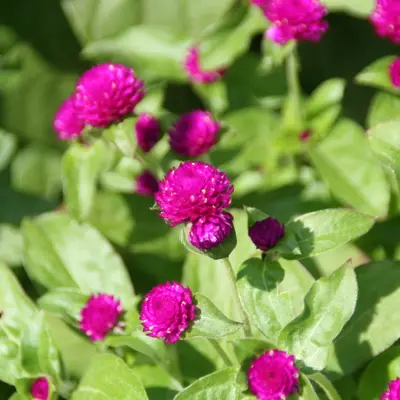
Frosty pink, 1 1/2" blooms on long stems. We have found the QIS™ (Quality in Seed) Series to be a good choice for cut-flower production for its stem quality, length, and uniformity. Also known as globe amaranth and common globe amaranth.
Harvest
85-100d
Days to harvest
Sun
Full sun to partial shade
Zones
2–11
USDA hardiness
Height
12-24 inches
Planting Timeline
Showing dates for QIS™ Pink in USDA Zone 7
All Zone 7 flower →Zone Map
Click a state to update dates
QIS™ Pink · Zones 2–11
Growing Details
Succession Planting
Start seeds indoors 6-8 weeks before your last frost — late February to early March in zone 7 — and transplant out in April once nights reliably stay above 50°F. A second direct sow in May gives you a later flush of blooms that carries into fall. Gomphrena handles heat without bolting, so you don't need to race the calendar on the back end; just stop sowing by mid-June so plants have enough runway to clear the 85-100 day mark before first frost.
Complete Growing Guide
Frosty pink, 1 1/2" blooms on long stems. We have found the QIS™ (Quality in Seed) Series to be a good choice for cut-flower production for its stem quality, length, and uniformity. Also known as globe amaranth and common globe amaranth. According to Johnny's Selected Seeds, QIS™ Pink is 85 - 100 days to maturity, annual, open pollinated. Notable features: Grows Well in Containers, Use for Cut Flowers and Bouquets, Ideal for Drying and Crafts.
Light: Full sun (6 or more hours of direct sunlight a day), Partial Shade (Direct sunlight only part of the day, 2-6 hours). Drainage: Good Drainage, Occasionally Dry. Height: 1 ft. 0 in. - 2 ft. 0 in.. Spread: 0 ft. 6 in. - 1 ft. 0 in.. Spacing: Less than 12 inches. Growth rate: Medium. Maintenance: Low. Propagation: Seed. Regions: Coastal, Mountains, Piedmont.
Harvesting
QIS™ Pink reaches harvest at 85 - 100 days from sowing per Johnny's Selected Seeds. Expect 1 1/2" at peak. As an annual, harvest continues until frost ends the season.
This is an ornamental variety — not grown for harvest. Enjoy in the garden landscape.
Storage & Preservation
Fresh-cut QIS™ Pink stems last 2–3 weeks in a vase with clean water and floral preservative, far longer than most cut flowers. Store fresh stems in a cool location (50–65°F) away from ripening fruit, which produces ethylene gas that shortens vase life. For drying, hang bundles upside-down in a warm (65–75°F), well-ventilated space out of direct sunlight; dried flowers retain color and form for 12+ months when stored in a cool, dry location away from humidity. No special preservation is needed for dried arrangements. QIS™ Pink is not suitable for freezing or other wet-preservation methods, as the delicate spherical flowers lose structure when rehydrated. Dried flowers remain vibrant and are ideal for permanent floral design, wreaths, and craft projects.
History & Origin
QIS™ Pink is open-pollinated, meaning seed saved from healthy plants will produce true-to-type offspring. Listed in the Johnny's Selected Seeds catalog.
Origin: Mexico to Brazil
Advantages
- +Excellent stem quality and length ideal for professional cut-flower arrangements
- +Frosty pink color adds unique aesthetic appeal to floral designs
- +QIS™ series ensures uniform growth and consistent bloom production
- +Long stems reduce need for additional height management techniques
- +Relatively easy cultivation suitable for both novice and experienced growers
Considerations
- -85-100 day maturity requires significant growing season planning ahead
- -Sensitive to overwatering which can cause root rot and stem issues
- -Requires well-draining soil or performance and bloom quality suffer
- -Heat-loving variety struggles in cool climates below 65°F consistently
Companion Plants
Marigolds and zinnias are the most practical neighbors here — both pull in predatory wasps and hoverflies that knock back aphid pressure, and all three share full-sun, moderate-water needs so you're not managing conflicting care in the same bed. Sweet alyssum fills in low gaps and draws Braconid wasps, which parasitize caterpillar larvae. Lavender and sage are fine as long as your drainage is solid, since they want drier conditions than gomphrena does during establishment. Black walnut is a hard no — juglone released from the roots moves through surrounding soil and will stunt gomphrena badly, sometimes within a single season.
Plant Together
Marigolds
Repel aphids, whiteflies, and nematodes while attracting beneficial insects
Sweet Alyssum
Attracts beneficial predatory insects and provides ground cover
Nasturtiums
Act as trap crop for aphids and cucumber beetles, repel squash bugs
Petunias
Repel aphids, tomato hornworms, and squash bugs
Lavender
Repels moths, fleas, and mosquitoes while attracting pollinators
Zinnias
Attract beneficial insects and butterflies, complement growth habit
Cosmos
Attract beneficial insects and provide natural pest control
Sage
Repels cabbage moths, carrot flies, and flea beetles
Keep Apart
Black Walnut
Produces juglone toxin that inhibits growth of many flowering plants
Fennel
Inhibits growth of most garden plants through allelopathic compounds
Eucalyptus
Releases allelopathic chemicals that suppress nearby plant growth
Troubleshooting QIS™ Pink
What you'll see, why it happens, and what to do about it.
Seedlings damping off at soil level — stems pinch thin and collapse within the first 2 weeks after germination
Likely Causes
- Pythium or Rhizoctonia fungi, both thriving in cold, waterlogged starting mix
- Overwatering combined with poor drainage in seed trays
What to Do
- 1.Water only when the top half-inch of mix is dry; gomphrena seedlings don't need much
- 2.Use a sterile, well-draining seed-starting mix — not garden soil
- 3.Improve airflow with a small fan on low; 30 minutes a day makes a real difference
Leaves developing powdery white coating, usually in mid-summer when nights cool off and days stay humid
Likely Causes
- Powdery mildew (Erysiphe cichoracearum) — worse when plants are crowded and airflow is limited
- Spacing tighter than 12 inches, which traps moisture around the foliage
What to Do
- 1.Space plants at least 12 inches apart at transplant — 15 inches if your summers are muggy
- 2.Spray affected foliage with a diluted baking soda solution (1 tablespoon per gallon of water) weekly until symptoms stop spreading
- 3.Pull the worst-affected leaves and throw them in the trash — not the compost pile
Plants stunted with distorted, cupped leaves and sticky residue on stems, noticed once temperatures hold above 70°F
Likely Causes
- Aphid colonies (commonly Myzus persicae or a related species) feeding on new growth
- Ant activity around the base — ants farm aphids for honeydew and actively protect them from predators
What to Do
- 1.Knock aphids off with a strong stream of water from a hose; do this in the morning so foliage dries before evening
- 2.Apply insecticidal soap directly to affected stems and leaf undersides, repeating every 5-7 days for 3 applications
- 3.Trace ant trails back to their entry point and disrupt them separately — if ants are guarding the colony, soap alone won't hold
Frequently Asked Questions
How long does QIS™ Pink take to grow from seed to harvest?▼
Is QIS™ Pink good for beginners?▼
Can you grow QIS™ Pink in containers?▼
How much sun does QIS™ Pink need?▼
What's the difference between drying and keeping QIS™ Pink fresh?▼
When should I plant QIS™ Pink seeds?▼
Zone-by-Zone Planting Calendar
| Zone | Indoor Start | Transplant | Direct Sow | Harvest |
|---|---|---|---|---|
| Zone 1 | May – June | July – August | July – September | — |
| Zone 2 | April – May | June – July | June – August | — |
| Zone 11 | January – January | January – February | January – March | — |
| Zone 12 | January – January | January – February | January – March | — |
| Zone 13 | January – January | January – February | January – March | — |
| Zone 3 | April – May | June – July | June – August | — |
| Zone 4 | March – April | June – June | June – July | — |
| Zone 5 | March – April | May – June | May – July | — |
| Zone 6 | March – April | May – June | May – July | — |
| Zone 7 | February – March | April – May | April – June | — |
| Zone 8 | February – March | April – May | April – June | — |
| Zone 9 | January – February | March – April | March – May | — |
| Zone 10 | January – January | February – March | February – April | — |
Growing Guides from Wind River Greens
Sources & References
External authority sources used in compiling this guide.
- BreederJohnny's Selected Seeds
See the Methodology page for how this data is sourced, what's AI-assisted, and known limitations.