Serviceberry Autumn Brilliance
Amelanchier × grandiflora 'Autumn Brilliance'
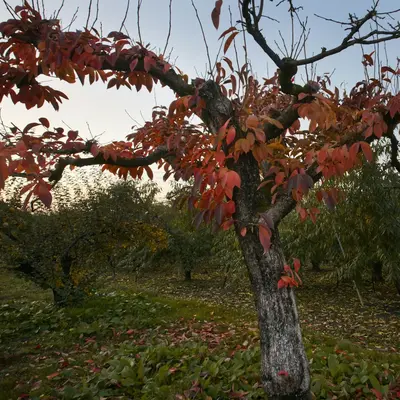
A superior native tree offering four seasons of beauty with delicate white spring flowers, sweet summer berries loved by birds, and exceptional orange-red fall color. This low-maintenance beauty adapts to various conditions while providing wildlife value and edible fruit for jams and pies. An excellent eco-friendly alternative to invasive ornamental trees.
Sun
Full sun to partial shade
Zones
4–9
USDA hardiness
Height
15-25 feet
Planting Timeline
Showing dates for Serviceberry Autumn Brilliance in USDA Zone 7
All Zone 7 ornamental-tree →Zone Map
Click a state to update dates
Serviceberry Autumn Brilliance · Zones 4–9
Growing Details
Complete Growing Guide
Light: Deep shade (Less than 2 hours to no direct sunlight), Full sun (6 or more hours of direct sunlight a day), Partial Shade (Direct sunlight only part of the day, 2-6 hours). Soil: Clay, Loam (Silt), Sand. Soil pH: Acid (<6.0), Neutral (6.0-8.0). Drainage: Good Drainage, Moist. Height: 15 ft. 0 in. - 25 ft. 0 in.. Spread: 15 ft. 0 in. - 25 ft. 0 in.. Spacing: 12-24 feet. Growth rate: Medium. Maintenance: High. Propagation: Root Cutting, Seed, Stem Cutting. Regions: Coastal, Mountains, Piedmont.
Harvesting
Edible berry-like pome starts green and turns to red and then blue-black. The fruit bears some resemblance to blueberries. They are edible and can be used in jams and jellies.
Color: Black, Blue, Green, Red/Burgundy. Type: Pome. Length: < 1 inch. Width: < 1 inch.
Garden value: Edible, Showy
Harvest time: Summer
Edibility: Tasty fruits, similar in flavor to blueberries, edible raw or cooked.
Storage & Preservation
Fresh serviceberries are best stored in the refrigerator in a shallow container for 5-7 days at 32-40°F with moderate humidity. They're delicate and spoil quickly at room temperature. For preservation, freeze berries in a single layer on a baking sheet, then transfer to freezer bags for up to one year. Alternatively, make jam by cooking berries with sugar and lemon juice, then seal in sterilized jars for 1-2 years of shelf stability. Dehydrating berries in a low-heat oven (135°F for 8-12 hours) creates a dried fruit that stores well in airtight containers for several months.
History & Origin
Origin: Europe, Africa, Northern America and Asia-Temperate
Advantages
- +Attracts: Pollinators, Songbirds, Specialized Bees
- +Edible: Tasty fruits, similar in flavor to blueberries, edible raw or cooked.
Considerations
- -High maintenance
Companion Plants
Wild Columbine, Coral Bells, and Astilbe all work well under or around 'Autumn Brilliance' because they're native or near-native to the same woodland-edge conditions the tree prefers — dappled light, slightly acidic soil in the pH 5.0–6.5 range, and consistent moisture without waterlogging. Ferns and Wild Ginger fill the ground layer without throwing up aggressive lateral roots, and Spicebush makes a natural structural neighbor: it blooms within a week or two of serviceberry in early spring, drawing in the same early-season pollinators without any chemical interference between the two root systems.
The plants to keep away each have a specific strike against them. Black Walnut produces juglone, a compound toxic to many woody plants within 50-60 feet — no workaround, just distance. Eastern Red Cedar is the primary alternate host for cedar-apple rust (Gymnosporangium juniperi-virginianae), so putting one near your serviceberry is an annual rust delivery system. Tree of Heaven (Ailanthus altissima) is a problem before you even get to competition — it releases allelopathic compounds from its roots, spreads aggressively by root sprout, and is classified as invasive across most of zones 4–9.
Plant Together
Wild Columbine
Attracts pollinators for serviceberry flowers and thrives in similar partial shade conditions
Coral Bells
Provides ground cover, attracts beneficial insects, and complements autumn colors
Astilbe
Thrives in similar moisture conditions and provides contrasting texture under the canopy
Wild Ginger
Natural woodland companion that helps retain soil moisture and suppress weeds
Elderberry
Both attract similar beneficial birds and pollinators, creating a wildlife habitat
Ferns
Natural understory plants that thrive in the dappled shade and help prevent soil erosion
Spicebush
Native woodland shrub that supports similar wildlife and has complementary bloom timing
Hosta
Excellent shade companion that benefits from the tree's canopy protection
Keep Apart
Black Walnut
Produces juglone toxin that inhibits growth and can cause wilting in serviceberry
Eastern Red Cedar
Can harbor cedar-apple rust which affects serviceberry and other rosaceous plants
Tree of Heaven
Aggressive invasive species that competes for resources and releases allelopathic compounds
Pests & Disease Resistance
Resistance
Excellent disease resistance, very hardy
Common Pests
Few serious pests, occasional leaf miners
Diseases
Rust (minor), fire blight (rare), very disease resistant
Troubleshooting Serviceberry Autumn Brilliance
What you'll see, why it happens, and what to do about it.
Orange or yellow powdery spots on leaves in summer, sometimes with tube-like structures on the undersides
Likely Causes
- Cedar-apple rust (Gymnosporangium juniperi-virginianae) — spores cycle between junipers/cedars and members of the rose family, including Amelanchier
- Eastern Red Cedar or ornamental junipers planted within a few hundred feet
What to Do
- 1.Remove Eastern Red Cedar or ornamental junipers from the immediate area if feasible — breaking the spore cycle is the most effective long-term fix
- 2.Apply a myclobutanil fungicide at bud break in spring if you've had rust two years running
- 3.Accept minor cosmetic infection if the tree is otherwise healthy — 'Autumn Brilliance' is tolerant enough that rust rarely causes real damage
New shoot tips wilting and turning dark brown or black, as if scorched, in late spring
Likely Causes
- Fire blight (Erwinia amylovora) — bacterial infection that enters through blossoms or fresh wounds during warm, wet spring weather
- Overhead irrigation or heavy spring rains spreading bacteria to open flowers
What to Do
- 1.Prune out affected shoots at least 8-12 inches below the visible discoloration; sterilize your pruners with 70% isopropyl alcohol between cuts
- 2.Trash the prunings — don't compost them
- 3.Back off high-nitrogen fertilizer in spring, which pushes the soft new growth that fire blight targets
Irregular pale or tan serpentine tunnels winding across leaf surfaces, visible by mid-summer
Likely Causes
- Leafminers (Phytomyza or Agromyza species) — larvae feed between the upper and lower leaf surfaces
- More common on trees stressed by drought or compacted soil
What to Do
- 1.Damage is cosmetic on an established tree — no chemical treatment is usually warranted
- 2.Keep the tree watered to 1 inch per week during dry stretches so it isn't stressed going into fall
- 3.Rake and dispose of heavily mined leaves in autumn to reduce overwintering pupae in the soil
Gradual decline over 1-2 seasons — yellowing leaves, dieback from branch tips, no new growth — on a tree planted near black walnut
Likely Causes
- Juglone toxicity (5-hydroxy-1,4-naphthoquinone) produced by Juglans nigra roots and decomposing debris
- Root zone overlap — black walnut's toxic zone extends roughly 50-60 feet from the trunk
What to Do
- 1.Relocate the serviceberry outside that 50-60 foot radius — there's no soil amendment that reliably neutralizes juglone once it's in the ground
- 2.If relocation isn't possible, try a raised bed with a physical root barrier, though long-term results are mixed at best
- 3.Clear black walnut leaf litter and hull debris from the soil surface around the serviceberry each fall to limit ongoing juglone load
Frequently Asked Questions
Is Serviceberry Autumn Brilliance easy to grow for beginners?▼
What does serviceberry taste like?▼
When should I plant Serviceberry Autumn Brilliance?▼
Can you grow Serviceberry Autumn Brilliance in containers?▼
How long does it take Serviceberry Autumn Brilliance to mature?▼
What makes Serviceberry Autumn Brilliance better than other ornamental trees?▼
Zone-by-Zone Planting Calendar
Growing Guides from Wind River Greens
Sources & References
External authority sources used in compiling this guide.
- ExtensionNC State Extension
See the Methodology page for how this data is sourced, what's AI-assisted, and known limitations.