Rose of Sharon
Hibiscus syriacus
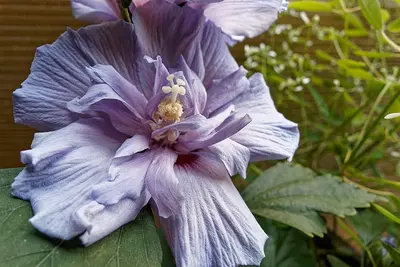
A stunning late-summer bloomer that produces tropical-looking hibiscus flowers when most other shrubs have finished flowering. This hardy deciduous shrub is incredibly low-maintenance and drought-tolerant once established, making it perfect for busy gardeners. The abundant blooms attract butterflies and hummingbirds while providing beautiful privacy screening.
Sun
Full sun to partial shade
Zones
5–9
USDA hardiness
Height
8-12 feet
Planting Timeline
Showing dates for Rose of Sharon in USDA Zone 7
All Zone 7 shrub →Zone Map
Click a state to update dates
Rose of Sharon · Zones 5–9
Growing Details
Complete Growing Guide
Light: Full sun (6 or more hours of direct sunlight a day), Partial Shade (Direct sunlight only part of the day, 2-6 hours). Drainage: Good Drainage, Moist, Occasionally Dry, Occasionally Wet. Height: 8 ft. 0 in. - 12 ft. 0 in.. Spread: 6 ft. 0 in. - 10 ft. 0 in.. Spacing: 6-feet-12 feet. Growth rate: Rapid. Maintenance: High.
Harvesting
A 5-valved dehiscent capsule, 3/4" long and wide, brown; persists through winter.
Color: Brown/Copper. Type: Capsule.
Harvest time: Fall
Storage & Preservation
Rose of Sharon is a deciduous shrub and does not require storage like produce. However, for cut flowers, place stems in cool water indoors away from direct sunlight; they last 5-7 days. For seed preservation, collect dried seed pods in fall, store seeds in a cool, dry location (50-60°F, 30-40% humidity) in paper envelopes for up to 2 years. Propagation methods include: (1) softwood cuttings in early summer rooted in moist soil; (2) hardwood cuttings in fall/winter stored dormant in cool conditions; (3) seed collection and stratification over winter before spring planting.
History & Origin
Origin: S. China, Taiwan
Advantages
- +Attracts: Butterflies, Hummingbirds, Pollinators, Specialized Bees
- +Fast-growing
Considerations
- -High maintenance
Companion Plants
Lavender, catmint, and marigold are the most practical companions here. All three tolerate drier conditions once established, so they won't compete hard for water with a shrub that's still building its root system. Marigolds (Tagetes spp.) are thought to suppress nematodes in the surrounding soil, and catmint's low sprawling habit fills in bare ground at the base — less open soil means fewer aphid-friendly debris zones underneath the canopy. Lavender and catmint together pull in predatory wasps and hoverflies, which keep aphid populations from getting out of hand without much effort on your part.
Bee balm (Monarda spp.) earns its spot by attracting pollinators that are active during the July–September bloom window, so the two plants are genuinely useful to each other rather than just coexisting. Clematis can be trained up beside the shrub for vertical layering without meaningful root competition. Black walnut is the hard no: it produces juglone through its roots and leaf litter, a compound that interferes with respiration in many woody plants — Hibiscus syriacus included. Eucalyptus releases similar allelopathic compounds through decomposing leaves, so keep both well away.
Plant Together
Lavender
Attracts beneficial insects and pollinators while repelling pests like aphids
Marigold
Deters aphids, whiteflies, and other common shrub pests with natural compounds
Clematis
Climbing vine that uses Rose of Sharon as support while adding vertical interest
Hostas
Thrives in partial shade created by the shrub and provides contrasting foliage
Bee Balm
Attracts pollinators and beneficial insects that help with pest control
Catmint
Repels ants and aphids while attracting beneficial pollinators
Astilbe
Tolerates partial shade from shrub and adds colorful plumes in summer
Sedum
Drought-tolerant groundcover that complements the shrub's water needs
Keep Apart
Black Walnut
Produces juglone toxin that inhibits growth and can damage Rose of Sharon roots
Eucalyptus
Releases allelopathic compounds that suppress nearby plant growth
Sunflower
Competes aggressively for nutrients and water, can stunt shrub growth
Pests & Disease Resistance
Resistance
Good resistance to most diseases, occasionally affected by leaf spot
Common Pests
Aphids, Japanese beetles, spider mites
Diseases
Leaf spot, canker, root rot in poorly drained soils
Troubleshooting Rose of Sharon
What you'll see, why it happens, and what to do about it.
Sticky, distorted new growth with clusters of tiny insects on branch tips, especially in spring
Likely Causes
- Aphid infestation (commonly Aphis gossypii or Myzus persicae) — they colonize soft new tissue fast
- Over-fertilizing with nitrogen, which produces the lush tender growth aphids prefer
What to Do
- 1.Blast them off with a firm stream of water from a hose — do it three mornings in a row
- 2.Spray with insecticidal soap, hitting the undersides of leaves where they cluster
- 3.Ease up on high-nitrogen fertilizer; a balanced slow-release formula is plenty for an established shrub
Ragged holes chewed in leaves and flowers, metallic green-bronze beetles visible on the plant in July or August
Likely Causes
- Japanese beetle (Popillia japonica) — Rose of Sharon is one of their preferred hosts and bloom timing lines up almost perfectly with adult emergence
What to Do
- 1.Hand-pick beetles into a bucket of soapy water in the early morning when they're sluggish
- 2.Apply neem oil or pyrethrin spray every 7 days during peak emergence (typically a 6-8 week window)
- 3.Skip pheromone traps — NC State Extension notes they tend to draw in more beetles from the surrounding area than they actually catch
Circular brown or tan spots on leaves, sometimes with a yellow halo, appearing mid to late summer
Likely Causes
- Fungal leaf spot (Cercospora or Phyllosticta spp.) — spreads via water splash, worsens in humid summers
- Shrubs planted closer than 6 feet apart, which cuts airflow and keeps foliage damp longer after rain
What to Do
- 1.Remove and bag affected leaves — don't compost them
- 2.Water at the base only; avoid wetting the foliage, especially in the evening
- 3.If it recurs badly each year, apply a copper-based fungicide preventively at bud break the following spring
Wilting and yellowing leaves with branch dieback despite adequate rainfall; roots look dark or mushy when examined
Likely Causes
- Phytophthora root rot — almost always triggered by planting in a low spot or heavy clay that holds standing water
- Planting too deep, which keeps the crown consistently wet through the growing season
What to Do
- 1.Dig up and inspect the root ball; if more than half the roots are brown and soft, the plant is unlikely to recover
- 2.Replant in a raised bed or berm, or amend the planting hole with coarse grit — target a soil pH of 6.0–7.5 with genuine drainage
- 3.Don't put another Hibiscus syriacus in the same spot without correcting whatever caused the drainage problem first
Frequently Asked Questions
Is Rose of Sharon good for beginner gardeners?▼
When should I plant Rose of Sharon?▼
How long do Rose of Sharon blooms last?▼
Can I grow Rose of Sharon in containers?▼
What pests affect Rose of Sharon?▼
How much sun does Rose of Sharon need?▼
Zone-by-Zone Planting Calendar
Growing Guides from Wind River Greens
Sources & References
External authority sources used in compiling this guide.
- ExtensionNC State Extension
See the Methodology page for how this data is sourced, what's AI-assisted, and known limitations.