Moroccan Mint
Mentha spicata 'Moroccan'
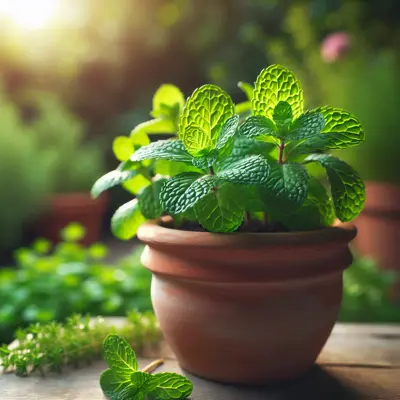
The traditional mint of North African tea culture, prized for its intensely sweet flavor and exceptional fragrance. This spearmint variety produces vibrant green leaves with a refreshing, clean taste that's less aggressive than peppermint. Perfect for the classic Moroccan mint tea and a beautiful, aromatic addition to any herb garden.
Harvest
60-90d
Days to harvest
Sun
Full sun to partial shade
Zones
4–9
USDA hardiness
Height
12-24 inches
Planting Timeline
Showing dates for Moroccan Mint in USDA Zone 7
All Zone 7 herb →Zone Map
Click a state to update dates
Moroccan Mint · Zones 4–9
Growing Details
Succession Planting
Moroccan mint is a perennial in zones 4–9, so succession planting doesn't apply — you're managing an established plant, not scheduling new ones. One clump will spread aggressively via underground rhizomes, and within two seasons it can overtake adjacent beds. Sink a 12-inch-deep root barrier or grow it in a buried container from the start.
NC State Extension recommends transplanting mints rather than direct seeding to ensure you're getting the right plant and to see usable growth in year one. Start indoors in February or March, transplant out between April and June, and expect your first real harvest 60-90 days after transplanting. From there, cut stems back by about one-third every few weeks through the season — that frequency keeps the plant bushy and delays flowering, which is when essential oil concentration (and flavor) drops off sharply.
Complete Growing Guide
This spearmint cultivar thrives in consistent moisture and bright indirect light, preferring slightly cooler conditions than many Mediterranean herbs—aim for 65-75°F during its 60-90 day growth window to prevent premature bolting, which occurs readily in intense heat. Moroccan Mint develops deeper, more complex sweetness when given afternoon shade in hot climates, unlike sun-loving peppermint varieties. The cultivar is notably vigorous and shallow-rooted, making it susceptible to spider mites in dry indoor conditions and prone to root rot if overwatered; space plants at least 12 inches apart for airflow and allow soil surface to dry slightly between waterings. Pinch stem tips frequently to encourage bushier growth and delay flowering, which reduces leaf flavor. For the most aromatic harvest suited to traditional tea preparation, pick leaves in early morning after dew dries but before peak heat.
Light: Full sun (6 or more hours of direct sunlight a day), Partial Shade (Direct sunlight only part of the day, 2-6 hours). Soil: Clay, High Organic Matter, Loam (Silt), Sand. Soil pH: Neutral (6.0-8.0). Drainage: Good Drainage, Moist, Occasionally Dry, Occasionally Wet. Height: 1 ft. 0 in. - 2 ft. 0 in.. Spread: 1 ft. 0 in. - 2 ft. 0 in.. Spacing: 12 inches-3 feet. Growth rate: Rapid. Maintenance: Medium. Propagation: Division, Seed, Stem Cutting. Regions: Coastal, Mountains, Piedmont.
Harvesting
Moroccan Mint reaches peak harvesting readiness when leaves display their characteristic vibrant green color and measure one to two inches long, feeling tender and slightly succulent to the touch. For optimal flavor intensity and continued productivity, employ a continuous harvesting method rather than a single harvest, pinching off leaf clusters from the stem tips throughout the growing season. The sweetest, most aromatic leaves emerge just before flowering, making this the ideal window to harvest; prioritize cutting in early morning after dew has dried but before afternoon heat diminishes the plant's essential oils, ensuring maximum flavor retention for your tea preparations.
Each flower is replaced by four small nutlets in the fall.
Type: Nut.
Harvest time: Fall
Edibility: Fresh or dried leaves and flowers in teas, beverages, sauces, jellies, vinegars; Fresh leaves in fruit salad, peas, syrups, candies, ice creams, lamb dishes, mint sauce.
Storage & Preservation
Fresh Moroccan mint stores best wrapped in damp paper towels inside perforated plastic bags in the refrigerator, maintaining quality for 7-10 days. For longer storage, place stems in water like cut flowers and cover leaves loosely with plastic—change water every 2-3 days.
Drying preserves the distinctive sweet flavor exceptionally well. Hang small bundles upside down in a warm, dark, well-ventilated area for 1-2 weeks until leaves crumble easily. Alternatively, use a dehydrator at 95°F for 2-4 hours. Store dried leaves in airtight containers away from light for up to one year.
Freeze whole leaves on baking sheets, then transfer to freezer bags for up to 6 months—perfect for tea preparation. Moroccan mint also makes excellent herb ice cubes when chopped and frozen in water or simple syrup for beverages.
History & Origin
Mentha spicata 'Moroccan' represents a regional selection within the broader spearmint lineage (Mentha spicata) rather than a formally documented modern breeding achievement. This variety emerged from centuries of cultivation in North Africa, where Moroccan tea culture elevated spearmint to cultural and culinary significance. While specific breeder credits or introduction dates remain undocumented in commercial horticultural records, 'Moroccan' reflects traditional seed saving and selection practices within Moroccan communities who refined the plant for superior sweetness and aromatic qualities. The variety entered Western seed commerce through heritage and specialty nurseries recognizing its distinct characteristics, establishing it as a named cultivar without formal university or institutional breeding documentation.
Origin: Europe to China
Advantages
- +Intensely sweet flavor makes Moroccan Mint ideal for traditional North African tea
- +Less menthol content provides gentler, more refined taste than common peppermint
- +Ready to harvest in just 60-90 days for quick gardening gratification
- +Vibrant green leaves offer beautiful ornamental appeal alongside culinary usefulness
- +Very easy to grow, perfect for beginner herb gardeners and containers
Considerations
- -Susceptible to mint rust and verticillium wilt, requiring careful disease management
- -Prone to root rot in poorly drained soils, demanding specific growing conditions
- -Spider mites and aphids frequently infest Moroccan Mint foliage during warm seasons
Companion Plants
Mint's strongest companion role is as a pest deterrent, and the mechanism is specific: the volatile oils in Mentha spicata 'Moroccan' — particularly carvone and limonene — interfere with the host-finding ability of aphids, cabbage loopers, and flea beetles. That's why it pulls its weight near brassicas like cabbage and broccoli, where those pests do the most damage. Plant it 12-18 inches from the brassica bed edge so the scent disperses across the planting without mint's aggressive rhizomes invading neighboring root zones. Carrots and radishes get similar benefits, and because their roots run at different depths — mint is shallow, carrots push 6-12 inches down — there's no real competition for moisture.
Tomatoes and lettuce also make sense here. Mint can reduce aphid pressure on lettuce, and the partial shade taller tomato plants cast suits mint during hot stretches when 6+ hours of afternoon sun starts to stress it. Marigolds add another layer of scent-based pest confusion; peas fix nitrogen at the root level without shading mint out.
The companions to avoid are genuinely worth avoiding. Parsley competes for the same shallow moisture band and the two tend to crowd each other out within a single season. Chamomile and basil are a different problem — both have demonstrated allelopathic properties and can suppress nearby mint's establishment. Basil in particular seems to slow new mint growth when planted closer than 18 inches, so keep all three at least a full bed-width away.
Plant Together
Tomatoes
Mint repels tomato hornworms and aphids while improving tomato flavor
Cabbage
Deters cabbage moths and flea beetles from brassicas
Carrots
Mint's strong scent masks carrot smell from carrot flies
Broccoli
Repels cabbage worms and ants that can damage brassicas
Lettuce
Provides natural pest control against aphids and slugs
Radishes
Mint deters flea beetles that commonly attack radish leaves
Peas
Helps repel aphids and mice that damage pea plants
Marigolds
Both plants repel similar pests, creating stronger pest deterrent effect
Keep Apart
Parsley
Mint's aggressive spreading can crowd out and overshadow slower-growing parsley
Chamomile
Mint's vigorous growth can overtake delicate chamomile plants
Basil
Mint may inhibit basil's growth and can compete for nutrients and space
Nutrition Facts
Per 100g serving. % Daily Value based on 2,000 calorie diet. Source: USDA FoodData Central (FDC #173474)
Pests & Disease Resistance
Resistance
Good resistance to most mint diseases, may be susceptible to rust in humid conditions
Common Pests
Aphids, spider mites, mint flea beetles
Diseases
Mint rust, verticillium wilt, root rot in poorly drained soils
Troubleshooting Moroccan Mint
What you'll see, why it happens, and what to do about it.
Leaves stippled with tiny yellow or bronze speckling, webbing visible on leaf undersides
Likely Causes
- Spider mites (Tetranychus urticae) — thrive in hot, dry conditions above 85°F
- Overcrowded planting with poor air circulation
What to Do
- 1.Blast the undersides of leaves with a firm stream of water to knock mites off
- 2.Apply insecticidal soap to severe infestations — NC State Extension notes it's one of the few options appropriate for culinary herbs
- 3.Thin plantings to at least 12 inches apart and keep soil consistently moist; dry soil speeds mite buildup
Small, round orange or brown powdery pustules on leaf undersides, leaves distorting and dropping
Likely Causes
- Mint rust (Puccinia menthae) — a fungal pathogen that overwinters in infected plant debris and spreads via spores in humid conditions
What to Do
- 1.Remove and trash (do not compost) all infected leaves and stems immediately
- 2.Cut the whole planting back hard — down to 2-3 inches — to remove infected tissue and encourage clean regrowth
- 3.Improve airflow by thinning to 12-18 inch spacing and switch to drip or base watering; rust spreads fastest when foliage stays wet for hours at a time
Stems and foliage wilting despite adequate watering; lower leaves yellowing without recovery
Likely Causes
- Verticillium wilt (Verticillium dahliae) — soil-borne fungus that clogs vascular tissue, especially in heavy or poorly drained soils
- Fungal root rot from waterlogged soil — NC State Extension notes these pathogens can spread through the entire root system within a few days in cool, wet conditions
What to Do
- 1.Dig up and discard affected plants — recovery is unlikely once wilt is established
- 2.Don't replant mint in the same spot for at least 2-3 seasons; avoid beds with a history of Verticillium-susceptible crops like tomatoes or strawberries
- 3.Amend heavy clay beds with compost and raise them 4-6 inches to improve drainage before replanting
Small, round holes chewed through leaves; tiny dark beetles visible jumping when disturbed
Likely Causes
- Mint flea beetles (Longitarsus waterhousei) — adults feed on foliage and are most active during warm, dry spells
What to Do
- 1.Hand-pick beetles in the early morning when they're slower; NC State Extension recommends hand-picking as first-line control for larger pest insects on culinary herbs
- 2.Apply a 1-2 inch layer of straw or bark mulch around the base — this disrupts the soil-dwelling larval stage
- 3.Keep plants watered at 1-1.5 inches per week; drought-stressed plants draw heavier pressure
Frequently Asked Questions
How long does Moroccan mint take to grow from seed?▼
Can you grow Moroccan mint in containers?▼
What does Moroccan mint taste like compared to regular spearmint?▼
Is Moroccan mint good for beginners?▼
When should I plant Moroccan mint?▼
How do I stop Moroccan mint from taking over my garden?▼
Zone-by-Zone Planting Calendar
| Zone | Indoor Start | Transplant | Direct Sow | Harvest |
|---|---|---|---|---|
| Zone 4 | March – April | June – July | — | July – October |
| Zone 5 | March – April | May – June | — | June – October |
| Zone 6 | March – April | May – June | — | June – November |
| Zone 7 | February – March | April – June | — | June – November |
| Zone 8 | February – March | April – May | — | May – December |
| Zone 9 | January – February | March – April | — | April – December |
Growing Guides from Wind River Greens
Sources & References
External authority sources used in compiling this guide.
- ExtensionNC State Extension
- USDAUSDA FoodData Central
See the Methodology page for how this data is sourced, what's AI-assisted, and known limitations.