Wild Lupine
Lupinus perennis
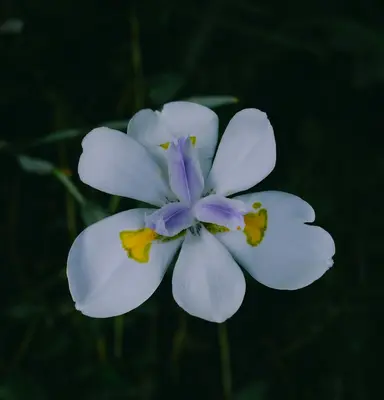
This stunning native perennial produces tall spikes of blue-purple pea-like flowers above distinctive palmate leaves. Wild lupine is the sole host plant for the endangered Karner blue butterfly and an important nitrogen-fixer that improves soil health. Its deep taproot makes it extremely drought tolerant once established, perfect for naturalizing in sandy soils.
Sun
Full sun to partial shade
Zones
3–8
USDA hardiness
Height
12-30 inches
Planting Timeline
Showing dates for Wild Lupine in USDA Zone 7
All Zone 7 native-wildflower →Zone Map
Click a state to update dates
Wild Lupine · Zones 3–8
Growing Details
Complete Growing Guide
Light: Full sun (6 or more hours of direct sunlight a day), Partial Shade (Direct sunlight only part of the day, 2-6 hours). Soil: Loam (Silt), Sand, Shallow Rocky. Soil pH: Acid (<6.0), Neutral (6.0-8.0). Drainage: Good Drainage, Moist, Occasionally Dry, Very Dry. Height: 1 ft. 0 in. - 2 ft. 6 in.. Spread: 0 ft. 6 in. - 1 ft. 0 in.. Spacing: Less than 12 inches. Growth rate: Medium. Maintenance: Low. Propagation: Root Cutting, Seed. Regions: Coastal, Mountains, Piedmont.
Harvesting
The pea pods are hairy and about 2 inches long. They turn black at maturity and have 2-7 seeds that can be expelled several feet when the pod splits.
Color: Black, Green. Type: Legume. Length: 1-3 inches. Width: < 1 inch.
Harvest time: Summer
Storage & Preservation
Wild lupine is primarily grown as an ornamental perennial and is not typically harvested or stored for consumption. For cut flowers, place stems in cool water at 65-70°F in a humid environment away from direct sun; they'll last 7-10 days. To preserve seeds for planting, store them in a cool, dry place (50-60°F, 30-40% humidity) in sealed containers for up to 2 years. For long-term seed preservation, dry seeds thoroughly, seal in airtight packets, and store in a refrigerator. Pressed flowers retain color in cool, dry conditions for several years when preserved between paper in low-humidity storage.
History & Origin
Origin: Eastern and Central USA
Advantages
- +Attracts: Bees, Butterflies, Hummingbirds, Pollinators, Small Mammals, Songbirds
- +Low maintenance
Considerations
- -Toxic (Seeds): Low severity
Companion Plants
Little Bluestem and Prairie Dropseed are good neighbors because their fibrous, shallow root systems don't compete with Lupine's deep taproot, and the grasses fill in at ground level without shading the flower spikes. Wild Bergamot and Purple Coneflower bloom on a similar schedule and pull in the same native bee traffic — Lupinus perennis is one of the only larval host plants for the Karner blue butterfly (Lycaeides melissa samuelis), a federally endangered species, so grouping it with other pollinator plants does real conservation work, not just aesthetic variety. Black Walnut produces juglone, a compound that leaches 50–60 feet from the trunk and is documented to kill lupines outright; give it that much clearance or don't bother planting. Fennel secretes root exudates that suppress germination and establishment in most herbaceous plants nearby.
Plant Together
Little Bluestem
Native prairie grass that shares similar soil and moisture requirements, provides structural support
Wild Bergamot
Attracts beneficial pollinators and predatory insects that help protect lupine from pests
Purple Coneflower
Complementary blooming periods extend pollinator season, both thrive in similar prairie conditions
Wild Columbine
Benefits from nitrogen fixed by lupine roots, provides early season nectar for pollinators
Black-Eyed Susan
Deep taproot brings up nutrients for shallow-rooted lupine, attracts diverse beneficial insects
Wild Ginger
Ground cover that helps retain soil moisture and suppress weeds around lupine base
Nodding Onion
Natural pest deterrent that helps protect lupine from aphids and other soft-bodied insects
Prairie Dropseed
Fine-textured native grass that creates microclimate protection without competing for resources
Keep Apart
Black Walnut
Produces juglone, a natural herbicide toxic to lupine and most legumes
Fennel
Allelopathic compounds inhibit lupine germination and root development
Sunflower
Releases allelopathic chemicals that suppress lupine growth and nitrogen-fixing ability
Pests & Disease Resistance
Resistance
Generally disease resistant, may suffer from root rot in wet conditions
Common Pests
Aphids, lupine weevil, spider mites
Diseases
Root rot, powdery mildew in humid conditions
Troubleshooting Wild Lupine
What you'll see, why it happens, and what to do about it.
Leaves covered in white powdery coating, usually on upper surfaces, in mid to late summer
Likely Causes
- Powdery mildew (Erysiphe spp.) — fungal spores spread by wind, thrives when days are warm and nights are cool with low airflow
- Crowded planting at less than 12-inch spacing that traps humidity around the foliage
What to Do
- 1.Thin plants to at least 12 inches apart so air can move through
- 2.Cut affected stems back hard — Wild Lupine is a perennial and will resprout; removing infected tissue slows spread
- 3.Don't overhead water; keep moisture at the soil level
Plants wilting and yellowing from the base up, with stems that look dark or mushy at the soil line
Likely Causes
- Root rot (Phytophthora or Pythium spp.) — almost always triggered by poorly drained soil or overwatering, especially in clay
- Planting in a low spot where water pools after rain
What to Do
- 1.Dig up affected plants and check the roots — brown, slimy roots mean the plant is done; remove and discard it
- 2.Amend the bed with coarse sand or fine gravel before replanting, and keep pH between 6.0 and 7.0; the nitrogen-fixing root nodules that make Lupine useful to neighboring plants fail completely in waterlogged, anaerobic soil
- 3.Relocate to a raised bed or slope with fast drainage — this plant shrugs off a dry August far better than it handles wet feet in May
Frequently Asked Questions
How long does wild lupine take to bloom?▼
Is wild lupine good for beginners?▼
Can you grow wild lupine in containers?▼
Why is wild lupine important for wildlife?▼
When should I plant wild lupine seeds?▼
What are common pests affecting wild lupine?▼
Zone-by-Zone Planting Calendar
Growing Guides from Wind River Greens
Sources & References
External authority sources used in compiling this guide.
- ExtensionNC State Extension
See the Methodology page for how this data is sourced, what's AI-assisted, and known limitations.