Potomac Pink
Antirrhinum majus
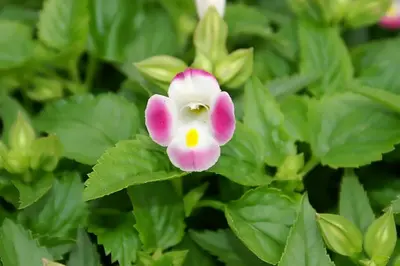
Light rose-colored blooms for field or greenhouse production. Group 3-4: Warm season snapdragons are bred for optimal performance under long days, high light levels, and warm temperatures. Edible Flowers: The flowers are a colorful garnish for use in salads, desserts, and drinks. The flavor is floral and slightly bitter, so use sparingly.
Harvest
110-120d
Days to harvest
Sun
Full sun to partial shade
Zones
7–10
USDA hardiness
Height
0-3 feet
Planting Timeline
Showing dates for Potomac Pink in USDA Zone 7
All Zone 7 flower →Zone Map
Click a state to update dates
Potomac Pink · Zones 7–10
Growing Details
Succession Planting
Potomac Pink is a cool-season performer that starts to decline once daytime highs push consistently past 80-85°F — flowers get smaller, plants get leggy. In zone 7, start seeds indoors under lights in late February or early March (germination takes 7-10 days at 65-70°F soil temperature), then transplant out in April once nights stay reliably above 40°F. For a second flush, start a new round of seeds indoors in late June and move them out in late August; they'll bloom from October until hard frost.
There's no point staggering weekly sowings the way you would with lettuce — at 110-120 days from seed to bloom, two planned rounds per year (spring and fall) is the practical structure. If you're buying transplants instead of starting from seed, you can push the first planting to May, but you'll give up several weeks of bloom time before summer heat shuts them down.
Complete Growing Guide
Light rose-colored blooms for field or greenhouse production. Group 3-4: Warm season snapdragons are bred for optimal performance under long days, high light levels, and warm temperatures. Edible Flowers: The flowers are a colorful garnish for use in salads, desserts, and drinks. The flavor is floral and slightly bitter, so use sparingly. According to Johnny's Selected Seeds, Potomac Pink is 110 - 120 days to maturity, annual, hybrid (f1). Notable features: Easy Choice, Greenhouse Performer, Use for Cut Flowers and Bouquets, Edible Flowers, Fragrant.
Light: Full sun (6 or more hours of direct sunlight a day), Partial Shade (Direct sunlight only part of the day, 2-6 hours). Soil: High Organic Matter. Drainage: Good Drainage. Height: 0 ft. 6 in. - 3 ft. 0 in.. Spread: 0 ft. 6 in. - 0 ft. 10 in.. Spacing: Less than 12 inches. Growth rate: Medium. Maintenance: Medium.
Harvesting
Potomac Pink reaches harvest at 110 - 120 days from sowing per Johnny's Selected Seeds. As an annual, harvest continues until frost ends the season.
A capsule, half hidden by calyx lobes, short-beaked.
Type: Capsule. Length: 1-3 inches.
Storage & Preservation
Fresh Potomac Pink snapdragons are best stored in a cool environment between 35-45°F with moderate humidity. Keep stems in water in the refrigerator; they'll last 7-10 days when properly hydrated. For preservation, air-dry by hanging bundles upside-down in a cool, dark place for long-lasting dried arrangements. Alternatively, press individual blooms between parchment paper weighted with books for 2-3 weeks to preserve them flat for crafts or scrapbooking. Freeze flowers in ice cube trays with water for decorative culinary uses lasting several weeks.
History & Origin
Potomac Pink is an F1 hybrid developed through controlled cross-pollination. Listed in the Johnny's Selected Seeds catalog.
Origin: Southwestern Europe
Advantages
- +Light rose color provides elegant aesthetic appeal for bouquets and arrangements
- +Suitable for both field and greenhouse production increases commercial flexibility
- +Edible flowers offer unique culinary garnish value for premium food service
- +110-120 day maturity allows reasonable crop turnaround for growers
- +Easy difficulty rating makes it accessible for beginner and commercial growers
Considerations
- -Floral-bitter flavor requires sparing use limiting culinary application potential
- -Warm season requirement restricts growing seasons in cooler climates
- -Group 3-4 snapdragons may require supplemental lighting in low-light regions
Companion Plants
Marigolds (especially Tagetes patula) are the most practical companion here — their roots produce alpha-terthienyl, which suppresses soil nematodes, and their scent disrupts thrips and whiteflies that would otherwise land straight on the snapdragons. Sweet alyssum at the border draws in Aphidius wasps and hoverflies, genuine predators of the thrips colonies that damage Antirrhinum buds. Lavender and catmint nearby deter whiteflies without competing for root space at the 12-18 inch depth these snapdragons occupy. Keep fennel well away — it releases volatile anethole compounds that stunt many annuals — and black walnut farther still, since juglone toxicity from its root zone has been documented to kill a wide range of ornamentals outright.
Plant Together
Marigolds
Repel aphids, whiteflies, and nematodes while attracting beneficial insects
Lavender
Deters pests with strong fragrance and attracts pollinators
Nasturtiums
Act as trap crop for aphids and cucumber beetles
Sweet Alyssum
Attracts beneficial insects like lacewings and parasitic wasps
Catmint
Repels ants, aphids, and cabbage looper moths
Zinnia
Attracts butterflies and beneficial predatory insects
Cosmos
Attracts beneficial insects and provides complementary colors
Salvia
Repels harmful insects while attracting hummingbirds and bees
Keep Apart
Black Walnut
Releases juglone toxin that inhibits growth of many flowering plants
Fennel
Inhibits growth of most garden plants through allelopathy
Eucalyptus
Releases allelopathic compounds that suppress nearby plant growth
Pests & Disease Resistance
Common Pests
Spider mites, thrips, whiteflies
Diseases
Powdery mildew, rust, root rot in poorly drained soil
Troubleshooting Potomac Pink
What you'll see, why it happens, and what to do about it.
White powdery coating on leaves and stems, usually appearing mid-season when nights cool down
Likely Causes
- Powdery mildew (Podosphaera xanthii or Erysiphe cichoracearum) — thrives in warm days and cool, humid nights
- Poor airflow from crowded planting at less than 12-inch spacing
What to Do
- 1.Remove and trash the worst-affected leaves immediately — don't compost them
- 2.Spray remaining foliage with a diluted baking soda solution (1 tablespoon per gallon of water) or a sulfur-based fungicide on a dry morning
- 3.Space plants a full 18 inches apart next season and avoid overhead watering in the evening
Orange or rust-colored pustules on the undersides of leaves, with yellowing on the upper surface
Likely Causes
- Snapdragon rust (Puccinia antirrhini) — a fungal disease specific to Antirrhinum, spreads by airborne spores
- Wet foliage sitting overnight from overhead irrigation or rain
What to Do
- 1.Pull and bag affected leaves — rust spreads fast and spores remain viable in debris through winter
- 2.Switch to drip irrigation or water at the base in the morning so foliage dries before evening
- 3.Apply a copper-based fungicide as a preventive if rust has hit your beds in prior seasons
Leaves stippled with tiny pale dots, turning bronze or silvery overall; fine webbing visible on undersides in dry weather
Likely Causes
- Two-spotted spider mite (Tetranychus urticae) — populations explode during hot, dry stretches above 85°F
- Dust-covered or drought-stressed plants, which are preferentially attacked
What to Do
- 1.Blast the undersides of leaves with a firm stream of water — knocks mites off and they rarely climb back
- 2.Apply insecticidal soap or neem oil to the undersides of leaves, repeating every 5-7 days for at least two cycles
- 3.Keep plants consistently watered; drought stress makes infestations significantly worse
Seedlings or established plants suddenly wilting and collapsing at the soil line, roots appearing brown and mushy
Likely Causes
- Root rot from Phytophthora or Pythium spp. — almost always tied to waterlogged or poorly drained soil
- Overwatering in heavy clay without amendment
What to Do
- 1.Pull the affected plant — there's no saving a snapdragon with rotted roots, and leaving it spreads the pathogen
- 2.Don't replant snapdragons in the same spot until you've worked 2-3 inches of compost or coarse perlite into the bed to open up drainage
- 3.Going forward, let the top inch of soil dry out slightly between waterings and never let pots sit in standing water
Frequently Asked Questions
How long do Potomac Pink snapdragons bloom?▼
Can I grow Potomac Pink snapdragons in containers?▼
Are Potomac Pink snapdragons good for beginner gardeners?▼
What does a Potomac Pink snapdragon taste like as an edible flower?▼
When should I plant Potomac Pink snapdragons?▼
What light conditions do Potomac Pink snapdragons need?▼
Zone-by-Zone Planting Calendar
| Zone | Indoor Start | Transplant | Direct Sow | Harvest |
|---|---|---|---|---|
| Zone 1 | May – June | July – August | July – September | — |
| Zone 2 | April – May | June – July | June – August | — |
| Zone 11 | January – January | January – February | January – March | — |
| Zone 12 | January – January | January – February | January – March | — |
| Zone 13 | January – January | January – February | January – March | — |
| Zone 3 | April – May | June – July | June – August | — |
| Zone 4 | March – April | June – June | June – July | — |
| Zone 5 | March – April | May – June | May – July | — |
| Zone 6 | March – April | May – June | May – July | — |
| Zone 7 | February – March | April – May | April – June | — |
| Zone 8 | February – March | April – May | April – June | — |
| Zone 9 | January – February | March – April | March – May | — |
| Zone 10 | January – January | February – March | February – April | — |
Growing Guides from Wind River Greens
Sources & References
External authority sources used in compiling this guide.
- BreederJohnny's Selected Seeds
See the Methodology page for how this data is sourced, what's AI-assisted, and known limitations.