Zebra Plant
Haworthia fasciata
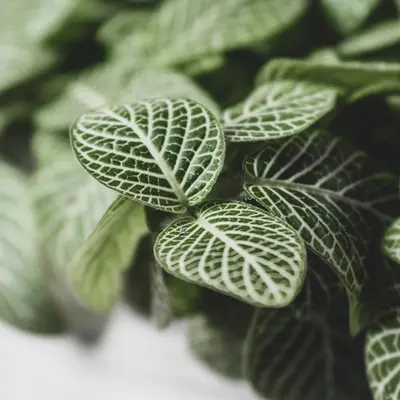
A compact architectural succulent featuring dark green triangular leaves adorned with distinctive white horizontal stripes that give it a zebra-like appearance. This small but striking plant forms tight rosettes and is perfect for beginners, tolerating lower light conditions better than most succulents. Its geometric beauty and manageable size make it ideal for desk gardens and small spaces.
Sun
Full sun to partial shade
Zones
9–11
USDA hardiness
Height
2-12 inches
Complete Growing Guide
Light: Full sun (6 or more hours of direct sunlight a day), Partial Shade (Direct sunlight only part of the day, 2-6 hours). Soil: Sand, Shallow Rocky. Soil pH: Neutral (6.0-8.0). Drainage: Good Drainage, Occasionally Dry. Height: 0 ft. 2 in. - 1 ft. 0 in.. Spread: 0 ft. 2 in. - 1 ft. 0 in.. Spacing: Less than 12 inches. Growth rate: Medium. Maintenance: Low. Propagation: Division, Leaf Cutting, Seed.
Harvesting
Capsule ovoid to oblong, 3-locular. Seeds with angles winged.
Type: Capsule.
Storage & Preservation
Zebra Plants are living succulents, not harvested produce, so traditional storage doesn't apply. Keep the potted plant in a cool, dry location (60-75°F) away from direct heat sources during dormancy. These plants are long-lived perennials; with proper care, individual rosettes persist for years. Propagation methods include: (1) Leaf propagation—detach healthy leaves, allow to callus for 3-5 days, then place on dry soil until roots form; (2) Offset division—separate mature offsets from the mother plant and replant in fresh succulent soil; (3) Seeds—sow in well-draining mix and maintain slight moisture until germination.
History & Origin
Haworthia fasciata, commonly known as Zebra Plant, originates from South Africa's Eastern Cape region, where it naturally inhabits rocky outcrops and arid environments. The species name "fasciata" derives from the Latin word for "banded," referencing its characteristic white striping. While the exact documentation of its initial cultivation and introduction to the horticultural trade remains somewhat sparse, this succulent has been a staple in the genus Haworthia for generations, cultivated and distributed by collectors and nurseries throughout the twentieth century. Its popularity as a houseplant accelerated significantly in recent decades due to its compact size, distinctive appearance, and reputation as an exceptionally low-maintenance specimen suitable for indoor gardening.
Origin: South Africa
Advantages
- +Striking white striped pattern adds instant architectural interest to any space
- +Tolerates lower light better than most succulents, ideal for desks
- +Compact size perfect for small spaces and container arrangements
- +Easy care makes it excellent for beginner plant parents
- +Forms attractive tight rosettes requiring minimal pruning or maintenance
Considerations
- -Susceptible to mealybugs and spider mites requiring regular pest monitoring
- -Root rot develops quickly from overwatering or poor drainage mistakes
- -Needs gritty, well-draining soil or it will experience leaf rot
- -Slow growing means minimal visual progress even with perfect care
Companion Plants
The best companions for Haworthia fasciata are plants that share its core requirement: infrequent, deep watering with fast-draining soil allowed to go completely dry between sessions. Jade Plant (Crassula ovata), Echeveria, Aloe Vera, and Burro's Tail (Sedum morganianum) all fit that profile. You can pot them in the same gritty cactus mix, run them on the same 2–3 week watering schedule, and none will be sitting wet while the others are still thirsty. Hens and Chicks (Sempervivum) and String of Pearls (Senecio rowleyanus) work for the same reason — compatible moisture needs, similar 6.0–7.0 pH tolerance, and shallow enough root systems that they don't compete in a dish garden or shared tray.
The harmful companions share one problem: they need soil that never fully dries out. Ferns, Impatiens, Peace Lily, and Mint all want consistent dampness — some want it outright wet. If you're watering to keep a Peace Lily from drooping, you're drenching your Haworthia's roots on a schedule that invites Pythium rot within a few weeks. There's no clever workaround here; the gap between "bone dry before watering" and "never let it dry out" is too wide to split. Group your Zebra Plant with other succulents and cacti, and the care schedule sorts itself out without any compromises.
Plant Together
Jade Plant
Similar water and light requirements, compatible growth habits
Aloe Vera
Matching drought tolerance and soil drainage needs
Echeveria
Complementary rosette form and identical care requirements
String of Pearls
Contrasting trailing habit creates visual interest with similar water needs
Burro's Tail
Compatible succulent with cascading growth that won't compete for space
Hens and Chicks
Low-growing habit provides ground cover without shading zebra plant
Christmas Cactus
Similar light preferences and complementary flowering periods
Crown of Thorns
Compatible drought tolerance and pest-repelling properties
Keep Apart
Ferns
Require high humidity and frequent watering that causes root rot in succulents
Impatiens
High water requirements and preference for moist soil conflicts with succulent needs
Mint
Aggressive spreading habit and high water needs incompatible with succulent care
Peace Lily
Needs consistently moist soil and high humidity that promotes succulent rot
Pests & Disease Resistance
Resistance
Generally disease-resistant when not overwatered
Common Pests
Mealybugs, scale insects, spider mites
Diseases
Root rot from overwatering, leaf rot from excess moisture
Troubleshooting Zebra Plant
What you'll see, why it happens, and what to do about it.
White, cottony clusters in the leaf axils or along the base of the plant
Likely Causes
- Mealybugs (Pseudococcidae) — common on indoor succulents, spread easily from new plants brought into the same space
- Low airflow and infrequent inspection letting colonies establish before you notice
What to Do
- 1.Dab individual bugs with a cotton swab soaked in 70% isopropyl alcohol — get into the tight spots between leaves
- 2.Follow up with a spray of diluted neem oil (2 tsp per quart of water) every 7 days for 3 weeks
- 3.Quarantine the plant from your other succulents immediately; mealybugs move between pots
Leaves turning soft, translucent, or mushy at the base, sometimes with a faint smell
Likely Causes
- Root rot from overwatering — Haworthia roots sit in wet soil and suffocate, leaving them open to Pythium or Fusarium infection
- Pot without drainage holes trapping water with nowhere to go
What to Do
- 1.Unpot the plant, cut off any black or brown mushy roots with clean scissors, and let it air-dry for 24–48 hours before repotting
- 2.Repot into fresh, gritty cactus mix in a clay pot with a drainage hole — clay wicks moisture away from roots faster than plastic
- 3.Water only when the top 2 inches of soil are bone dry; in most indoor conditions that's every 2–3 weeks in summer and once a month or less in winter
Tiny bronze or yellow stippling across the leaves, sometimes with faint webbing near the leaf tips
Likely Causes
- Spider mites (Tetranychus urticae) — thrive in hot, dry indoor air, especially in winter when heating systems pull humidity below 30%
- Dusty leaf surfaces that haven't been wiped down in months, giving mites a sheltered place to feed
What to Do
- 1.Rinse the plant under a gentle stream of lukewarm water to knock mites off physically, then let it dry completely before returning it to its spot
- 2.Apply insecticidal soap (1 tsp castile soap per quart of water) directly to affected areas every 5–7 days for 3 applications
- 3.A small pebble tray filled with water placed near the pot can nudge ambient humidity above 50%, where Tetranychus urticae reproduction slows noticeably