Snake Plant
Dracaena trifasciata
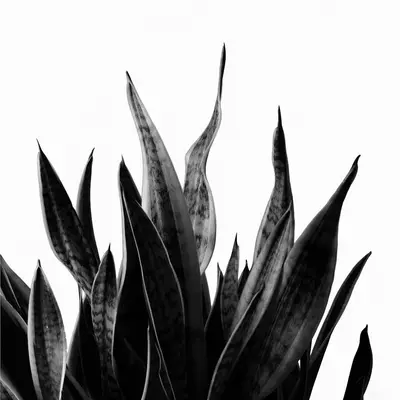
The nearly indestructible snake plant is famous for its striking upright sword-like leaves with distinctive yellow margins and dark green cross-banding. This West African native thrives on neglect and low light, making it the perfect choice for busy gardeners or those with challenging indoor growing conditions.
Sun
Partial shade
Zones
10–12
USDA hardiness
Height
2-4 feet
Complete Growing Guide
Light: Partial Shade (Direct sunlight only part of the day, 2-6 hours). Soil: Loam (Silt), Sand. Soil pH: Alkaline (>8.0), Neutral (6.0-8.0). Drainage: Good Drainage. Growth rate: Medium. Maintenance: Low. Propagation: Division, Stem Cutting.
Harvesting
The orange berry fruits appear after flowering, but they are rarely seen on indoor plants.
Color: Orange. Type: Berry.
Storage & Preservation
Snake plants are ornamental houseplants and do not require storage or preservation in the traditional sense. However, to maintain plant health, keep the potted plant in a cool, dry location away from direct sunlight. Store at temperatures between 60-75°F with low humidity to prevent root rot. If propagating from leaf cuttings, allow cut leaves to dry for 1-2 days before planting. For long-term preservation, propagate through division or leaf cuttings stored in dry perlite or sand mix. These methods ensure the plant can be rejuvenated or multiplied indefinitely.
History & Origin
Origin: West and West Central Africa
Advantages
- +Low maintenance
Considerations
- -Toxic (Flowers, Fruits, Leaves, Roots, Sap/Juice, Stems): Low severity
Companion Plants
Snake plants pair well with other low-water succulents and drought-tolerant houseplants because they share the same basic care logic — infrequent watering, well-draining soil, and tolerance for neglect. Aloe vera, jade plant, Haworthia, and ZZ plant are good neighbors for this reason: you can water the whole group on the same 2-4 week schedule without accidentally drowning something. Pothos and spider plant handle slightly more moisture but are forgiving enough to coexist without much fuss, and their roots tend to stay shallower than the snake plant's rhizomes, so there's little underground competition.
The problematic companions — ferns, impatiens, begonias, azaleas — all want consistently moist soil, which is exactly what kills a Dracaena trifasciata. Put them in the same pot or even the same watering rotation and you're choosing between root rot on one end and drought stress on the other. Azaleas compound the problem by preferring acidic soil around pH 4.5-5.5, well outside the 6.1-7.5 range a snake plant tolerates. Separate pots, separate schedules.
Plant Together
Aloe Vera
Similar water and light requirements, both drought-tolerant succulents
Jade Plant
Compatible watering schedule and prefers same bright, indirect light conditions
ZZ Plant
Both tolerate neglect and low light, similar minimal watering needs
Pothos
Thrives in similar indoor conditions and helps purify air alongside snake plant
Spider Plant
Both are low-maintenance air purifiers with similar light and temperature preferences
Rubber Tree
Compatible indoor growing conditions and both prefer to dry out between waterings
Haworthia
Fellow succulent with identical watering and drainage requirements
Peace Lily
Both are effective air purifiers and tolerate low to medium light conditions
Keep Apart
Ferns
Require consistently moist soil and high humidity, opposite of snake plant's dry conditions
Impatiens
Need frequent watering and rich, moist soil which can cause root rot in snake plants
Begonias
Require regular watering and humid conditions that promote fungal issues in succulents
Azaleas
Need acidic, consistently moist soil and high humidity, incompatible with succulent care
Pests & Disease Resistance
Resistance
Extremely resistant to diseases and pests
Common Pests
Spider mites, mealybugs, scale insects (rare)
Diseases
Root rot from overwatering, leaf spot in overly humid conditions
Troubleshooting Snake Plant
What you'll see, why it happens, and what to do about it.
Leaves developing soft, mushy brown patches at the base, sometimes with a foul smell
Likely Causes
- Root rot (Pythium or Fusarium spp.) — almost always caused by overwatering or a pot with no drainage hole
- Sitting in a saucer of standing water for more than a day or two
What to Do
- 1.Unpot the plant immediately and cut off any black or mushy roots with clean scissors
- 2.Let the root ball air-dry for 24 hours, then repot into fresh, well-draining cactus mix
- 3.Water no more than once every 3-4 weeks in winter; the top 2 inches of soil should be bone dry before you water again
Tiny webbing on leaf undersides, with stippled or faded patches on leaf surfaces
Likely Causes
- Spider mites (Tetranychus urticae) — thrive in dry indoor air, especially in heated rooms in winter
- Low humidity below 30% combined with infrequent leaf cleaning
What to Do
- 1.Wipe down both sides of every leaf with a damp cloth to physically remove mites and webbing
- 2.Apply insecticidal soap or neem oil solution, repeat every 7 days for 3 applications
- 3.Move the plant away from heat vents and group it with other plants to raise local humidity slightly
White cottony clusters in leaf axils or along leaf edges, leaves looking sticky or dull
Likely Causes
- Mealybugs (Pseudococcus longispinus or Planococcus citri) — common on indoor succulents, spread easily from new plants brought into the house
What to Do
- 1.Dab each visible cluster directly with a cotton swab soaked in 70% isopropyl alcohol
- 2.Follow up with a neem oil spray over the whole plant, including the soil surface, every 5-7 days for 3 weeks
- 3.Quarantine any new plants for at least 2 weeks before placing them near your existing collection
Frequently Asked Questions
How long does a snake plant live?▼
Is a snake plant good for beginners?▼
Can you grow a snake plant in containers?▼
What is the mature height of a snake plant?▼
How often should I water my snake plant?▼
Do snake plants purify indoor air?▼
Growing Guides from Wind River Greens
Sources & References
External authority sources used in compiling this guide.
- ExtensionNC State Extension
See the Methodology page for how this data is sourced, what's AI-assisted, and known limitations.