Iron Apricot
Matthiola incana
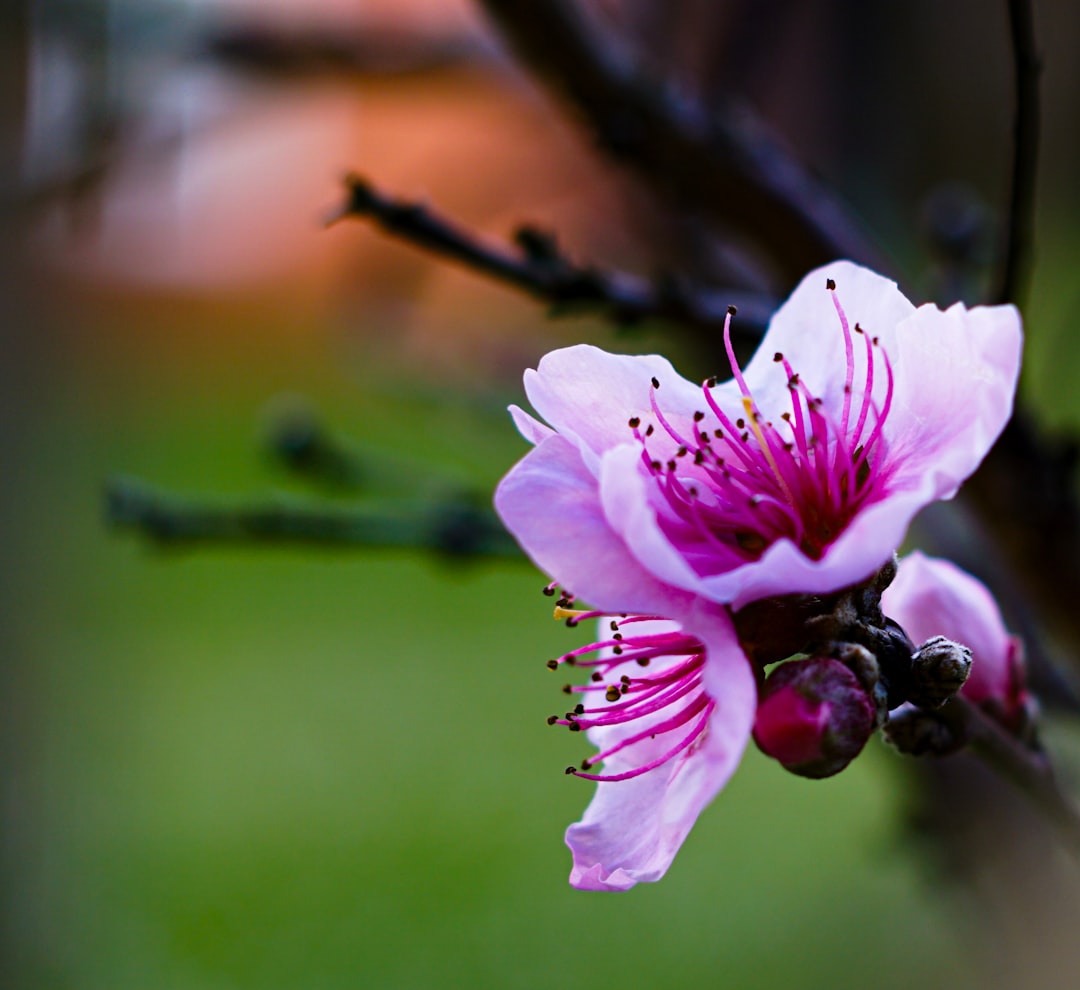
Early single-stem, or column-type stock in a highly uniform series for one-cut harvest. Aptly named for strong, straight, rigid stems. Iron performed well in our spring, early summer, and fall trials. Selectable for doubles and 55% double without selection. Compared to Katz, Iron is slightly later to flower, and has somewhat shorter and thicker stems. Tightly spaced florets on the flower spike make for compact 1 1/2-2", creamy peach-colored blooms with a full appearance. NOTE: This variety produces one flowering stem per plant. Pinching is not advisable as it will terminate flowering. Edible Flowers: The peppery, clove-like flavor of the flowers lends itself well to use as a garnish on salads, desserts, and drinks.
Harvest
90-105d
Days to harvest
Sun
Full sun to partial shade
Zones
6–10
USDA hardiness
Height
1-3 feet
Planting Timeline
Showing dates for Iron Apricot in USDA Zone 7
All Zone 7 flower →Zone Map
Click a state to update dates
Iron Apricot · Zones 6–10
Growing Details
Succession Planting
Stock (Matthiola incana) gives one main flush of bloom per plant, so the only way to extend your cut-flower window is to stagger your starts. In zone 7, run a first round of indoor sowing in early February, a second in early March, then direct sow a third round in mid-April once frost risk has passed. That spacing produces overlapping bloom windows from roughly late May through early July. Stop sowing once daytime highs are consistently at 80°F — stock initiates buds under cool conditions and tends to bolt straight to seed without blooming once sustained heat arrives.
Complete Growing Guide
Early single-stem, or column-type stock in a highly uniform series for one-cut harvest. Aptly named for strong, straight, rigid stems. Iron performed well in our spring, early summer, and fall trials. Selectable for doubles and 55% double without selection. Compared to Katz, Iron is slightly later to flower, and has somewhat shorter and thicker stems. Tightly spaced florets on the flower spike make for compact 1 1/2-2", creamy peach-colored blooms with a full appearance. NOTE: This variety produces one flowering stem per plant. Pinching is not advisable as it will terminate flowering. Edible Flowers: The peppery, clove-like flavor of the flowers lends itself well to use as a garnish on salads, desserts, and drinks. According to Johnny's Selected Seeds, Iron Apricot is 90 - 105 days to maturity, annual, open pollinated. Notable features: Use for Cut Flowers and Bouquets, Edible Flowers, Fragrant.
Light: Full sun (6 or more hours of direct sunlight a day), Partial Shade (Direct sunlight only part of the day, 2-6 hours). Soil: Clay, High Organic Matter, Loam (Silt), Sand. Soil pH: Alkaline (>8.0), Neutral (6.0-8.0). Drainage: Good Drainage, Moist. Height: 1 ft. 0 in. - 3 ft. 0 in.. Spread: 0 ft. 9 in. - 1 ft. 6 in.. Spacing: Less than 12 inches, 12 inches-3 feet. Growth rate: Rapid. Maintenance: Low. Propagation: Seed. Regions: Coastal, Mountains.
Harvesting
Iron Apricot reaches harvest at 90 - 105 days from sowing per Johnny's Selected Seeds. Expect 1 1/2-2" at peak. As an annual, harvest continues until frost ends the season.
Seeds will ripen in August and September.
Harvest time: Fall
Storage & Preservation
Fresh Iron Apricot flowers are best stored in the refrigerator in a tall glass of water, as they are cut flowers. Keep at 35-40°F with moderate humidity for 7-10 days shelf life. For preservation, air dry the flower spikes by hanging them upside down in a well-ventilated space away from direct sunlight for 2-3 weeks, then store in airtight containers. Alternatively, freeze flowers on a tray before transferring to freezer bags for up to 3 months, or press blooms between parchment paper under heavy weight for 1-2 weeks to create dried flower arrangements and keepsakes.
History & Origin
Iron Apricot is open-pollinated, meaning seed saved from healthy plants will produce true-to-type offspring. Listed in the Johnny's Selected Seeds catalog.
Origin: The Coast of Europe from Spain to Greece.
Advantages
- +Single strong stem ideal for one-cut commercial harvest operations
- +Excellent uniformity across spring, summer, and fall growing seasons
- +Compact 1.5-2 inch blooms with creamy peach color look full
- +Naturally produces 55% doubles without selection or extra work
- +Edible peppery-clove flowers add culinary value to dishes
Considerations
- -Produces only one flowering stem per plant, limiting yield
- -Slightly later to flower than Katz variety, extending production time
- -Cannot be pinched without terminating the single flowering stem
- -Shorter and thicker stems than Katz may limit some arrangements
Companion Plants
Lavender and yarrow are the most practical companions here — both attract predatory wasps and hoverflies that keep aphid pressure down on stock's tender new growth, and neither competes hard at the root level given stock's relatively shallow profile. Marigolds, particularly French types like 'Petite Harmony', add pest-confusion value along a border and sit in roughly the same 12–18 inch height range, so they don't shade stock out. Chives are worth tucking in nearby; their sulfur compounds are thought to deter soft-bodied insects. Give stock a wide berth from black walnut — juglone leaches through the soil and causes wilting and dieback in many annuals — and skip fennel entirely, which chemically inhibits its neighbors and is a poor companion for nearly everything in a cut-flower bed.
Plant Together
Lavender
Repels aphids, moths, and other pests while attracting beneficial pollinators
Marigolds
Natural pest deterrent against nematodes and aphids, attracts beneficial insects
Chives
Repels aphids and improves soil health, compatible root systems
Nasturtiums
Acts as trap crop for aphids and cucumber beetles, attracts beneficial predatory insects
Comfrey
Deep roots bring nutrients to surface, provides potassium and acts as living mulch
Borage
Attracts pollinators and beneficial insects, may improve disease resistance
Yarrow
Attracts beneficial insects and improves soil health through dynamic accumulation
Dill
Attracts beneficial wasps and predatory insects that control harmful pests
Keep Apart
Black Walnut
Produces juglone which is toxic to many fruit trees and can stunt growth
Fennel
Allelopathic properties inhibit growth of most companion plants
Eucalyptus
Releases allelopathic compounds that suppress growth of nearby plants
Troubleshooting Iron Apricot
What you'll see, why it happens, and what to do about it.
Seedlings collapse at the soil line, stems pinched and brown at the base
Likely Causes
- Damping off — most often Pythium or Rhizoctonia fungi thriving in wet, poorly drained mix
- Overwatering combined with low airflow around seedling trays
What to Do
- 1.Ditch the affected seedlings immediately — they won't recover
- 2.Water only when the top 1/2 inch of mix is dry, and run a small fan near your trays
- 3.Start the next batch in a sterile seed-starting mix rather than reused garden soil
Leaves develop gray, powdery coating — usually showing up after plants have been in the ground 6+ weeks
Likely Causes
- Powdery mildew (Erysiphe cruciferarum or related species) — common on Brassica-family plants including stock, especially when nights cool down and plants are crowded
What to Do
- 1.Thin or space plants to the full 12–18 inches so air moves between stems
- 2.Spray affected foliage with a diluted neem oil solution (2 tsp per quart of water) every 7 days until symptoms stop spreading
- 3.Avoid overhead watering in the evening — drip irrigation or morning watering only
Buds fail to open or blooms are stunted and distorted, with small clusters of soft-bodied insects on new growth
Likely Causes
- Aphid infestation — green peach aphid (Myzus persicae) is a frequent offender on stock
- Heavy feeding on tender shoot tips before buds can fully develop
What to Do
- 1.Blast stems and buds with a strong stream of water to knock aphids off — do this 2–3 mornings in a row
- 2.Apply insecticidal soap (follow label dilution, usually around 2%) directly to colonies; reapply every 5–7 days
- 3.Check for ants farming the aphid colonies — controlling ant access to stems with a sticky barrier tape can slow reinfestation
Frequently Asked Questions
How long do Iron Apricot flowers last in a vase?▼
Is Iron Apricot stock easy to grow for beginners?▼
Can you grow Iron Apricot in containers?▼
What does Iron Apricot taste like and how is it used?▼
When should I plant Iron Apricot seeds?▼
Is Iron Apricot stock better than Katz variety?▼
Zone-by-Zone Planting Calendar
| Zone | Indoor Start | Transplant | Direct Sow | Harvest |
|---|---|---|---|---|
| Zone 3 | April – May | June – July | June – August | — |
| Zone 4 | March – April | June – June | June – July | — |
| Zone 5 | March – April | May – June | May – July | — |
| Zone 6 | March – April | May – June | May – July | — |
| Zone 7 | February – March | April – May | April – June | — |
| Zone 8 | February – March | April – May | April – June | — |
| Zone 9 | January – February | March – April | March – May | — |
| Zone 10 | January – January | February – March | February – April | — |
| Zone 1 | May – June | July – August | July – September | — |
| Zone 2 | April – May | June – July | June – August | — |
| Zone 11 | January – January | January – February | January – March | — |
| Zone 12 | January – January | January – February | January – March | — |
| Zone 13 | January – January | January – February | January – March | — |
Growing Guides from Wind River Greens
Sources & References
External authority sources used in compiling this guide.
- BreederJohnny's Selected Seeds
See the Methodology page for how this data is sourced, what's AI-assisted, and known limitations.