QIS™ Purple
Gomphrena globosa
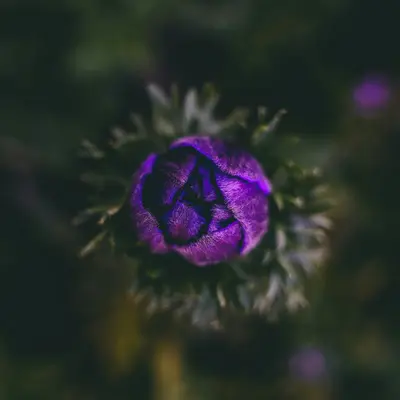
1 1/2" blooms on long stems. We have found the QIS™ (Quality in Seed) Series to be a good choice for cut-flower production for its stem quality, length, and uniformity. Also known as globe amaranth and common globe amaranth.
Harvest
85-100d
Days to harvest
Sun
Full sun to partial shade
Zones
2–11
USDA hardiness
Height
12-24 inches
Planting Timeline
Showing dates for QIS™ Purple in USDA Zone 7
All Zone 7 flower →Zone Map
Click a state to update dates
QIS™ Purple · Zones 2–11
Growing Details
Succession Planting
Gomphrena runs 85 to 100 days from transplant, but once it starts flowering it keeps going until frost — provided you keep cutting it. A single planting handles most situations. If you want staggered peaks for cut-flower production, start one indoor tray in February and a second in March, then transplant them 4-6 weeks apart in spring; you'll get overlapping flushes from midsummer through October. Skip a late-June direct sow in zone 7 or warmer — there's not enough season left to hit 85 days before frost risk returns in the fall.
Complete Growing Guide
Light: Full sun (6 or more hours of direct sunlight a day), Partial Shade (Direct sunlight only part of the day, 2-6 hours). Drainage: Good Drainage, Occasionally Dry. Height: 1 ft. 0 in. - 2 ft. 0 in.. Spread: 0 ft. 6 in. - 1 ft. 0 in.. Spacing: Less than 12 inches. Growth rate: Medium. Maintenance: Low. Propagation: Seed. Regions: Coastal, Mountains, Piedmont.
Harvesting
QIS™ Purple reaches harvest at 85 - 100 days from sowing per Johnny's Selected Seeds. Expect 1 1/2" at peak. As an annual, harvest continues until frost ends the season.
This is an ornamental variety — not grown for harvest. Enjoy in the garden landscape.
Storage & Preservation
For fresh globe amaranth blooms, store upright in a vase with water at room temperature (65-72°F) in a cool location away from direct sunlight and ripening fruit. Keep humidity moderate and change water every 2-3 days; blooms will last 10-14 days. For preservation, air-dry by hanging bundles upside-down in a warm, well-ventilated space for 2-3 weeks to retain color and form—ideal for dried arrangements. Alternatively, press flowers between paper under weights for 1-2 weeks to create flat specimens for crafts or herbals. Silica gel drying (5-7 days) offers faster results while maintaining vibrant purple coloration.
History & Origin
Origin: Mexico to Brazil
Advantages
- +Attracts: Butterflies, Pollinators
- +Low maintenance
Companion Plants
Sweet alyssum and marigolds are the most practical neighbors here. Alyssum draws in parasitic wasps and hoverflies that prey on aphids — and since gomphrena does attract aphid pressure, that's a functional pairing, not just a pretty one. Marigolds (particularly Tagetes patula) deter whiteflies and root-knot nematodes through root secretions. Keep fennel well away — it's broadly allelopathic and suppresses a wide range of annuals planted within a foot or two of it. Black walnut trees produce juglone, a compound that moves through the soil and is toxic to many plants, so don't site gomphrena anywhere near one.
Plant Together
Sweet Alyssum
Attracts beneficial insects and provides ground cover while complementing purple flowers
Marigolds
Repels nematodes and aphids while providing contrasting color to purple blooms
Nasturtiums
Acts as trap crop for aphids and adds vibrant color contrast to purple flowers
Petunias
Repels aphids, tomato hornworms, and other pests while creating colorful mixed plantings
Lavender
Attracts pollinators and repels moths, fleas, and mosquitoes with complementary purple tones
Zinnia
Attracts beneficial insects and butterflies while providing excellent cut flower combinations
Parsley
Attracts beneficial wasps and hoverflies that control aphids and other pests
Cosmos
Attracts beneficial insects and provides airy texture contrast to dense flower heads
Keep Apart
Black Walnut Trees
Produces juglone toxin that inhibits growth and can kill sensitive flowering plants
Eucalyptus
Releases allelopathic compounds that suppress growth of nearby flowering plants
Fennel
Produces allelopathic chemicals that inhibit germination and growth of most flowering companions
Troubleshooting QIS™ Purple
What you'll see, why it happens, and what to do about it.
Seedlings collapse at soil level, stems look pinched or water-soaked near the base
Likely Causes
- Damping off — usually Pythium or Rhizoctonia fungi thriving in cold, wet, poorly-drained starting mix
- Overwatering before seedlings have established any root system
What to Do
- 1.Ditch the affected tray — there's no saving collapsed seedlings once damping off takes hold
- 2.Start fresh with sterile seed-starting mix, not garden soil or old potting mix
- 3.Bottom-water only, and let the surface dry out between waterings; keep germination temps above 70°F
Leaves develop small, irregular tan or gray spots with dark borders, spreading across the canopy in humid weather
Likely Causes
- Cercospora leaf spot (Cercospora gomphrenae) — a fungal disease that spreads through overhead watering and rain splash
- Overcrowded spacing that traps humidity between plants
What to Do
- 1.Strip and trash the worst-affected leaves; don't compost them
- 2.Water at the base, not overhead, and do it in the morning so foliage dries before nightfall
- 3.Give plants the full 18-24 inches of spacing — it makes a real difference in humid summers
Tiny, slow-moving clusters of soft-bodied insects on new growth; stems may look sticky or have a shiny film
Likely Causes
- Aphids (often Myzus persicae or related species) — they congregate on tender new growth and secrete honeydew
- Ants farming the aphid colonies and discouraging natural predators like ladybugs
What to Do
- 1.Knock them off with a firm spray of water from a hose — repeat every 2-3 days until the population crashes
- 2.If that's not working, apply insecticidal soap directly to the colonies, coating the undersides of leaves
- 3.Check for ant trails at the base; if ants are working the stems, address them too or the aphids will keep coming back
Plant looks healthy but produces almost no blooms, or flower output drops sharply after the first flush
Likely Causes
- Not deadheading — gomphrena slows production when old heads are left to go to seed
- Too much nitrogen from heavy fertilizing, which pushes leafy growth at the expense of flowers
- Insufficient sun — less than 4 hours of direct light noticeably cuts bloom output
What to Do
- 1.Deadhead or harvest blooms on a regular cycle; cutting every 7-10 days keeps the plant pushing new buds
- 2.Back off the fertilizer — a light side-dress of balanced 10-10-10 at planting is usually enough for the full season
- 3.Move containers to a sunnier spot, or note the bed location for next year and choose a site with 6+ hours of direct light
Frequently Asked Questions
How long do QIS Purple globe amaranth flowers last in a vase?▼
Is QIS Purple globe amaranth good for beginners?▼
Can you grow globe amaranth in containers?▼
When should I plant QIS Purple globe amaranth seeds?▼
What's the difference between globe amaranth and celosia as cut flowers?▼
How far apart should I space QIS Purple globe amaranth plants?▼
Zone-by-Zone Planting Calendar
| Zone | Indoor Start | Transplant | Direct Sow | Harvest |
|---|---|---|---|---|
| Zone 3 | April – May | June – July | June – August | — |
| Zone 4 | March – April | June – June | June – July | — |
| Zone 5 | March – April | May – June | May – July | — |
| Zone 6 | March – April | May – June | May – July | — |
| Zone 7 | February – March | April – May | April – June | — |
| Zone 8 | February – March | April – May | April – June | — |
| Zone 9 | January – February | March – April | March – May | — |
| Zone 10 | January – January | February – March | February – April | — |
| Zone 1 | May – June | July – August | July – September | — |
| Zone 2 | April – May | June – July | June – August | — |
| Zone 11 | January – January | January – February | January – March | — |
| Zone 12 | January – January | January – February | January – March | — |
| Zone 13 | January – January | January – February | January – March | — |
Growing Guides from Wind River Greens
Sources & References
External authority sources used in compiling this guide.
- BreederJohnny's Selected Seeds
See the Methodology page for how this data is sourced, what's AI-assisted, and known limitations.