Shungiku
Glebionis coronaria
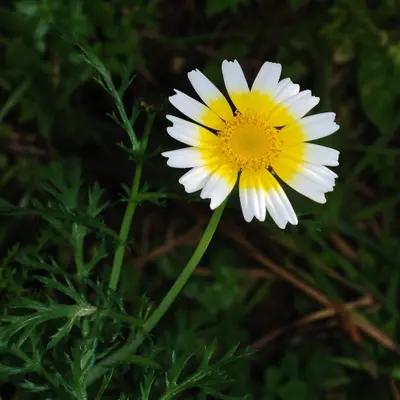
Shungiku, also known as Japanese chrysanthemum greens, is a tender leafy green with delicate, feathery foliage and slender stems. This heirloom variety reaches harvest maturity in approximately 30 days. The leaves are bright green and aromatic, with a distinctive peppery flavor complemented by subtle anise and chrysanthemum floral notes. Shungiku is prized in Japanese and East Asian cuisines for both its unique taste and nutritional value, commonly used in soups, stir-fries, and salads. The tender texture and herb-like character make it a standout addition to fresh dishes.
Harvest
30d
Days to harvest
Sun
Part sun
Zones
1–11
USDA hardiness
Height
12-18 inches
Planting Timeline
Showing dates for Shungiku in USDA Zone 7
All Zone 7 lettuce →Zone Map
Click a state to update dates
Shungiku · Zones 1–11
Growing Details
Succession Planting
Direct sow every 14 days from March 1 through early May in zone 7, then stop when daytime highs start consistently hitting 80–85°F — shungiku bolts fast in heat and the leaves turn bitter before you get a chance to cut them. Pick back up with a fresh sowing in late August through September as temperatures drop, and you can expect to harvest well into November. Each planting reaches first cut in only 30 days, so even a sowing on September 20th finishes before a hard frost ends things.
Two or three successions per season is realistic — a March sowing, a follow-up 14 days behind it, and one fall planting. The summer gap is real and not worth fighting. Let the bed rest or run a quick radish crop through it instead.
Complete Growing Guide
Growing Shungiku (Glebionis coronaria) lettuce. Light: Part sun. Hardy in USDA zones 1 to 11. Days to maturity: 30. Difficulty: Easy.
Harvesting
Ready for harvest in 30 days from sowing or transplant. Harvest at peak ripeness for best flavor and storage life. Pick regularly to encourage continued production where applicable.
Storage & Preservation
# Storage and Preservation
Freshly harvested shungiku keeps best in a breathable plastic bag or paper towel-lined container stored at 32–40°F with 90–95% humidity, ideally in your refrigerator's crisper drawer. Under these conditions, expect 7–10 days of acceptable quality before the leaves begin to yellow and wilt noticeably.
For preservation, freezing works reasonably well: blanch leaves briefly in boiling water for 2–3 minutes, cool in ice water, drain thoroughly, and pack into freezer bags or containers. Frozen shungiku retains decent flavor for up to three months and works best in cooked dishes like soups and stir-fries rather than fresh applications.
Drying is also viable—hang bunches in a warm, well-ventilated space or use a dehydrator at low heat until crispy, then crumble and store in airtight jars. Dried shungiku intensifies the distinctive peppery-bitter flavor and stores for several months.
Because shungiku's aromatic oils diminish quickly after harvest, use fresh leaves within the first 2–3 days for maximum peppery punch in salads and garnishes.
History & Origin
Glebionis coronaria, formerly called Chrysanthemum coronarium, is a species of flowering plant in the family Asteraceae. It is native to the Mediterranean region. It is cultivated and naturalized in East Asia and in scattered locations in North America.
Advantages
- +Easy to grow — beginner-friendly
- +Quick harvest — ready in about 30 days
- +Wide hardiness — grows in USDA zones 1-11
Companion Plants
Radishes and carrots are the most practical neighbors for shungiku. Radishes germinate in 5–7 days and break up the top inch of soil crust, which helps shungiku's shallower roots get established — and you'll pull the radishes around day 25, right before the shungiku needs the full 4–6 inch spacing anyway. Carrots occupy deeper soil and don't compete much at the surface level where shungiku feeds. Both tolerate the part-sun exposures where shungiku performs best, so you're not fighting each other for light.
Marigolds (Tagetes spp.) and nasturtiums pull their weight by disrupting the aphids and flea beetles that will find your shungiku by week two. With nasturtiums, it's less about repelling and more about drawing aphids onto themselves as a trap crop, pulling pressure off the main planting. Chives or garlic planted nearby add allium sulfur compounds to the mix, which have a decent track record against whiteflies — a recurring problem in the Georgia Piedmont once July humidity settles in.
Fennel is genuinely allelopathic to most vegetables and will stunt shungiku's growth if planted within a few feet. Broccoli is a worse neighbor than it looks — it competes directly for the same shallow moisture, and its canopy can tip a part-sun situation into too much shade during the weeks shungiku needs to put on leaf mass. Keep brassicas in a separate bed entirely.
Plant Together
Carrots
Different root depths prevent competition, carrots help loosen soil for lettuce
Nasturtiums
Act as trap crop for aphids and cucumber beetles
Dill
Attracts beneficial insects like ladybugs and parasitic wasps
Radishes
Break up soil for lettuce roots and mature quickly, creating space
Chives
Repel aphids and other soft-bodied insects that damage lettuce
Garlic
Natural pest deterrent against slugs, snails, and aphids
Marigolds
Repel nematodes and aphids while attracting beneficial insects
Spinach
Similar growing requirements and can be intercropped effectively
Keep Apart
Broccoli
Competes for similar nutrients and space, can shade out lettuce
Fennel
Strong allelopathic effects that stunt growth of most vegetables including lettuce
Sunflowers
Allelopathic compounds inhibit lettuce germination and growth
Nutrition Facts
Per 100g serving. % Daily Value based on 2,000 calorie diet. Source: USDA FoodData Central (FDC #2346388)
Pests & Disease Resistance
Common Pests
Aphids, flea beetles, whiteflies
Diseases
Powdery mildew, damping-off in seedlings
Troubleshooting Shungiku
What you'll see, why it happens, and what to do about it.
Seedlings collapse at soil level within the first 7–10 days of germination — stems pinch off or rot at the base, sometimes with a fuzzy white mold visible on the soil surface
Likely Causes
- Damping-off — typically Pythium or Rhizoctonia spp. — a fungal complex that thrives in cold, wet, poorly-draining soil
- Overwatering or soil that stays saturated after germination
- Reusing contaminated soil or trays without sterilizing between seasons
What to Do
- 1.Don't replant into the same bed immediately — NC State's IPM guidelines recommend diagnosing the root cause first and rotating out of affected soil for at least one season
- 2.Use fresh seed-starting mix or pasteurized compost for direct sowing; avoid heavy clay that holds water around stems
- 3.Water in the morning so the soil surface dries by evening, and thin seedlings to 4–6 inches so air can move between them
Leaves develop a white powdery coating, usually starting on older foliage, in late spring as temperatures climb past 75°F
Likely Causes
- Powdery mildew — most likely Erysiphe cichoracearum or a related composite-family strain — spreads by airborne spores in warm conditions with poor airflow
- Overcrowded planting that traps humidity around the canopy
What to Do
- 1.Harvest aggressively — shungiku hits first-cut at 30 days, so if you're seeing mildew, you may already be late; take the outer leaves and open up the plant
- 2.Remove and trash (don't compost) any heavily coated leaves
- 3.A diluted neem oil spray (2 tsp per quart of water) applied in early morning can slow spread, but won't reverse damage already done
Frequently Asked Questions
How long does Shungiku take to grow from seed to harvest?▼
What does Shungiku taste like?▼
Is Shungiku good for beginners?▼
Can you grow Shungiku in containers?▼
What are the culinary uses for Shungiku?▼
When should I plant Shungiku seeds?▼
Zone-by-Zone Planting Calendar
| Zone | Indoor Start | Transplant | Direct Sow | Harvest |
|---|---|---|---|---|
| Zone 1 | — | — | June – July | July – September |
| Zone 2 | — | — | May – July | June – September |
| Zone 11 | — | — | January – February | January – December |
| Zone 12 | — | — | January – February | January – December |
| Zone 13 | — | — | January – February | January – December |
| Zone 3 | — | — | May – June | June – October |
| Zone 4 | — | — | April – June | May – October |
| Zone 5 | — | — | April – May | May – November |
| Zone 6 | — | — | April – May | May – November |
| Zone 7 | — | — | March – May | April – November |
| Zone 8 | — | — | March – April | April – December |
| Zone 9 | — | — | February – March | March – December |
| Zone 10 | — | — | January – March | February – December |
Growing Guides from Wind River Greens
Sources & References
External authority sources used in compiling this guide.
- BreederJohnny's Selected Seeds
- USDAUSDA FoodData Central
See the Methodology page for how this data is sourced, what's AI-assisted, and known limitations.