Chantilly™ Purple
Antirrhinum majus
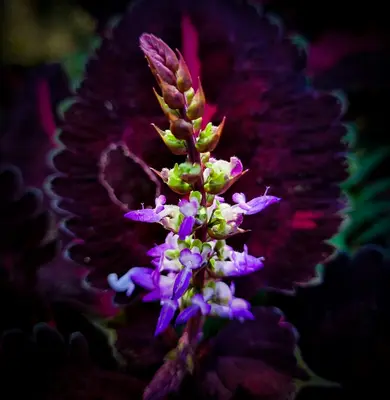
Group 1-2: Performs best under short days and low temperatures. Because Chantilly snapdragons are bred for short-day production, long-day growing conditions produce stems that are thin and weak. We do not recommend this variety for long-day production. Suitable for greenhouse or in the field. Bloom color is a vibrant, deep, rosy purple. Edible Flowers: The flowers are a colorful garnish for use in salads, desserts, and drinks. The flavor is floral and slightly bitter, so use sparingly.
Harvest
100-110d
Days to harvest
Sun
Full sun to partial shade
Zones
7–10
USDA hardiness
Height
0-3 feet
Planting Timeline
Showing dates for Chantilly™ Purple in USDA Zone 7
All Zone 7 flower →Zone Map
Click a state to update dates
Chantilly™ Purple · Zones 7–10
Growing Details
Succession Planting
Chantilly Purple snapdragons are a warm-season annual, but a single planting will keep blooming for weeks if you deadhead consistently — snap spent stems back to a lateral bud, not just the flower. For a continuous supply of fresh stems, start a second round of seeds indoors 6-8 weeks after your first sowing, or put a second direct sow in the ground in late April after your transplants are established. Two waves, staggered by about six weeks, cover most of the usable season.
Stop sowing once daytime highs are reliably above 80°F. Snapdragons stall in heat and new transplants set out in summer just sit there looking resentful. In zones 9-10, an August indoor start followed by a September transplant often outperforms the spring crop — cooler fall nights bring out better color and the stems hold longer on the plant.
Complete Growing Guide
Group 1-2: Performs best under short days and low temperatures. Because Chantilly snapdragons are bred for short-day production, long-day growing conditions produce stems that are thin and weak. We do not recommend this variety for long-day production. Suitable for greenhouse or in the field. Bloom color is a vibrant, deep, rosy purple. Edible Flowers: The flowers are a colorful garnish for use in salads, desserts, and drinks. The flavor is floral and slightly bitter, so use sparingly. According to Johnny's Selected Seeds, Chantilly™ Purple is 100 - 110 days to maturity, annual, hybrid (f1). Notable features: Greenhouse Performer, Use for Cut Flowers and Bouquets, Edible Flowers, Fragrant.
Light: Full sun (6 or more hours of direct sunlight a day), Partial Shade (Direct sunlight only part of the day, 2-6 hours). Soil: High Organic Matter. Drainage: Good Drainage. Height: 0 ft. 6 in. - 3 ft. 0 in.. Spread: 0 ft. 6 in. - 0 ft. 10 in.. Spacing: Less than 12 inches. Growth rate: Medium. Maintenance: Medium.
Harvesting
Chantilly™ Purple reaches harvest at 100 - 110 days from sowing per Johnny's Selected Seeds. As an annual, harvest continues until frost ends the season.
A capsule, half hidden by calyx lobes, short-beaked.
Type: Capsule. Length: 1-3 inches.
Storage & Preservation
Fresh Chantilly™ Purple snapdragons keep 7-10 days in a cool room (60-65°F) or 10-14 days refrigerated at 35-40°F in a vase with floral preservative changed every 2-3 days. Keep away from ethylene-producing fruits and ripening agents. Remove any submerged foliage to prevent bacterial decay.
For preservation, air-dry stems by hanging them upside-down in small bundles in a dark, well-ventilated space for 2-3 weeks—color remains vibrant and flowers retain shape for months. For culinary preservation, freeze individual blooms on a tray before transferring to airtight bags; use within 3 months for garnish applications. Alternatively, press flowers between parchment paper under heavy books for 1-2 weeks to create flat, dried specimens suitable for craft projects, pressed flower art, or decoration. Dried flowers are not suitable for consumption.
History & Origin
Chantilly™ Purple is an F1 hybrid developed through controlled cross-pollination. Listed in the Johnny's Selected Seeds catalog.
Origin: Southwestern Europe
Advantages
- +Vibrant deep rosy purple blooms create striking visual impact in arrangements
- +Edible flowers offer unique culinary garnish for upscale plating applications
- +Performs reliably in short-day greenhouse production with consistent results
- +Relatively easy to grow with moderate difficulty rating for growers
- +100-110 day timeline allows reasonable production schedule planning
Considerations
- -Long-day conditions produce thin, weak stems unsuitable for commercial use
- -Not recommended for summer production in long-day growing regions
- -Floral flavor is slightly bitter, requiring restraint in culinary applications
- -Limited to cool season production due to short-day breeding requirements
Companion Plants
Marigolds and sweet alyssum are the most useful companions here. Tagetes patula (French marigold) emits limonene and other volatile compounds that confuse aphids and thrips mid-flight — the same insects that go straight for snapdragon buds. Sweet alyssum planted as a low border 6-8 inches out draws hoverflies and parasitic wasps that clean up aphid colonies before they get established. Nasturtiums pull double duty: they act as a trap crop, pulling aphids off your Chantilly stems onto themselves, and their shallow roots don't compete with snapdragons for the moisture sitting in the top 12 inches of soil.
Black walnut and eucalyptus need to stay well away. Walnut roots and decomposing leaf litter release juglone, which interferes with a plant's ability to respire at the cellular level — snapdragons are sensitive enough that even proximity to walnut leaf mulch can cause collapse. Eucalyptus drops allelopathic oils that suppress root development in nearby annuals. Sunflowers are a softer concern, but they're aggressive feeders and can quietly outcompete shallower plants for both moisture and nitrogen when planted closer than 3 feet.
Plant Together
Marigolds
Repel aphids, whiteflies, and nematodes while attracting beneficial insects
Sweet Alyssum
Attracts beneficial insects like hoverflies and parasitic wasps for pest control
Nasturtiums
Act as trap crop for aphids and cucumber beetles, drawing pests away
Lavender
Repels moths, fleas, and mosquitoes while attracting pollinators
Catmint
Deters ants, aphids, and rodents while attracting beneficial pollinators
Zinnia
Attracts ladybugs, butterflies, and other beneficial insects for natural pest control
Cosmos
Attracts beneficial insects and provides structural support without competing for nutrients
Parsley
Attracts beneficial insects like hoverflies and parasitic wasps
Keep Apart
Black Walnut
Produces juglone, a toxic compound that inhibits growth of many flowering plants
Eucalyptus
Releases allelopathic chemicals that suppress growth of nearby plants
Sunflowers
Release allelopathic compounds and compete aggressively for water and nutrients
Pests & Disease Resistance
Common Pests
Aphids, spider mites, thrips
Diseases
Rust, powdery mildew, root rot in waterlogged soil
Troubleshooting Chantilly™ Purple
What you'll see, why it happens, and what to do about it.
Leaves and stems covered in orange-brown powdery pustules, usually appearing mid-season
Likely Causes
- Antirrhinum rust (Puccinia antirrhini) — a fungal pathogen specific to snapdragons, spreads via airborne spores
- Crowded spacing under 12 inches that traps humidity around foliage
What to Do
- 1.Pull and bag any heavily infected stems immediately — don't compost them
- 2.Apply a sulfur-based fungicide on a 7-10 day rotation, starting before symptoms spread to upper leaves
- 3.Space plants at least 12-18 inches apart and water at the base, not overhead
Stunted new growth, distorted buds, and sticky residue on stems and leaves
Likely Causes
- Aphid colonies (commonly Myzus persicae or Macrosiphum euphorbiae) feeding on soft new tissue
- Thrips (Frankliniella occidentalis) rasping flower buds before they open
What to Do
- 1.Blast aphids off with a firm stream of water — do this early morning so foliage dries before evening
- 2.For persistent thrips, apply spinosad spray directly to buds every 5-7 days until new growth looks clean
- 3.Plant sweet alyssum nearby to draw in parasitic wasps that prey on both pests
Wilting despite moist soil, with stems turning brown or mushy at the soil line
Likely Causes
- Root rot caused by Phytophthora or Pythium spp. — both thrive in waterlogged, poorly drained beds
- Overwatering in heavy clay soil that doesn't shed water between waterings
What to Do
- 1.Pull the plant and check the roots — if they're brown and slimy all the way up, the plant is done; remove it and don't replant snapdragons in that spot this season
- 2.Amend beds with coarse perlite or pine bark to improve drainage before the next planting
- 3.Water only when the top inch of soil is dry, and never let pots or beds sit in standing water
Frequently Asked Questions
How long does Chantilly™ Purple snapdragon take to grow from seed to flower?▼
Is Chantilly™ Purple snapdragon good for beginners?▼
Can you grow Chantilly™ Purple snapdragon in containers or pots?▼
What do Chantilly™ Purple snapdragon flowers taste like?▼
When should I plant Chantilly™ Purple snapdragon seeds?▼
Why does my Chantilly™ Purple snapdragon have thin, weak stems?▼
Zone-by-Zone Planting Calendar
| Zone | Indoor Start | Transplant | Direct Sow | Harvest |
|---|---|---|---|---|
| Zone 3 | April – May | June – July | June – August | — |
| Zone 4 | March – April | June – June | June – July | — |
| Zone 5 | March – April | May – June | May – July | — |
| Zone 6 | March – April | May – June | May – July | — |
| Zone 7 | February – March | April – May | April – June | — |
| Zone 8 | February – March | April – May | April – June | — |
| Zone 9 | January – February | March – April | March – May | — |
| Zone 10 | January – January | February – March | February – April | — |
| Zone 1 | May – June | July – August | July – September | — |
| Zone 2 | April – May | June – July | June – August | — |
| Zone 11 | January – January | January – February | January – March | — |
| Zone 12 | January – January | January – February | January – March | — |
| Zone 13 | January – January | January – February | January – March | — |
Growing Guides from Wind River Greens
Sources & References
External authority sources used in compiling this guide.
- BreederJohnny's Selected Seeds
See the Methodology page for how this data is sourced, what's AI-assisted, and known limitations.