Monstera Deliciosa
Monstera deliciosa
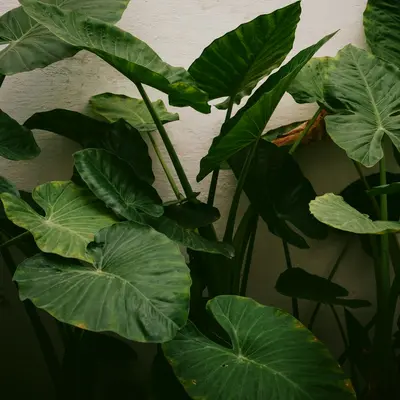
The iconic 'Swiss cheese plant' that has taken the houseplant world by storm with its dramatic split leaves and natural fenestrations. Native to Central America's rainforests, this climbing aroid develops increasingly impressive holes and splits as it matures, creating living artwork in your home. It's surprisingly easy to care for and grows quickly, making it perfect for plant enthusiasts who love to see rapid progress.
Sun
Partial shade
Zones
10–12
USDA hardiness
Difficulty
Easy
Complete Growing Guide
Light: Dappled Sunlight (Shade through upper canopy all day), Partial Shade (Direct sunlight only part of the day, 2-6 hours). Soil: High Organic Matter, Loam (Silt). Soil pH: Neutral (6.0-8.0). Drainage: Good Drainage, Moist. Spacing: 6-feet-12 feet. Growth rate: Rapid. Maintenance: Medium. Propagation: Layering, Stem Cutting.
Harvesting
This plant produces an aggregate of creamy-white berries covered by green hexagonal "scales"; the fruit is ripe once the scale covering it falls off naturally. These berries are edible and taste like a mixture of banana and pineapple. Rarely produces fruit as a houseplant.
Color: Cream/Tan, Green, White. Type: Aggregate, Berry. Length: > 3 inches. Width: 1-3 inches.
Garden value: Edible
Edibility: Only ripe fruits are edible and are used to flavor drinks and ice cream or are eaten fresh. Some people are allergic.
Storage & Preservation
Fresh Monstera cuttings should be processed immediately after harvesting for the highest success rate. If you can't propagate right away, place cut stems in water and keep in bright, indirect light—they'll remain viable for several days this way.
For leaf storage, freshly cut Monstera leaves make dramatic additions to floral arrangements and will last 5-7 days in water. Change the water every 2-3 days and trim the stem ends to extend vase life.
You can press mature Monstera leaves for botanical art projects—choose fully fenestrated leaves for the most dramatic effect. Place between absorbent paper and heavy books for 4-6 weeks until completely dried. The iconic split-leaf pattern creates stunning pressed specimens that maintain their shape well when properly dried and stored in acid-free materials.
History & Origin
Origin: Mexico to Panama
Advantages
- +Edible: Only ripe fruits are edible and are used to flavor drinks and ice cream or are eaten fresh. Some people are allergic.
- +Fast-growing
Considerations
- -Toxic (Bark, Flowers, Fruits, Leaves, Roots, Seeds, Stems): Low severity
- -Causes contact dermatitis
Companion Plants
The companions that pair well with Monstera deliciosa do so mostly for practical growing-condition reasons, not pest chemistry. Pothos, philodendron, peace lily, and Boston fern all want similar things: indirect light, moderate watering, and humidity above 50%. Grouping them together raises ambient humidity through shared transpiration — multiple plants exhaling moisture in the same corner genuinely moves the needle on a hygrometer, sometimes by 10-15%. Around here in the Georgia Piedmont, indoor air gets brutally dry once the heat kicks on in November, so plant clustering in that one good north or east-facing room actually matters more than people expect. Snake plant and ZZ plant tolerate the same light levels and won't compete for resources, though they want water far less often than monstera — just don't let their drought preference pull you into underwatering the whole corner.
The problem companions come down to mismatched care, full stop. Fiddle leaf figs (Ficus lyrata) are hair-trigger sensitive to humidity swings and drafts; park one next to a monstera and you'll end up compromising the conditions for both trying to find a middle ground that suits neither. Succulents and cacti are the starker mismatch — they need 6 or more hours of direct sun, coarse fast-draining soil with a pH closer to 6.0-7.0 on the drier end, and air that monstera would find punishing. These aren't plants that tolerate different conditions with a little adjustment; their requirements point in opposite directions. Put them in separate rooms and both groups do better.
Plant Together
Pothos
Similar care requirements and humidity needs, creates lush tropical grouping
Philodendron
Compatible watering schedule and light preferences, both benefit from increased humidity
Peace Lily
Thrives in similar indirect light conditions and helps maintain ambient humidity
Boston Fern
Increases humidity levels through transpiration, prefers similar moisture conditions
Rubber Plant
Compatible light and watering needs, both prefer bright indirect light
Snake Plant
Tolerates lower light areas where Monstera might be placed, different watering needs prevent overwatering
ZZ Plant
Complementary care requirements and both tolerate neglect well
Spider Plant
Similar humidity preferences and both benefit from consistent moisture
Keep Apart
Fiddle Leaf Fig
Requires more consistent bright light and is sensitive to humidity changes that benefit Monstera
Succulents
Require well-draining soil and infrequent watering, opposite of Monstera's moisture needs
Cacti
Need dry conditions and bright direct light, incompatible with Monstera's tropical requirements
Pests & Disease Resistance
Resistance
Generally disease resistant with proper care
Common Pests
Spider mites, scale insects, mealybugs, thrips
Diseases
Root rot from overwatering, bacterial leaf spot
Troubleshooting Monstera Deliciosa
What you'll see, why it happens, and what to do about it.
Tiny webbing on leaf undersides, with stippled or bronzed leaf surfaces
Likely Causes
- Spider mites (Tetranychus urticae) — thrive in hot, dry indoor air, especially in winter when heating systems run constantly
- Low humidity below 40%
What to Do
- 1.Wipe down both sides of every leaf with a damp cloth, then spray with insecticidal soap — repeat every 5-7 days for 3 weeks
- 2.Set the pot on a pebble tray filled with water, or run a humidifier nearby to keep humidity above 50%
- 3.Isolate the plant immediately so mites don't spread to neighboring philodendrons or pothos
Yellowing lower leaves, soggy soil that smells musty, and roots that are brown and mushy when you unpot
Likely Causes
- Root rot from overwatering — the most common kill on monsteras, usually from watering on a fixed schedule rather than checking the soil
- Poorly draining potting mix that stays wet too long (e.g., dense all-purpose soil without perlite)
What to Do
- 1.Unpot the plant, cut off all brown mushy roots with clean scissors, and let the root ball air-dry for an hour before repotting
- 2.Mix in 20-30% perlite with your potting medium and make sure the container has a drainage hole — no exceptions
- 3.Water only when the top 1-2 inches of soil are dry; in low-light winter conditions that might mean every 10-14 days
Sticky residue on leaves and stems, with small brown bumps or white cottony clusters along the nodes
Likely Causes
- Scale insects (various Coccidae) — the brown bumps are the armored shells
- Mealybugs (Pseudococcidae) — the cottony clusters, often hiding in leaf axils and stem joints
What to Do
- 1.Dab individual mealybug clusters with a cotton swab dipped in 70% isopropyl alcohol, then follow up with neem oil spray across the whole plant
- 2.Scrape scale off with an old toothbrush, then apply horticultural oil — check every week for a month because eggs survive the first treatment
- 3.Quarantine the affected plant for at least 3 weeks before returning it near other houseplants