Variegated Sage
Salvia officinalis 'Tricolor'
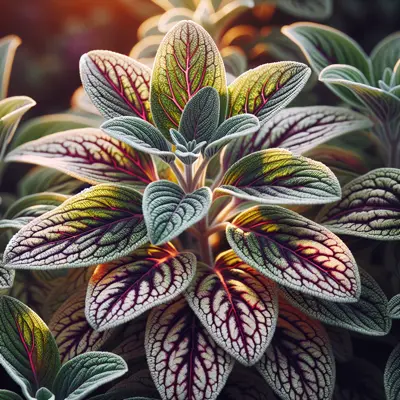
A stunning ornamental sage variety featuring leaves splashed with cream, green, and purple-pink variegation that creates a beautiful tapestry effect in the garden. This compact, slower-growing sage maintains all the culinary qualities of common sage while adding exceptional visual appeal to herb gardens and containers. The colorful foliage is especially vibrant in cooler weather.
Harvest
75-90d
Days to harvest
Sun
Full sun to partial shade
Zones
4–8
USDA hardiness
Height
12-24 inches
Planting Timeline
Showing dates for Variegated Sage in USDA Zone 7
All Zone 7 herb →Zone Map
Click a state to update dates
Variegated Sage · Zones 4–8
Growing Details
Complete Growing Guide
Variegated Sage thrives in full sun with excellent drainage, where its tricolor foliage displays maximum vibrancy—particularly in cooler fall and spring months when leaf coloration intensifies. Plant in spring after frost danger passes, spacing 18-24 inches apart to accommodate mature spread. This cultivar grows slower than common sage, so patience during establishment is essential; resist heavy harvesting in the first season to build a sturdy root system. Provide lean, well-draining soil to prevent root rot, a primary concern in humid climates. Unlike aggressive sage varieties, Variegated Sage rarely bolts and maintains compact growth without excessive pruning, though light spring trimming encourages bushiness. Watch for spider mites in dry conditions and root diseases in waterlogged soil. A practical strategy: deadhead spent purple-pink flowers promptly to redirect energy toward leaf production and maintain ornamental appeal throughout the season.
Light: Full sun (6 or more hours of direct sunlight a day), Partial Shade (Direct sunlight only part of the day, 2-6 hours). Soil: Loam (Silt), Sand, Shallow Rocky. Soil pH: Neutral (6.0-8.0). Drainage: Good Drainage, Occasionally Dry. Height: 1 ft. 0 in. - 2 ft. 0 in.. Spread: 2 ft. 0 in. - 3 ft. 0 in.. Spacing: 12 inches-3 feet, 3 feet-6 feet. Growth rate: Medium. Maintenance: Medium. Propagation: Layering, Seed, Stem Cutting. Regions: Coastal, Mountains, Piedmont.
Harvesting
Harvest variegated sage when the leaves display their most vibrant cream, green, and purple-pink coloration, typically reaching peak visual intensity in cooler months. Leaves are ready when they feel firm and substantial between your fingers, measuring at least two to three inches long. For continuous harvesting throughout the season, pinch off the top one-third of stems regularly, which encourages bushier growth and prevents the plant from becoming leggy. Alternatively, take a single heavier harvest in early fall when the foliage reaches maximum color depth and the plant has established sufficient reserves. Avoid harvesting more than one-third of the plant at once, as this slower-growing cultivar requires adequate foliage to maintain vigor and produce the ornamental display that distinguishes it from standard sage varieties.
Schizocarp has 4 lobes with 1 seed each. It separates to form 4 nutlets.
Color: Black. Type: Schizocarp. Length: < 1 inch. Width: < 1 inch.
Edibility: Leaves as a flavoring, in tea, seasoning for meat, vegetable and egg dishes and for poultry stuffings.
Storage & Preservation
Freshly harvested Variegated Sage keeps best in the refrigerator at 35-40°F in a perforated plastic bag or loosely wrapped in damp paper towels, where it will maintain quality for up to two weeks. For longer storage, freezing is ideal: chop leaves, pack into ice cube trays with a little water or olive oil, then transfer frozen cubes to freezer bags for up to three months of convenient portioning.
Drying is the traditional preservation method and works exceptionally well with this variety. Hang bundles upside down in a warm, airy space out of direct sunlight for one to two weeks until leaves crumble easily, then store in airtight containers away from light. Dried Variegated Sage retains its flavor for at least a year.
The variegated foliage of this cultivar fades somewhat during drying, so if appearance matters for your use—such as for garnish or herb butter—freeze fresh leaves instead to preserve their distinctive cream and purple coloring.
History & Origin
Variegated Sage (Salvia officinalis 'Tricolor') descends from the Mediterranean culinary sage lineage, with its ornamental variegation likely arising from natural mutations or deliberate selection within European herb-growing traditions. While specific breeding records and introduction dates remain undocumented in readily available horticultural literature, this cultivar emerged through the broader development of decorative sage varieties in the twentieth century, alongside similar cultivars like 'Icterina' (golden sage). Like most Salvia officinalis selections, it reflects centuries of European cultivation and refinement, where gardeners selectively propagated distinctive foliage patterns in wild sage populations. The variety gained popularity through specialty seed companies and nurseries catering to ornamental herb gardeners seeking dual-purpose plants.
Origin: Northern Mediterranean
Advantages
- +Stunning ornamental foliage with cream, green, and purple-pink variegation adds garden visual interest
- +Maintains full culinary sage flavor while being significantly more decorative than common sage
- +Compact, slow-growing habit makes it perfect for containers and small herb gardens
- +Foliage color intensifies in cooler weather, providing seasonal visual appeal
- +Retains all traditional sage culinary uses with slightly milder, nuanced flavor profile
Considerations
- -More susceptible to root rot than common sage, requiring careful watering management
- -Slower growth rate means longer wait for harvestable foliage compared to standard sage varieties
- -Variegated foliage makes plants more prone to powdery mildew in humid conditions
- -Spider mites and whiteflies frequently target the delicate variegated leaves indoors
Companion Plants
Rosemary, thyme, oregano, and lavender are the natural grouping for 'Tricolor' sage — all four prefer lean, well-drained soil and full sun, so they won't pull the bed toward the consistently moist, fertile conditions that tip sage toward root rot and powdery mildew. Near cabbage and carrots, sage's volatile oils (primarily thujone and camphor) may disrupt host-finding by cabbage moths and carrot flies, though the evidence is more observational than controlled. Skip cucumber: cucurbits want regular moisture and a heavier feed schedule, which is the opposite of what 'Tricolor' needs to stay healthy past midsummer.
Plant Together
Rosemary
Similar growing conditions and aromatic oils deter pests mutually
Thyme
Compatible water and soil needs, both repel cabbage worms
Oregano
Attracts beneficial insects and has similar Mediterranean growing requirements
Lavender
Repels moths and flies, thrives in similar dry, well-draining conditions
Tomatoes
Sage deters tomato hornworms and may improve tomato flavor
Cabbage
Sage repels cabbage moths and flea beetles that damage brassicas
Carrots
Sage helps repel carrot flies while carrots don't compete for nutrients
Beans
Beans fix nitrogen in soil while sage doesn't require high nitrogen
Onions
Onions deter aphids and other pests that might affect sage
Keep Apart
Cucumber
Sage can inhibit cucumber growth and development through allelopathic compounds
Rue
Both plants release strong allelopathic compounds that can inhibit each other's growth
Nutrition Facts
Per 100g serving. % Daily Value based on 2,000 calorie diet. Source: USDA FoodData Central (FDC #170935)
Pests & Disease Resistance
Resistance
Good disease resistance, sensitive to wet conditions
Common Pests
Spider mites, aphids, whiteflies
Diseases
Root rot, powdery mildew, fungal leaf spots in humid conditions
Troubleshooting Variegated Sage
What you'll see, why it happens, and what to do about it.
Stems rotting at soil level, lower leaves wilting and turning brown despite adequate water
Likely Causes
- Root rot — typically Pythium or Phytophthora species thriving in waterlogged, poorly drained soil
- Planting in heavy clay or a low spot that holds moisture after rain
What to Do
- 1.Pull the plant and check the roots — if they're brown and mushy past the crown, the plant is done; toss it, don't compost it
- 2.Amend the bed with coarse grit or perlite before replanting, or move to a raised bed with sharp drainage
- 3.Water only when the top 2 inches of soil are dry; established 'Tricolor' sage handles drought fine and doesn't need regular irrigation
White powdery coating on leaves, starting on upper leaf surfaces, typically mid to late summer
Likely Causes
- Powdery mildew — a fungal disease that spreads by airborne spores and tends to flare when nights cool below 60°F after warm days
- Tight spacing or low-airflow planting pockets that trap humidity around the foliage
What to Do
- 1.Cut back affected stems by about one-third and dispose of the clippings in the trash, not the compost pile
- 2.Spray a preventive mix of 1 tablespoon baking soda plus 1 tablespoon summer horticultural oil per gallon of water every 3 to 5 days — NC State Extension's organic disease management guidance notes the oil acts as a surfactant and improves leaf coverage
- 3.Space plants at least 18 inches apart so air moves through freely; 'Tricolor' sage packed in tighter is asking for mildew problems in humid summers
Stippled, bronzed, or dusty-looking leaves with fine webbing on the undersides, especially during hot dry stretches
Likely Causes
- Spider mites (Tetranychus urticae) — populations build fast above 85°F, particularly on plants already under drought stress
- Dusty, dry conditions around the planting that favor mite reproduction
What to Do
- 1.Hit the undersides of leaves with a strong jet of water to knock mite colonies down — do it in the morning so foliage dries before nightfall
- 2.Follow up with insecticidal soap or neem oil applied to leaf undersides; repeat every 5 to 7 days for at least two applications
- 3.Give the plant a deep soak once a week during heat spells — drought stress is what lets mite populations get ahead of you
Frequently Asked Questions
How long does variegated sage take to grow from transplant?▼
Can you grow variegated sage in containers?▼
Does variegated sage taste different from regular sage?▼
Why is my variegated sage turning all green?▼
Is variegated sage good for beginners?▼
When should I plant variegated sage?▼
Zone-by-Zone Planting Calendar
Growing Guides from Wind River Greens
Sources & References
External authority sources used in compiling this guide.
See the Methodology page for how this data is sourced, what's AI-assisted, and known limitations.