Rosanne 2 Clear Green
Eustoma grandiflorum
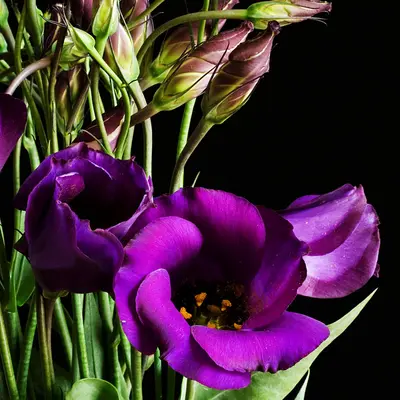
Wikimedia Commons via Eustoma russellianum
Pistachio-green blooms are 2-2 1/2" wide, deeply layered and lightly ruffled. Flowers are a truer green than Rosanne Green, which is closer to a green-gold hue. Group 2, for early spring to summer harvest. Lisianthus is also known as prairie gentian, Texas bluebell, and showy prairie gentian. Pelleted seeds.
Harvest
140-150d
Days to harvest
Sun
Full sun to partial shade
Zones
8–10
USDA hardiness
Height
1-3 feet
Planting Timeline
Showing dates for Rosanne 2 Clear Green in USDA Zone 7
All Zone 7 flower →Zone Map
Click a state to update dates
Rosanne 2 Clear Green · Zones 8–10
Growing Details
Complete Growing Guide
Pistachio-green blooms are 2-2 1/2" wide, deeply layered and lightly ruffled. Flowers are a truer green than Rosanne Green, which is closer to a green-gold hue. Group 2, for early spring to summer harvest. Lisianthus is also known as prairie gentian, Texas bluebell, and showy prairie gentian. Pelleted seeds. According to Johnny's Selected Seeds, Rosanne 2 Clear Green is 140 - 150 days to maturity, annual, hybrid (f1). Notable features: Greenhouse Performer, Use for Cut Flowers and Bouquets.
Light: Full sun (6 or more hours of direct sunlight a day), Partial Shade (Direct sunlight only part of the day, 2-6 hours). Soil: Loam (Silt), Sand. Drainage: Good Drainage, Moist. Height: 1 ft. 0 in. - 3 ft. 0 in.. Spread: 0 ft. 9 in. - 1 ft. 0 in.. Maintenance: High. Propagation: Seed.
Harvesting
Rosanne 2 Clear Green reaches harvest at 140 - 150 days from sowing per Johnny's Selected Seeds. Expect 2-2 1/2" at peak. As an annual, harvest continues until frost ends the season.
This is an ornamental variety — not grown for harvest. Enjoy in the garden landscape.
Storage & Preservation
Keep cut Rosanne 2 Clear Green flowers in a clean vase with cool water (60–65°F) and commercial flower food. Change water every 2–3 days and re-cut stems at a 45-degree angle. Vase life typically reaches 7–10 days when kept cool and away from ripening fruit (ethylene-sensitive). Store cut flowers in the refrigerator at 35–40°F if you need to hold them before arranging—they'll keep for 3–5 additional days in cold storage.
For preservation, air-dry flowers by hanging them upside down in a dark, warm, well-ventilated space (ideal for dried arrangements lasting months). Glycerin treatment produces softer, flexible dried flowers: stand stems in a 1:3 glycerin-to-water solution for 2–3 weeks. Silica gel drying preserves color most vividly but requires careful handling. Frozen lisianthus (shock-frozen for commercial use) is rarely practical for home gardeners, as thawed flowers lose structural integrity.
History & Origin
Rosanne 2 Clear Green is an F1 hybrid developed through controlled cross-pollination. Listed in the Johnny's Selected Seeds catalog.
Origin: Nebraska south to Texas.
Advantages
- +True pistachio-green blooms offer distinctive color unavailable in other varieties
- +Deeply layered, ruffled flowers create premium visual appeal for arrangements
- +140-150 day timeline allows early spring through summer harvest windows
- +Easy cultivation difficulty makes it accessible to beginning and experienced growers
- +Pelleted seeds improve handling and spacing accuracy during planting
Considerations
- -Lisianthus requires consistent moisture and humidity to prevent bud drop
- -Group 2 classification limits flexibility for growers needing year-round production
- -Green coloring may appeal to niche markets rather than mainstream florists
Companion Plants
Marigolds and sweet alyssum are the most practical companions for lisianthus. French marigolds (Tagetes patula) produce root secretions that suppress soil nematodes, and both crops draw in parasitic wasps and hoverflies that keep aphid and thrips populations in check — exactly the insects that target lisianthus buds before they open. Zinnias and cosmos fill a similar role without competing hard for moisture; since they're cut-flower crops themselves, you're not burning bed space on something that doesn't pull its weight. Lavender is worth slipping in nearby — whiteflies seem to avoid it, and lisianthus shares its preference for good drainage and full sun.
Black walnut is the one plant to site well away from. Juglone moves through the soil from walnut roots and fallen leaf debris, and lisianthus — already slow to establish over its 140–150 day run — doesn't recover from that kind of chemical stress. Sunflowers are allelopathic too, releasing germination-inhibiting compounds, and a 3–4 foot sunflower stalk will shade a 1–3 foot lisianthus into the ground before it ever blooms.
Plant Together
Marigolds
Repel aphids, whiteflies, and nematodes while attracting beneficial insects
Sweet Alyssum
Attracts beneficial insects like lacewings and provides ground cover
Nasturtiums
Act as trap crops for aphids and cucumber beetles while deterring squash bugs
Petunias
Repel aphids, tomato hornworms, and squash bugs with natural chemicals
Lavender
Deters moths, fleas, and mosquitoes while attracting pollinators
Zinnia
Attracts beneficial predatory insects and provides complementary colors
Cosmos
Attracts beneficial insects and provides vertical interest without competition
Catnip
Repels ants, aphids, and cabbage loopers more effectively than DEET
Keep Apart
Black Walnut
Produces juglone toxin that inhibits growth and can kill sensitive plants
Eucalyptus
Releases allelopathic compounds that suppress growth of nearby plants
Sunflowers
Compete aggressively for nutrients and water, may inhibit smaller plants
Pests & Disease Resistance
Common Pests
Aphids, thrips, whiteflies
Diseases
Powdery mildew, root rot, gray mold (Botrytis)
Troubleshooting Rosanne 2 Clear Green
What you'll see, why it happens, and what to do about it.
Soft, water-soaked stem at or just below the soil line, plant wilting even when soil is moist
Likely Causes
- Root rot (Pythium or Phytophthora spp.) — triggered by waterlogged soil or pots without adequate drainage
- Overwatering combined with heavy, compacted growing mix
What to Do
- 1.Pull the plant and inspect roots — black or brown mushy roots confirm rot; there's no saving a badly rotted stem
- 2.Going forward, amend beds with perlite or coarse grit and never let lisianthus sit in standing water
- 3.Water deeply but infrequently; let the top inch of soil dry slightly between waterings
White powdery coating on upper leaf surfaces, usually appearing mid-season when nights cool down
Likely Causes
- Powdery mildew (Erysiphe cichoracearum) — favored by warm days and cool, humid nights with poor airflow
- Crowded spacing under 12 inches that traps moisture around foliage
What to Do
- 1.Thin plants to at least 12 inches apart and remove any overlapping foliage at the base
- 2.Apply a potassium bicarbonate-based spray (follow label rates) at the first sign of white patches — it won't reverse existing damage but stops spread
- 3.Water at the base, not overhead, and do it in the morning so foliage dries before nightfall
Tiny silvery streaks or stippling on petals and new leaves, flowers distorted or failing to open fully
Likely Causes
- Western flower thrips (Frankliniella occidentalis) — especially bad during dry stretches
- Aphid colonies on tender growing tips, which also leave sticky honeydew that draws sooty mold
What to Do
- 1.Check buds and the undersides of young leaves with a hand lens — thrips run about 1–2 mm and are visible if you look closely
- 2.Knock aphids off with a firm spray of water early in the morning; repeat every 3–4 days for two weeks
- 3.For persistent thrips pressure, apply spinosad-based insecticide per label directions; avoid spraying open blooms to protect pollinators
Frequently Asked Questions
How long does Rosanne 2 Clear Green take to grow from seed to flower?▼
Is Rosanne 2 Clear Green good for beginner gardeners?▼
Can you grow Rosanne 2 Clear Green in containers?▼
What's the difference between Rosanne 2 Clear Green and Rosanne Green?▼
How often should I water Rosanne 2 Clear Green?▼
When should I plant Rosanne 2 Clear Green seeds?▼
Zone-by-Zone Planting Calendar
| Zone | Indoor Start | Transplant | Direct Sow | Harvest |
|---|---|---|---|---|
| Zone 1 | May – June | July – August | July – September | — |
| Zone 2 | April – May | June – July | June – August | — |
| Zone 11 | January – January | January – February | January – March | — |
| Zone 12 | January – January | January – February | January – March | — |
| Zone 13 | January – January | January – February | January – March | — |
| Zone 3 | April – May | June – July | June – August | — |
| Zone 4 | March – April | June – June | June – July | — |
| Zone 5 | March – April | May – June | May – July | — |
| Zone 6 | March – April | May – June | May – July | — |
| Zone 7 | February – March | April – May | April – June | — |
| Zone 8 | February – March | April – May | April – June | — |
| Zone 9 | January – February | March – April | March – May | — |
| Zone 10 | January – January | February – March | February – April | — |
Growing Guides from Wind River Greens
Sources & References
External authority sources used in compiling this guide.
- BreederJohnny's Selected Seeds
See the Methodology page for how this data is sourced, what's AI-assisted, and known limitations.