Raspberry Cream
Gomphrena globosa
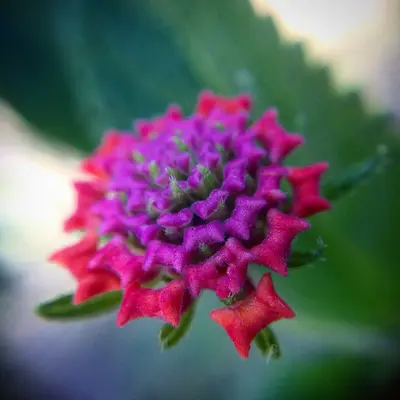
Uniform, productive plants. Very similar to QIS™ Pink but with a darker, richer color. 1 1/2" blooms. Also known as globe amaranth and common globe amaranth.
Harvest
85-100d
Days to harvest
Sun
Full sun to partial shade
Zones
2–11
USDA hardiness
Height
12-24 inches
Planting Timeline
Showing dates for Raspberry Cream in USDA Zone 7
All Zone 7 flower →Zone Map
Click a state to update dates
Raspberry Cream · Zones 2–11
Growing Details
Succession Planting
Gomphrena is a cut-and-come-again flower, but it doesn't behave like lettuce — you won't get a flush of new plants from a single sowing. Each plant just keeps blooming if you keep cutting, so succession here means staggering your sowings to extend the cutting window and protect against a bad germination batch. Start seeds indoors in February or March (soil temp 70–75°F), direct sow again in April, and put in one more round in late May. That spreads your plants across different maturity stages through the summer.
Stop direct sowing by early June in zone 7. Seeds started after that germinate fine, but the plants won't reach the 85–100 day mark before frost cuts them down. Your May sowing is the one that carries you into October — don't skip it.
Complete Growing Guide
Uniform, productive plants. Very similar to QIS™ Pink but with a darker, richer color. 1 1/2" blooms. Also known as globe amaranth and common globe amaranth. According to Johnny's Selected Seeds, Raspberry Cream is 85 - 100 days to maturity, annual, open pollinated. Notable features: Grows Well in Containers, Use for Cut Flowers and Bouquets, Ideal for Drying and Crafts.
Light: Full sun (6 or more hours of direct sunlight a day), Partial Shade (Direct sunlight only part of the day, 2-6 hours). Drainage: Good Drainage, Occasionally Dry. Height: 1 ft. 0 in. - 2 ft. 0 in.. Spread: 0 ft. 6 in. - 1 ft. 0 in.. Spacing: Less than 12 inches. Growth rate: Medium. Maintenance: Low. Propagation: Seed. Regions: Coastal, Mountains, Piedmont.
Harvesting
Raspberry Cream reaches harvest at 85 - 100 days from sowing per Johnny's Selected Seeds. Expect 1 1/2" at peak. As an annual, harvest continues until frost ends the season.
This is an ornamental variety — not grown for harvest. Enjoy in the garden landscape.
Storage & Preservation
For fresh blooms, store in a cool location (60-65°F) with moderate humidity. Raspberry Cream flowers last 1-2 weeks in a vase with fresh water changed every 2-3 days. For longer preservation, dry flowers by hanging bundles upside down in a dark, well-ventilated space for 2-3 weeks, creating long-lasting dried arrangements. Alternatively, press flowers between heavy books or parchment paper for 1-2 weeks to preserve them flat for crafts. Freeze flowers in ice cubes with water for decorative use in beverages.
History & Origin
Raspberry Cream is open-pollinated, meaning seed saved from healthy plants will produce true-to-type offspring. Listed in the Johnny's Selected Seeds catalog.
Origin: Mexico to Brazil
Advantages
- +Uniform growth habit makes planning garden layouts straightforward and predictable
- +Productive blooming ensures continuous flowers throughout the 85-100 day season
- +Darker, richer raspberry color provides distinctive visual appeal versus similar varieties
- +1.5 inch blooms offer substantial size for cutting and arrangement purposes
- +Easy difficulty level suits beginner and experienced gardeners equally well
Considerations
- -Requires warm temperatures; struggles in cool or short growing seasons
- -Globular blooms may shatter or deteriorate quickly in heavy rain
- -Globe amaranth typically attracts spider mites in hot, dry conditions
Companion Plants
Marigolds (especially Tagetes patula) and zinnias make practical neighbors for Raspberry Cream — they pull in predatory wasps and hoverflies that knock back aphid populations, and all three want the same full-sun, warm-season conditions, so you're not juggling conflicting needs. Sweet alyssum planted at the bed edges does similar work, drawing beneficial insects with its small flowers while staying low enough not to shade the gomphrena. In our zone 7 Georgia gardens, cosmos pairs naturally too: both are cut-and-come-again, both go in after last frost, and a mixed row gives you something worth harvesting every few days from July into October.
Black walnut is the clearest plant to avoid nearby. It produces juglone — a chemical that leaches from roots and decomposing hulls into surrounding soil — and while gomphrena isn't as dramatically sensitive as tomatoes, the stunted growth isn't worth finding out about firsthand. Fennel is the other one to keep well separated; it releases compounds that broadly suppress nearby annuals, and it doesn't play well with much of anything in a cutting garden. Put fennel in its own corner and leave it there.
Plant Together
Marigolds
Repel aphids, whiteflies, and nematodes while attracting beneficial insects
Sweet Alyssum
Attracts beneficial insects like lacewings and provides ground cover
Nasturtiums
Act as trap crop for aphids and cucumber beetles, attract pollinators
Lavender
Repels moths, fleas, and mosquitoes while attracting bees and butterflies
Petunias
Repel aphids, tomato hornworms, and squash bugs
Cosmos
Attract beneficial insects and provide structural support
Zinnias
Attract pollinators and beneficial predatory insects like ladybugs
Catmint
Repels ants, aphids, and rodents while attracting beneficial pollinators
Keep Apart
Black Walnut
Produces juglone toxin that inhibits growth and can kill sensitive plants
Eucalyptus
Releases allelopathic compounds that suppress nearby plant growth
Fennel
Inhibits growth of most garden plants through allelopathy
Troubleshooting Raspberry Cream
What you'll see, why it happens, and what to do about it.
Seedlings damping off at soil level — stem pinches to a thread, plant collapses — in the first 2 weeks after germination
Likely Causes
- Pythium or Rhizoctonia fungi thriving in overly wet, poorly drained seed-starting mix
- Trays kept too cool (below 70°F) slowing germination while pathogens stay active
What to Do
- 1.Use a fresh, sterile seed-starting mix — not garden soil or old potting mix from last year
- 2.Keep soil temps between 70–75°F with a heat mat and don't water again until the top of the mix is dry to the touch
- 3.If damping off appears, pull the affected seedlings immediately and improve airflow with a small fan on low
Leaves develop pale, stippled patches and you can see fine webbing on the undersides, usually in hot dry spells
Likely Causes
- Two-spotted spider mite (Tetranychus urticae) — populations explode when temps exceed 90°F and humidity is low
- Plants stressed from underwatering, which makes them more susceptible
What to Do
- 1.Spray the undersides of leaves forcefully with water every 2–3 days to knock mites off and disrupt their life cycle
- 2.Apply insecticidal soap or neem oil in the evening — not in full afternoon sun — and repeat every 5–7 days for 3 applications
- 3.Keep plants adequately watered during heat stretches; drought-stressed gomphrena draws mites faster
Stems and leaves covered in a white powdery coating late in the season, usually August onward
Likely Causes
- Powdery mildew (Erysiphe or Golovinomyces species) — airborne fungal spores that spread in warm days with cool nights and poor airflow
- Overcrowded planting that prevents air circulation between plants
What to Do
- 1.Space plants at least 12 inches apart — closer than that and you're asking for trouble in a humid summer
- 2.Apply a baking soda spray (1 tablespoon baking soda + 1 teaspoon dish soap per gallon of water) at first sign, weekly
- 3.Late-season mildew on gomphrena is mostly cosmetic; if the plant is still throwing blooms, just keep cutting
Frequently Asked Questions
How long do Raspberry Cream flowers last once cut?▼
Is Raspberry Cream globe amaranth good for beginner gardeners?▼
Can you grow Raspberry Cream in containers?▼
What color are Raspberry Cream flowers?▼
When should I plant Raspberry Cream seeds?▼
How long does it take Raspberry Cream to bloom?▼
Zone-by-Zone Planting Calendar
| Zone | Indoor Start | Transplant | Direct Sow | Harvest |
|---|---|---|---|---|
| Zone 3 | April – May | June – July | June – August | — |
| Zone 4 | March – April | June – June | June – July | — |
| Zone 5 | March – April | May – June | May – July | — |
| Zone 6 | March – April | May – June | May – July | — |
| Zone 7 | February – March | April – May | April – June | — |
| Zone 8 | February – March | April – May | April – June | — |
| Zone 9 | January – February | March – April | March – May | — |
| Zone 10 | January – January | February – March | February – April | — |
| Zone 1 | May – June | July – August | July – September | — |
| Zone 2 | April – May | June – July | June – August | — |
| Zone 11 | January – January | January – February | January – March | — |
| Zone 12 | January – January | January – February | January – March | — |
| Zone 13 | January – January | January – February | January – March | — |
Growing Guides from Wind River Greens
Sources & References
External authority sources used in compiling this guide.
- ExtensionNC State Extension
- BreederJohnny's Selected Seeds
See the Methodology page for how this data is sourced, what's AI-assisted, and known limitations.