Emerald Green Arborvitae
Thuja occidentalis 'Smaragd'
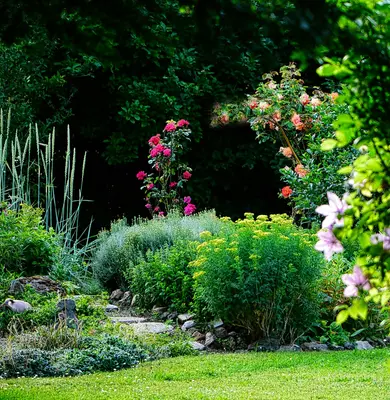
A stunning evergreen with vibrant emerald-green foliage that maintains its rich color year-round, making it the most popular choice for privacy screens and formal hedging. This narrow, pyramidal beauty grows at a moderate pace and requires minimal pruning to maintain its naturally perfect shape. Its dense branching and exceptional cold hardiness make it ideal for creating living walls that look professionally manicured with little effort.
Sun
Full sun to partial shade
Zones
3–7
USDA hardiness
Height
40-60 feet
Planting Timeline
Showing dates for Emerald Green Arborvitae in USDA Zone 7
All Zone 7 ornamental-tree →Zone Map
Click a state to update dates
Emerald Green Arborvitae · Zones 3–7
Growing Details
Complete Growing Guide
Light: Full sun (6 or more hours of direct sunlight a day), Partial Shade (Direct sunlight only part of the day, 2-6 hours). Soil: Clay, Loam (Silt). Soil pH: Alkaline (>8.0), Neutral (6.0-8.0). Drainage: Good Drainage, Moist, Occasionally Dry. Height: 40 ft. 0 in. - 60 ft. 0 in.. Spread: 10 ft. 0 in. - 15 ft. 0 in.. Spacing: 24-60 feet. Growth rate: Slow. Maintenance: Low. Regions: Mountains.
Harvesting
The cone is oblong and light brown and measures 1/3 to 1/2 inches long It is yellow when young.
Color: Brown/Copper. Length: < 1 inch. Width: < 1 inch.
Harvest time: Summer
Storage & Preservation
Emerald Green Arborvitae is a living ornamental tree and does not require traditional storage or preservation methods like fresh produce. Instead, focus on proper in-ground cultivation or container maintenance. If growing in containers, store indoors in a cool location (50-65°F) during winter in harsh climates. Keep soil consistently moist but not waterlogged. Apply organic mulch around the base to retain moisture and regulate soil temperature. Prune dead or diseased branches as needed. Propagate via cuttings in late summer and root in well-draining potting mix for new plants.
History & Origin
Origin: Central & E. Canada to N. Central and Eastern North America
Advantages
- +Maintains vibrant emerald color year-round without fading or browning
- +Naturally narrow pyramidal shape requires minimal pruning or maintenance
- +Exceptional cold hardiness performs reliably in harsh winter climates
- +Dense branching creates effective privacy screens and formal hedges quickly
- +Moderate growth rate achieves desired height without aggressive annual trimming
Considerations
- -Susceptible to bagworms and spider mites requiring regular pest monitoring
- -Root rot develops easily in poorly drained or waterlogged soils
- -Tip blight fungus thrives in humid conditions causing branch dieback
- -Narrow form provides less wind resistance and may require staking support
Companion Plants
Shade-tolerant groundcovers — Hosta, Pachysandra, Heuchera, and ferns — work well at the base of Emerald Green Arborvitae because they root shallowly and fill in the dry shade zone the canopy creates without competing for the same water column. Astilbe and Rhododendron handle the pH range (6.0–7.0) these trees prefer, and around here in zone 7 Georgia, Caladiums and Impatiens make reliable seasonal fill-ins under the canopy once nights stay above 55°F. Black Walnut is the one plant to exclude categorically — its roots release juglone into the surrounding soil, and even at 40–50 feet of distance that compound accumulates enough to cause decline in arborvitae. Large Maples are a subtler problem: their dense, shallow root systems pull moisture aggressively in July and August, leaving the arborvitae drought-stressed during the period it can least afford it.
Plant Together
Hosta
Thrives in partial shade created by arborvitae, complementary foliage textures
Astilbe
Enjoys similar moisture conditions and partial shade, adds colorful blooms
Heuchera
Tolerates shade and provides attractive ground cover with colorful foliage
Ferns
Natural woodland companions that thrive in similar acidic, moist soil conditions
Rhododendron
Both prefer acidic soil and similar moisture levels, creates layered landscape
Caladium
Benefits from wind protection and partial shade provided by arborvitae
Pachysandra
Excellent evergreen ground cover that prevents weeds and retains soil moisture
Impatiens
Thrives in the filtered light and wind protection of arborvitae canopy
Keep Apart
Black Walnut
Produces juglone toxin that can stunt or kill arborvitae and other sensitive plants
Eucalyptus
Allelopathic properties inhibit growth of nearby plants including evergreens
Large Maple Trees
Aggressive root system competes heavily for water and nutrients
Pests & Disease Resistance
Resistance
Good resistance to most diseases, susceptible to bagworms and spider mites in hot climates
Common Pests
Bagworms, spider mites, scale insects
Diseases
Root rot in poorly drained soils, tip blight in humid conditions
Troubleshooting Emerald Green Arborvitae
What you'll see, why it happens, and what to do about it.
Branch tips turning brown and dying back, often starting in late spring or after a wet stretch
Likely Causes
- Tip blight (Kabatina or Pestalotiopsis spp.) — fungal infection that moves in during humid conditions
- Winter desiccation damage that shows up once warm weather arrives
What to Do
- 1.Prune out all blighted tips at least 2 inches below the dead tissue; sterilize your pruners with 70% isopropyl between cuts
- 2.Thin the interior lightly to improve airflow — arborvitae hold moisture in tight, and that's where the fungus gets a foothold
- 3.Avoid overhead irrigation; water at the base, and do it in the morning so foliage dries before evening
Foliage turning brown or gray-green in patches, with fine webbing visible in hot, dry spells (typically July–August)
Likely Causes
- Spider mites (Tetranychus urticae or Oligonychus ununguis) — they thrive when temps push above 90°F and humidity drops
- Drought stress that weakens the tree's ability to flush out small populations naturally
What to Do
- 1.Blast affected branches with a strong stream of water every 2–3 days to knock mites off before reaching for a pesticide
- 2.If infestation persists, apply insecticidal soap or neem oil in the evening to avoid foliage scorch; two applications, 7 days apart
- 3.Mulch 3–4 inches deep around the root zone to retain soil moisture and reduce heat stress at the base
Silken bags (1–2 inches long) hanging from branches in late summer, with foliage inside the bag stripped bare
Likely Causes
- Bagworms (Thyridopteryx ephemeraeformis) — the bags are the larvae's portable cases; they feed inside and are easy to miss until damage is already extensive
What to Do
- 1.Hand-pick and destroy bags from September through April while eggs are overwintering inside — drop them in a bucket of soapy water, not on the ground
- 2.For active infestations in late May through June when larvae are still small, spray Bacillus thuringiensis var. kurstaki (Bt) — it's effective on young caterpillars and won't harm beneficial insects
- 3.Check neighboring arborvitae and junipers; bagworms spread by wind-ballooning and an untreated tree 30 feet away will reinfest yours by the following season
Frequently Asked Questions
How fast does Emerald Green Arborvitae grow?▼
Is Emerald Green Arborvitae good for beginners?▼
Can you grow Emerald Green Arborvitae in containers?▼
When is the best time to plant Emerald Green Arborvitae?▼
What are common pests affecting Emerald Green Arborvitae?▼
How much sunlight does Emerald Green Arborvitae need?▼
Zone-by-Zone Planting Calendar
Growing Guides from Wind River Greens
Sources & References
External authority sources used in compiling this guide.
- ExtensionNC State Extension
See the Methodology page for how this data is sourced, what's AI-assisted, and known limitations.