Crane Pink
Brassica oleracea
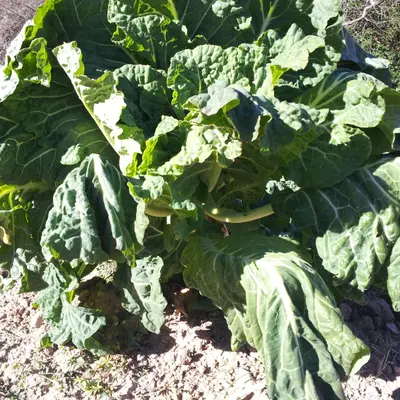
Extend the flower production season with ornamental kale. The Crane series is consistent, uniform, and provides a range of colors. Crane Pink has bright pink centers surrounded by green outer leaves. Also known as flowering kale and ornamental cabbage.
Harvest
90-110d
Days to harvest
Sun
Full sun to partial shade
Zones
6–9
USDA hardiness
Height
10-24 inches
Planting Timeline
Showing dates for Crane Pink in USDA Zone 7
All Zone 7 flower →Zone Map
Click a state to update dates
Crane Pink · Zones 6–9
Growing Details
Complete Growing Guide
Extend the flower production season with ornamental kale. The Crane series is consistent, uniform, and provides a range of colors. Crane Pink has bright pink centers surrounded by green outer leaves. Also known as flowering kale and ornamental cabbage. According to Johnny's Selected Seeds, Crane Pink is 90 - 110 days to maturity, annual, hybrid (f1). Notable features: Cold Tolerant, Use for Cut Flowers and Bouquets.
Light: Full sun (6 or more hours of direct sunlight a day), Partial Shade (Direct sunlight only part of the day, 2-6 hours). Soil: Clay, Loam (Silt), Sand. Soil pH: Acid (<6.0), Neutral (6.0-8.0). Drainage: Good Drainage, Moist. Height: 0 ft. 10 in. - 2 ft. 0 in.. Spread: 1 ft. 0 in. - 2 ft. 0 in.. Spacing: 12 inches-3 feet. Growth rate: Medium. Maintenance: Medium. Propagation: Seed, Stem Cutting. Regions: Coastal, Mountains, Piedmont.
Harvesting
Crane Pink reaches harvest at 90 - 110 days from sowing per Johnny's Selected Seeds. As an annual, harvest continues until frost ends the season.
The fruits dry and split when ripe.
Color: Brown/Copper, Green. Type: Siliqua. Length: > 3 inches.
Garden value: Edible
Harvest time: Fall, Summer
Edibility: The foliage is edible raw or cooked but when cooked can emit an unpleasant odor.
Storage & Preservation
Crane Pink ornamental kale flowers are best stored fresh on the counter at room temperature (65-70°F) in a vase with water, lasting 7-10 days. For extended storage, refrigerate at 35-40°F with 80-90% humidity in a plastic bag, extending life to 2-3 weeks. Preservation methods: Dry flowers by hanging upside-down in a dark, well-ventilated space for 2-3 weeks to create long-lasting arrangements. Press flowers between parchment paper under weight for 1-2 weeks for decorative flat specimens. Alternatively, freeze in water in ice cube trays for later use in floral arrangements, though texture will change upon thawing.
History & Origin
Crane Pink is an F1 hybrid developed through controlled cross-pollination. Listed in the Johnny's Selected Seeds catalog.
Origin: W. Europe
Advantages
- +Bright pink centers create striking visual interest in fall and winter gardens
- +Consistent and uniform growth makes Crane Pink reliable for landscape design
- +Extended harvest season provides ornamental color when other flowers fade
- +Easy to grow variety suitable for beginner gardeners and mixed plantings
- +Dramatic color contrast between pink centers and green leaves attracts attention
Considerations
- -Susceptible to cabbage worms and other brassica pests requiring regular monitoring
- -Prefers cool weather and may bolt or fade quality in warm climates
- -Requires consistent moisture and well-draining soil to prevent root rot issues
- -Takes 90-110 days to reach peak ornamental appearance limiting quick results
Companion Plants
Marigolds (especially Tagetes patula) are the most practical companion here — they deter aphids and whiteflies through root secretions and scent, and at 18–24 inch spacing they don't crowd Crane Pink out. Alyssum and catmint pull similar duty by drawing in parasitic wasps and hoverflies that cut down soft-bodied pest populations before they get established. Chives planted at the border add genuine value too; their sulfur compounds push aphids off, and they stay compact enough to leave the bed to the flowers.
The three to skip are worth a quick explanation. Black walnut produces juglone, a root-zone compound that accumulates in the soil beneath the canopy and suppresses many ornamentals — give any established tree a wide berth. Eucalyptus drops allelopathic oils through its leaf litter that physically slow neighboring root development over time. Fennel is a different problem: it doesn't poison anything, it just stunts nearly every plant within a foot or two of it through root competition and chemical leaching, so it belongs in a pot or its own corner of the garden, not mixed into a flower bed.
Plant Together
Marigolds
Repel aphids, whiteflies, and nematodes while attracting beneficial insects
Lavender
Deters pests like moths and beetles, attracts pollinators, complementary fragrance
Catmint
Repels ants, aphids, and rodents while attracting beneficial pollinators
Alyssum
Attracts hoverflies and parasitic wasps that control aphids and other pests
Nasturtiums
Act as trap crop for aphids and cucumber beetles, edible flowers add color
Cosmos
Attract beneficial insects and provide complementary height and texture
Rosemary
Repels carrot flies, cabbage moths, and other pests with strong aromatic oils
Chives
Deter aphids and Japanese beetles, improve soil health
Keep Apart
Black Walnut
Produces juglone toxin that inhibits growth and can kill sensitive plants
Eucalyptus
Allelopathic compounds in leaves and roots suppress growth of nearby plants
Fennel
Produces allelopathic chemicals that inhibit germination and growth of most garden plants
Troubleshooting Crane Pink
What you'll see, why it happens, and what to do about it.
Leaves wilting and yellowing from the base up, stems soft or mushy at soil level, around weeks 4–6 after transplant
Likely Causes
- Root rot from Pythium or Phytophthora — both thrive in waterlogged soil
- Overwatering combined with poor drainage in heavy clay
What to Do
- 1.Pull back on watering immediately and check that the bed drains within an hour of heavy rain
- 2.If the crown is already soft, the plant is likely done — pull it, amend the bed with coarse perlite or compost before replanting
- 3.Next time, plant in raised rows or raised beds to keep roots out of standing water
Ragged holes chewed in leaves overnight, with silvery slime trails visible in the morning
Likely Causes
- Slugs (Deroceras reticulatum and related species) — especially bad in cool, wet springs
- Dense groundcover or mulch too close to the crown giving them daytime shelter
What to Do
- 1.Scatter iron phosphate bait (Sluggo or equivalent) around the base of plants at dusk — reapply after rain
- 2.Pull mulch 3–4 inches back from the stem so slugs don't have a hiding spot right at the plant
- 3.Set out a shallow dish of beer as a trap to gauge pressure; if you're catching more than 5–6 per night, increase bait density
Flower buds developing normally but petals looking bleached or scorched at the edges, especially on blooms that open in midsummer
Likely Causes
- Heat stress — this hybrid blooms best below 85°F; prolonged highs above that threshold stress the flowers
- Direct afternoon sun intensity on thin petals during peak summer
What to Do
- 1.Deadhead spent blooms immediately so the plant puts energy into new buds rather than seed set
- 2.If you're in a hot climate, site these where they get afternoon shade — 4–5 hours of morning sun is plenty
- 3.Water deeply at the base every 2–3 days during heat stretches rather than frequent shallow sprinkles
Frequently Asked Questions
How long do Crane Pink flowers last in a vase?▼
Is Crane Pink ornamental kale good for beginners?▼
Can you grow Crane Pink in containers?▼
When should I plant Crane Pink ornamental kale?▼
What's the difference between Crane Pink and other Crane series colors?▼
How much space do Crane Pink plants need?▼
Zone-by-Zone Planting Calendar
| Zone | Indoor Start | Transplant | Direct Sow | Harvest |
|---|---|---|---|---|
| Zone 1 | May – June | July – August | July – September | — |
| Zone 2 | April – May | June – July | June – August | — |
| Zone 11 | January – January | January – February | January – March | — |
| Zone 12 | January – January | January – February | January – March | — |
| Zone 13 | January – January | January – February | January – March | — |
| Zone 3 | April – May | June – July | June – August | — |
| Zone 4 | March – April | June – June | June – July | — |
| Zone 5 | March – April | May – June | May – July | — |
| Zone 6 | March – April | May – June | May – July | — |
| Zone 7 | February – March | April – May | April – June | — |
| Zone 8 | February – March | April – May | April – June | — |
| Zone 9 | January – February | March – April | March – May | — |
| Zone 10 | January – January | February – March | February – April | — |
Growing Guides from Wind River Greens
Sources & References
External authority sources used in compiling this guide.
- BreederJohnny's Selected Seeds
See the Methodology page for how this data is sourced, what's AI-assisted, and known limitations.