Bells of Ireland
Moluccella laevis
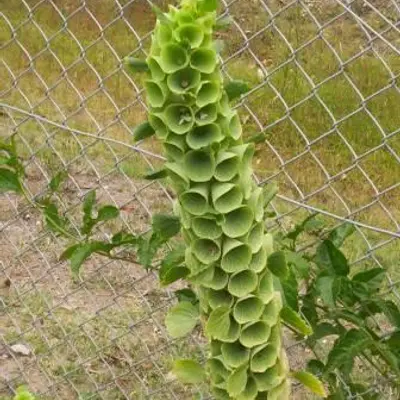
Add fresh, bright-green color and texture to mixed bouquets. Long stems covered with bright apple-green, bell-shaped, 2" calyxes centered with tiny, white blooms. Use as a spike or filler flower. Excellent in dried arrangements too. Blooms have a lovely, sour-apple scent. Also known as bells-of-Ireland and shellflower.
Harvest
90-110d
Days to harvest
Sun
Full sun to partial shade
Zones
2–11
USDA hardiness
Height
2-3 feet
Planting Timeline
Showing dates for Bells of Ireland in USDA Zone 7
All Zone 7 flower →Zone Map
Click a state to update dates
Bells of Ireland · Zones 2–11
Growing Details
Succession Planting
Bells of Ireland is worth one or two rounds of succession sowing, but the window is narrower than a salad green. In zone 7, direct sow a first round in early April, then a second in mid-May — roughly a 6-week gap. A late-May or early-June sowing is possible if you want dried stems for fall arrangements, but plants started after June 1 often run into summer heat before the spikes fully develop, and you'll get short, disappointing stems. Don't bother with a third round.
Cold stratification (7-10 days in the refrigerator before each sowing) matters for both rounds. Germination runs 7-14 days under good conditions, and days to harvest land around 90-110 from sowing — so map it backward from when you want cut stems and plan accordingly.
Complete Growing Guide
Light: Full sun (6 or more hours of direct sunlight a day), Partial Shade (Direct sunlight only part of the day, 2-6 hours). Soil: Clay, High Organic Matter, Loam (Silt), Sand. Soil pH: Acid (<6.0), Alkaline (>8.0), Neutral (6.0-8.0). Drainage: Good Drainage, Moist, Occasionally Wet. Height: 2 ft. 0 in. - 3 ft. 0 in.. Spread: 1 ft. 0 in. - 1 ft. 6 in.. Spacing: 12 inches-3 feet. Growth rate: Rapid. Maintenance: Low. Propagation: Seed. Regions: Coastal, Mountains, Piedmont.
Harvesting
Type: Nut.
Storage & Preservation
For fresh Bells of Ireland, store stems in a clean vase with cool water at 65-72°F, changing water every 2-3 days. Keep away from ripening fruit and direct sunlight. Fresh stems last 7-10 days. For preservation: (1) Air-dry by hanging bundles upside-down in a cool, dark, well-ventilated space for 2-3 weeks—they retain color and texture excellently. (2) Glycerin preservation: submerge stems in a 1:1 water-glycerin solution for 1-2 weeks for pliable, long-lasting arrangements. (3) Freeze-drying maintains structure and appearance for display, though requires special equipment.
History & Origin
Origin: Eastern Mediterranean to India.
Advantages
- +Distinctive bright apple-green bell-shaped calyxes add unique color to bouquets
- +Works as both fresh spike filler and dried arrangement flower
- +Long stems provide excellent height and structure for arrangements
- +Pleasant sour-apple scent adds subtle fragrance to cut flowers
- +Easy to grow with relatively short 90-110 day growing period
Considerations
- -Tall plants require staking or support to prevent stem breakage
- -Prefers well-draining soil and struggles in wet, poorly-draining conditions
- -Flowers may shatter or drop if handled roughly during arrangement
Companion Plants
Marigolds and nasturtiums are the workhorses here — both deter aphids and whiteflies through scent, which matters because Bells of Ireland's dense calyxes can trap soft-bodied insects in the leaf axils right where the bells form. Sweet alyssum planted at the base draws in parasitic wasps that handle aphid pressure without any spraying. Dill is worth including nearby for the same reason: it hosts predatory insects like Braconid wasps through its bloom cycle and doesn't compete for root space given the 12-18 inch planting distances Moluccella needs.
Black walnut, fennel, and eucalyptus are the ones to avoid. Black walnut produces juglone — a root-exuded compound that suppresses many annuals, and Bells of Ireland's shallow root system puts it squarely in harm's way. Fennel is allelopathic to a wide range of garden plants regardless of proximity; grow it in its own container if you want it at all. Eucalyptus releases growth-inhibiting terpenes through both roots and decomposing leaf litter, so even a neighbor's tree can be a problem if its canopy overhangs your bed.
Plant Together
Marigolds
Repel aphids and other pests while attracting beneficial insects
Nasturtiums
Act as trap crops for aphids and cucumber beetles
Sweet Alyssum
Attracts beneficial insects like hoverflies and parasitic wasps
Cosmos
Complement height and texture while attracting pollinators
Zinnias
Attract beneficial insects and provide color contrast
Cleome
Similar growing conditions and attracts beneficial insects
Nicotiana
Repels many garden pests and complements evening garden appeal
Dill
Attracts beneficial insects like lacewings and parasitic wasps
Keep Apart
Black Walnut
Produces juglone which is toxic to many plants including annuals
Fennel
Inhibits growth of most garden plants through allelopathy
Eucalyptus
Releases allelopathic compounds that inhibit nearby plant growth
Troubleshooting Bells of Ireland
What you'll see, why it happens, and what to do about it.
Seeds sown direct fail to germinate after 3+ weeks, or germination is patchy and sparse
Likely Causes
- Skipping cold stratification — Moluccella laevis has a built-in dormancy that warm soil alone won't break
- Seed buried too deep; these need light to germinate and should sit at or just below the soil surface
What to Do
- 1.Refrigerate seeds in a damp paper towel for 7-10 days before sowing, then direct sow into prepared soil
- 2.Press seeds onto the surface and barely cover with 1/8 inch of fine soil or vermiculite — no deeper
- 3.If starting indoors in February or March, keep the tray at 55-65°F rather than on a warm heat mat
Stems flopping over or leaning badly by mid-summer, especially on plants over 2 feet
Likely Causes
- Insufficient staking on tall stems that can hit 3 feet in a productive season
- Planting in too much shade — partial shade is tolerable, but low light produces weak, leggy stems
What to Do
- 1.Install bamboo stakes or a single strand of jute twine between posts at 18 inches height once plants hit 12 inches tall
- 2.Space plants the full 18 inches apart — crowded plants compete and produce thinner stems
- 3.Relocate next year's planting to a spot with at least 6 hours of direct sun for stiffer growth
Bells (calyxes) turning brown and papery while the plant is still actively growing, not at end of season
Likely Causes
- Heat stress — prolonged days above 85°F cause the calyxes to dry and bleach prematurely
- Inconsistent watering during the critical bell-development stage, when the plant is putting energy into forming each calyx along the spike
What to Do
- 1.Harvest stems early for drying once the bottom two-thirds of bells are fully formed — don't wait for the whole spike to finish
- 2.Mulch the root zone with 2-3 inches of straw to moderate soil temperature and hold moisture between waterings
- 3.Time your direct sow for early April so the plant hits its 90-110 day harvest window before peak summer heat arrives
Frequently Asked Questions
How long do Bells of Ireland flowers last in a vase?▼
Are Bells of Ireland good for beginner gardeners?▼
Can you grow Bells of Ireland in containers?▼
When should I plant Bells of Ireland seeds?▼
What does Bells of Ireland scent smell like?▼
How tall do Bells of Ireland flowers grow?▼
Zone-by-Zone Planting Calendar
| Zone | Indoor Start | Transplant | Direct Sow | Harvest |
|---|---|---|---|---|
| Zone 3 | April – May | June – July | June – August | — |
| Zone 4 | March – April | June – June | June – July | — |
| Zone 5 | March – April | May – June | May – July | — |
| Zone 6 | March – April | May – June | May – July | — |
| Zone 7 | February – March | April – May | April – June | — |
| Zone 8 | February – March | April – May | April – June | — |
| Zone 9 | January – February | March – April | March – May | — |
| Zone 10 | January – January | February – March | February – April | — |
| Zone 1 | May – June | July – August | July – September | — |
| Zone 2 | April – May | June – July | June – August | — |
| Zone 11 | January – January | January – February | January – March | — |
| Zone 12 | January – January | January – February | January – March | — |
| Zone 13 | January – January | January – February | January – March | — |
Growing Guides from Wind River Greens
Sources & References
External authority sources used in compiling this guide.
- ExtensionNC State Extension
- BreederJohnny's Selected Seeds
See the Methodology page for how this data is sourced, what's AI-assisted, and known limitations.