Katz Yellow
Matthiola incana
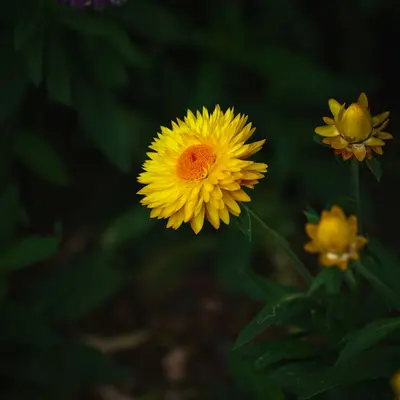
Long stems with 1 1/2-2", creamy yellow blooms. Early blooming one-cut series. Performed well in our spring, early summer, and fall trials. Good uniformity in bloom time and stem length. 55-60% double-flowering without selection; some selection possible. NOTE: This variety produces one flowering stem per plant. Pinching is not advisable as it will terminate flowering. Edible Flowers: The peppery, clove-like flavor of the flowers lends itself well to use as a garnish on salads, desserts, and drinks.
Harvest
90-100d
Days to harvest
Sun
Full sun to partial shade
Zones
6–10
USDA hardiness
Height
1-3 feet
Planting Timeline
Showing dates for Katz Yellow in USDA Zone 7
All Zone 7 flower →Zone Map
Click a state to update dates
Katz Yellow · Zones 6–10
Growing Details
Succession Planting
Katz Yellow stock doesn't hold long once temperatures push past 80°F — the plants bolt and flower quality drops fast. Start seeds indoors 7-14 days before your last frost date and plan a second sowing 3-4 weeks later to extend your cutting window. In zone 7, that means an indoor start in late February, a second round in mid-March, and transplanting out in April through early May.
Don't bother sowing after mid-spring for summer bloom. You'll get better results treating this as a cool-season cut flower and planning a fall run: start seeds in late August, transplant in September, and you can pull decent stems well into November if your first frost holds off past mid-month.
Complete Growing Guide
Katz Yellow is a one-cut Sweet William, which means every cultural decision should support producing one strong, long, straight stem rather than a bushy, branching plant. Start by choosing a site with full sun to partial shade — 4 to 6 hours of direct light is the sweet spot. In hotter zones (7 and warmer), afternoon shade helps preserve the soft creamy yellow color and prevents premature bolting.
Prepare beds with well-drained, fertile soil amended with 2–3 inches of finished compost. Sweet Williams dislike wet feet, so if your soil is heavy, work in coarse sand or plant on raised beds. A neutral to slightly alkaline pH (6.5–7.5) is ideal. Avoid heavy nitrogen fertilizers, which produce floppy stems and weak flowers — instead, use a balanced 5-10-10 or similar bloom-supporting feed at transplant and again as buds form.
Start seed indoors 8–10 weeks before your last frost date. Surface sow on moist seed-starting mix, press in lightly (seeds need some light to germinate), and keep at 65–70°F. Germination takes 7–14 days. Grow on cool — around 55–60°F — to produce stocky, well-rooted seedlings. Harden off carefully and transplant out 2–3 weeks before your last frost; Katz Yellow tolerates light frost and actually benefits from a cool period to trigger uniform flowering. In Zones 6 and warmer, you can also fall-plant for an early spring harvest.
Space plants 6–9 inches apart in a tight grid. Close spacing forces upright, single-stem growth — exactly what you want from a one-cut variety. Use one or two layers of horizontal flower netting (Hortonova) installed at planting and raised as plants grow. This keeps stems straight and harvest-ready.
The single most important rule: do not pinch. Pinching a one-cut Sweet William removes the only flowering stem the plant will produce. This is the opposite of how you'd handle branching cut flowers like snapdragons or zinnias.
Water consistently — about 1 inch per week — using drip irrigation rather than overhead sprinklers to keep foliage dry and reduce fungal pressure. Mulch lightly with straw to conserve moisture and suppress weeds. Once buds begin to color, ease off nitrogen entirely.
Common mistakes to avoid: overcrowding without netting (stems lean and curl), pinching out of habit, planting in soggy soil, and overfertilizing with nitrogen. Get those right and Katz Yellow rewards you with remarkable uniformity — a rare trait in seed-grown Sweet Williams.
Harvesting
Harvest Katz Yellow when roughly one-third to one-half of the florets in the cluster have opened — the rest will continue opening in the vase. Stems harvested too tight may not fully develop; stems left too long lose vase life quickly. Cut in the cool of early morning when stems are fully turgid, using sharp, clean snips. Take the entire stem down to the base of the plant — there is no second flush, so cut as long as possible for maximum stem length. Immediately plunge stems into clean, cool water with floral preservative and let them hydrate in a cool, dark space for several hours before arranging. For edible use, harvest individual florets just after they fully open, in the morning after dew has dried, and use the same day for best flavor and visual appeal. Avoid harvesting flowers that have been treated with any pesticides.
Storage & Preservation
As a cut flower, Katz Yellow holds 7–10 days in the vase with clean water changed every 2–3 days and stems recut at an angle. Store harvested stems at 36–38°F in a floral cooler if not arranging immediately; they tolerate cold storage well for up to a week. For edible florets, store unwashed in a single layer between damp paper towels in a sealed container in the refrigerator and use within 2–3 days. To preserve longer term, gently air-dry whole stems upside down in a dark, well-ventilated space for 2–3 weeks — the creamy yellow fades slightly but holds shape well. Florets can also be crystallized with egg white and superfine sugar for cake and dessert decoration, keeping in an airtight tin for several weeks.
History & Origin
Sweet William (Dianthus barbatus) is a centuries-old cottage garden flower native to southern Europe, cultivated in English gardens since at least the 16th century and reportedly named in honor of either Saint William of Aquitaine or, in popular legend, William Shakespeare. Traditional Sweet Williams are biennial, branching plants grown for garden display rather than cutting. The Katz series represents a modern reworking of this heritage flower for the specialty cut flower trade — bred specifically as one-cut types that produce a single tall, uniform stem suitable for bunching and market sales rather than branching garden plants. Katz Yellow extends the series into the soft creamy yellow range, a color historically rare in Sweet Williams, which traditionally trend toward pinks, reds, whites, and bicolors. The series has become a staple among small-scale flower farmers who value its uniformity, early bloom timing, and ability to fit into tight succession plantings the way snapdragons and stock do.
Advantages
- +Soft creamy yellow color is unusual and highly sought after in the Sweet William palette
- +Exceptional uniformity in stem length and bloom timing makes bunching efficient
- +Early-blooming — fits into spring succession plantings before summer crops mature
- +Performs reliably in spring, early summer, and fall in trials
- +55–60% double flowers straight from seed without manual selection
- +Edible petals bring a unique peppery, clove-like flavor to garnishes
- +Tolerates light frost and benefits from cool weather for uniform flowering
Considerations
- -One-cut habit means only a single flowering stem per plant — no second flush
- -Pinching, the standard cut-flower training practice, will terminate flowering entirely
- -Doubling rate is good but not 100%, so some single-flowered stems will appear
- -Requires netting and tight spacing to produce truly straight market stems
- -Susceptible to fungal issues like rust and crown rot in poorly drained or wet soil
Companion Plants
Marigolds (Tagetes spp.) and nasturtiums pull double duty here — marigolds repel aphids through their root secretions and act as a trap crop for thrips, while nasturtiums lure aphids away from your stock spikes before they become a problem. Alyssum planted at the base of your Katz Yellow rows draws in parasitic wasps that prey on aphids. Keep fennel at least 18 inches away; it's allelopathic to a wide range of plants and will stunt close neighbors. Black walnut is the other hard no: its juglone toxin persists in the soil well beyond the drip line and is reliably damaging to most ornamentals, Matthiola included.
Plant Together
Marigolds
Repel aphids, whiteflies, and nematodes while attracting beneficial insects
Nasturtiums
Act as trap crops for aphids and cucumber beetles, protecting nearby plants
Alyssum
Attracts beneficial insects like lacewings and parasitic wasps for natural pest control
Zinnias
Attract pollinators and beneficial predatory insects while providing complementary colors
Cosmos
Draw beneficial insects and provide structural support without competing for nutrients
Lavender
Repels moths, fleas, and mosquitoes while attracting pollinators
Parsley
Attracts beneficial insects and provides ground cover without root competition
Chives
Repel aphids and other soft-bodied insects through natural sulfur compounds
Keep Apart
Black Walnut
Releases juglone toxin that inhibits growth and can kill sensitive flowering plants
Eucalyptus
Produces allelopathic compounds that suppress growth of nearby plants
Fennel
Inhibits growth of most garden plants through allelopathy and attracts harmful insects
Pests & Disease Resistance
Common Pests
Aphids, slugs, spider mites, thrips
Diseases
Rust, crown rot, fusarium wilt, botrytis (gray mold)
Troubleshooting Katz Yellow
What you'll see, why it happens, and what to do about it.
Silvery streaking or stippling on petals and leaves, with small black droppings visible on flower buds
Likely Causes
- Thrips (Frankliniella occidentalis) — they rasp the tissue and feed inside tight buds, so you often don't see them until damage is done
- Hot, dry conditions that favor thrips population explosions
What to Do
- 1.Tap a stem over a white sheet of paper — if tiny brown or yellow insects fall out, you have thrips; confirm before treating
- 2.Spray with spinosad (an OMRI-listed option) in the early morning, hitting the buds directly, every 5-7 days for 2-3 cycles
- 3.Remove and bag any heavily infested buds — don't compost them
Stems collapse at soil level on young transplants; base of stem looks water-soaked or brown and pinched
Likely Causes
- Crown rot or Fusarium wilt — both favor warm, wet soil and poor drainage
- Planting too deep or overwatering in the first 2 weeks after transplant
What to Do
- 1.Pull the plant — it's not recoverable; remove the surrounding soil 6 inches out and don't replant Matthiola in that spot this season
- 2.Let the bed dry down between waterings; stock wants about 1 inch per week, not constant moisture
- 3.Next planting, amend with coarse compost to improve drainage and don't set transplants deeper than they were growing in the cell tray
Gray fuzzy coating on petals or leaves, usually starting on older or damaged tissue, especially in cool damp weather
Likely Causes
- Botrytis cinerea (gray mold) — thrives below 65°F with high humidity and poor airflow
- Crowded spacing under 6 inches that traps moisture overnight
What to Do
- 1.Cut off affected stems and leaves immediately; bag and trash them — Botrytis spreads fast on cut stems left lying around
- 2.Thin plants to the recommended 6-9 inch spacing if you skipped that step at transplant
- 3.Water at the base, not overhead, and do it in the morning so foliage dries before nightfall
Frequently Asked Questions
How long does Katz Yellow Sweet William take to grow?▼
Why shouldn't you pinch Katz Yellow?▼
Can you grow Katz Yellow in containers?▼
What does Katz Yellow taste like?▼
When should I plant Katz Yellow?▼
Is Katz Yellow good for beginners?▼
Zone-by-Zone Planting Calendar
| Zone | Indoor Start | Transplant | Direct Sow | Harvest |
|---|---|---|---|---|
| Zone 1 | May – June | July – August | July – September | — |
| Zone 2 | April – May | June – July | June – August | — |
| Zone 11 | January – January | January – February | January – March | — |
| Zone 12 | January – January | January – February | January – March | — |
| Zone 13 | January – January | January – February | January – March | — |
| Zone 3 | April – May | June – July | June – August | — |
| Zone 4 | March – April | June – June | June – July | — |
| Zone 5 | March – April | May – June | May – July | — |
| Zone 6 | March – April | May – June | May – July | — |
| Zone 7 | February – March | April – May | April – June | — |
| Zone 8 | February – March | April – May | April – June | — |
| Zone 9 | January – February | March – April | March – May | — |
| Zone 10 | January – January | February – March | February – April | — |
Growing Guides from Wind River Greens
Sources & References
External authority sources used in compiling this guide.
- BreederJohnny's Selected Seeds
See the Methodology page for how this data is sourced, what's AI-assisted, and known limitations.