Silver Maple
Acer saccharinum
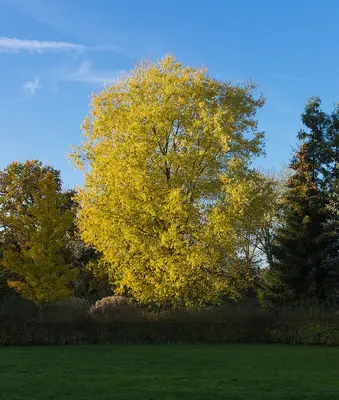
A fast-growing native shade tree prized for its rapid establishment and graceful, drooping branches. The silvery undersides of its deeply lobed leaves create a shimmering effect in the breeze, while its adaptability to various soil conditions makes it a reliable choice for quick shade. Though fast-growing trees often sacrifice longevity, the Silver Maple's impressive size and beautiful fall color make it a popular landscape staple.
Sun
Full sun to partial shade
Zones
3–9
USDA hardiness
Height
50-80 feet
Planting Timeline
Showing dates for Silver Maple in USDA Zone 7
All Zone 7 shade-tree →Zone Map
Click a state to update dates
Silver Maple · Zones 3–9
Growing Details
Complete Growing Guide
Light: Full sun (6 or more hours of direct sunlight a day), Partial Shade (Direct sunlight only part of the day, 2-6 hours). Soil: Clay, High Organic Matter, Loam (Silt), Sand, Shallow Rocky. Soil pH: Acid (<6.0), Alkaline (>8.0), Neutral (6.0-8.0). Drainage: Good Drainage, Moist, Occasional Flooding, Occasionally Dry, Occasionally Wet. Height: 50 ft. 0 in. - 80 ft. 0 in.. Spread: 40 ft. 0 in. - 60 ft. 0 in.. Growth rate: Rapid. Maintenance: Medium. Propagation: Seed. Regions: Coastal, Mountains, Piedmont.
Harvesting
Samara, not ornamentally important. Wings spreading at an 80 to 90-degree angle. In NC fruit is available in late spring to summer.
Color: Green. Type: Samara. Length: 1-3 inches.
Harvest time: Spring, Summer
Edibility: Sap can be used to make syrup
Storage & Preservation
As a shade tree, Silver Maple does not require post-harvest storage in the horticultural sense. If harvesting sap for syrup production, sap must be used immediately—fresh sap ferments rapidly and spoils within 24-48 hours at room temperature. Store fresh sap in a cold location (below 40°F) no longer than 1 week before boiling. Finished Silver Maple syrup stores indefinitely in sealed glass jars at room temperature due to its high sugar concentration. For long-term storage, keep sealed jars in a cool, dark place to prevent crystallization or mold growth on the surface. If mold appears, skim it off; the syrup below remains safe. Frozen sap can be stored at 0°F or below for up to one year, thawing slowly in the refrigerator before boiling. Refrigerate opened syrup bottles at 40°F or below and use within one month to prevent fermentation.
History & Origin
Native to eastern North America, the Silver Maple (Acer saccharinum) evolved naturally across wetlands and riparian zones from Nova Scotia to Florida and west to the Great Plains. Unlike many ornamental trees, it was not deliberately bred but rather selected from wild populations and propagated by early American nurserymen recognizing its exceptional growth rate and aesthetic appeal. Its popularity in landscapes stems from centuries of observation rather than formal breeding programs, making it a heritage selection rooted in practical utility and natural occurrence rather than deliberate horticultural development.
Origin: Eastern and central North America
Advantages
- +Attracts: Butterflies, Moths, Pollinators, Small Mammals, Songbirds
- +Edible: Sap can be used to make syrup
- +Fast-growing
Companion Plants
The shade-tolerant plants that pair well with silver maple — Hosta, ferns, Astilbe, Coral Bells, Wild Ginger, Bloodroot, and Lungwort — all share one practical trait: they're built for dry shade, which is exactly what silver maple's dense canopy and shallow, aggressive root system create within a few years of establishment. Pachysandra works as a groundcover because it spreads at a surface level rather than sinking deep enough to fight those roots directly. Black Walnut is genuinely incompatible — its roots produce juglone, a chemical compound that interferes with cellular respiration in sensitive plants, and silver maple shows enough sensitivity that you'll see dieback where the two root systems overlap. Roses and tomatoes both need 8+ hours of direct sun and reliable soil moisture; positioned near a mature silver maple, they'll get neither.
Plant Together
Hosta
Thrives in dappled shade and complements the maple's root system without competition
Ferns
Excellent shade tolerance and helps retain soil moisture under the canopy
Astilbe
Enjoys partial to full shade and adds colorful blooms under the maple
Coral Bells
Tolerates shade well and provides year-round foliage interest
Wild Ginger
Native groundcover that thrives in maple shade and prevents soil erosion
Bloodroot
Spring ephemeral that blooms before maple leafs out, then goes dormant
Lungwort
Shade-loving perennial that provides early nectar for pollinators
Pachysandra
Dense groundcover that suppresses weeds and tolerates dry shade
Keep Apart
Black Walnut
Produces juglone which is toxic to maple trees and inhibits their growth
Roses
Require full sun and well-drained soil, will struggle in maple's dense shade
Tomatoes
Need full sun and compete poorly with maple's extensive shallow root system
Pests & Disease Resistance
Resistance
Susceptible to leaf scorch, verticillium wilt, and various canker diseases
Common Pests
Aphids, scale insects, borers, bagworms
Diseases
Leaf scorch, verticillium wilt, anthracnose, tar spot
Troubleshooting Silver Maple
What you'll see, why it happens, and what to do about it.
Leaf edges browning and curling, especially on exposed branches during summer — no spots, just dry brown margins
Likely Causes
- Leaf scorch — not a pathogen, but a stress response to drought, compacted soil, or root damage that limits water uptake
- Reflected heat from pavement or walls drying out foliage faster than roots can compensate
What to Do
- 1.Deep-water the root zone (out to the drip line, not just at the trunk) slowly for 30-45 minutes once a week during dry spells
- 2.Lay 3-4 inches of wood chip mulch over the root zone, keeping it a few inches back from the trunk
- 3.If near pavement, check whether the root zone is restricted — long-term, you may need to aerate or expand the mulched area
Sawdust-like frass or small D-shaped exit holes in the bark, often with weeping sap or crown dieback in a tree under 15 years old
Likely Causes
- Flatheaded appletree borer (Chrysobothris femorata) and related wood-boring beetles target stressed or newly transplanted silver maples almost exclusively
- Mechanical wound from a mower or string trimmer at the base, giving borers a direct entry point into living tissue
What to Do
- 1.Protect the trunk base from mower damage with a 3-foot mulch ring — that alone removes the most common borer invitation
- 2.Remove and dispose of heavily infested limbs; borers inside the heartwood can't be reached with sprays
- 3.Keep the tree well-watered in years 1-5 after planting; a vigorous tree can pitch-out minor borer attacks on its own
Black tar-like raised spots on the upper surface of leaves by midsummer, sometimes causing early leaf drop
Likely Causes
- Tar spot — a fungal disease caused by Rhytisma acerinum or related species; alarming-looking but purely cosmetic on established trees
- Wet spring weather combined with infected leaf litter left under the tree from the previous season
What to Do
- 1.Rake and bag all fallen leaves in autumn — do not compost them, as the fungal spores overwinter in that debris
- 2.No spray is needed or practical on a 50-foot tree; NC State Extension confirms tar spot doesn't meaningfully harm established silver maples
- 3.If it recurs heavily every year, improve airflow by pruning crossed interior branches in late winter
Frequently Asked Questions
How fast does a Silver Maple grow?▼
What is the difference between Silver Maple and Sugar Maple?▼
Can you grow Silver Maple in a pot or container?▼
When should I plant a Silver Maple?▼
Is Silver Maple a good choice for wet yards?▼
What diseases and pests affect Silver Maple?▼
Zone-by-Zone Planting Calendar
Growing Guides from Wind River Greens
Sources & References
External authority sources used in compiling this guide.
- ExtensionNC State Extension
See the Methodology page for how this data is sourced, what's AI-assisted, and known limitations.