Double Click Rose Bon Bon
Cosmos bipinnatus
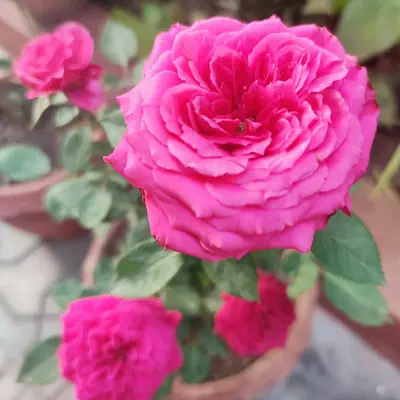
Tall plants with large fully double and semidouble, fluffy blooms. Cheerful, 2-3" rose-colored blooms make this a great cut flower and garden addition.
Harvest
75-90d
Days to harvest
Sun
Full sun to partial shade
Zones
2–11
USDA hardiness
Height
2-4 feet
Planting Timeline
Showing dates for Double Click Rose Bon Bon in USDA Zone 7
All Zone 7 flower →Zone Map
Click a state to update dates
Double Click Rose Bon Bon · Zones 2–11
Growing Details
Succession Planting
Direct sow every 14-18 days from your last frost date through early June in zone 7; cosmos germinate in 7-14 days and hit bloom in 75-90 days, so a late-May sowing will carry you into fall. Stop once daytime highs are reliably above 90°F — germination rates drop and young seedlings struggle to establish in that heat. Deadhead every 2-3 days once the plants are going and they'll rebloom steadily on their own, but a second sowing about 6 weeks after the first gives you a distinct flush of late-summer cut flowers rather than a slow trickle.
Complete Growing Guide
Tall plants with large fully double and semidouble, fluffy blooms. Cheerful, 2-3" rose-colored blooms make this a great cut flower and garden addition. According to Johnny's Selected Seeds, Double Click Rose Bon Bon is 75 - 90 days to maturity, annual, open pollinated. Notable features: Use for Cut Flowers and Bouquets.
Light: Full sun (6 or more hours of direct sunlight a day), Partial Shade (Direct sunlight only part of the day, 2-6 hours). Soil: Clay, Loam (Silt), Sand. Soil pH: Alkaline (>8.0), Neutral (6.0-8.0). Drainage: Good Drainage, Occasionally Dry. Height: 2 ft. 0 in. - 4 ft. 0 in.. Spread: 2 ft. 0 in. - 3 ft. 0 in.. Spacing: 12 inches-3 feet. Growth rate: Rapid. Maintenance: Low. Propagation: Seed. Regions: Coastal, Mountains, Piedmont.
Harvesting
Double Click Rose Bon Bon reaches harvest at 75 - 90 days from sowing per Johnny's Selected Seeds. Expect 2-3" at peak. As an annual, harvest continues until frost ends the season.
Type: Capsule.
Storage & Preservation
Cut blooms should be stored in a cool location, ideally in a refrigerator at 35-40°F with humidity between 80-90% to extend vase life. Fresh roses last 7-14 days in water with flower food. For preservation, try air-drying by hanging stems upside-down in a dark, well-ventilated space for 2-3 weeks, or use silica gel for faster drying while maintaining color and shape. Pressing between heavy books is another method for crafts and arrangements. Change water every 2-3 days and trim stems at an angle to maximize longevity.
History & Origin
Double Click Rose Bon Bon is open-pollinated, meaning seed saved from healthy plants will produce true-to-type offspring. Listed in the Johnny's Selected Seeds catalog.
Origin: Mexico and southwest North America
Advantages
- +Large fully double fluffy blooms create dramatic visual impact in gardens.
- +Excellent cut flower with 2-3 inch rose-colored blooms for arrangements.
- +Easy to grow variety suitable for beginner and experienced gardeners.
- +Tall plants provide good height for back borders and garden structure.
- +Blooms reliably within 75-90 days from planting to flowering.
Considerations
- -Tall plants may require staking or support in windy locations.
- -Fully double blooms can trap moisture and promote fungal diseases.
- -Rose coloring may fade in intense afternoon heat and direct sun.
Companion Plants
Marigolds (French types like 'Petite Yellow') and nasturtiums earn their spot in the bed — marigolds push back aphids and whiteflies through both root exudates and foliar compounds, while nasturtiums act as a trap crop, drawing aphids away from your cosmos before they build up. Alyssum pulls in parasitic wasps that work through caterpillar pressure, and a border of chives or garlic disrupts pest navigation by scent. Two things to keep at a real distance: black walnut roots leach juglone into the surrounding soil, and cosmos are sensitive enough that planting within 50-60 feet will cost you vigor and bloom count. Large trees cause a different problem — their roots drink first, and Double Click Rose Bon Bon in dry, shaded ground just sulks.
Plant Together
Marigolds
Repel aphids, whiteflies, and nematodes while attracting beneficial insects
Lavender
Deters pests like moths and rabbits while attracting pollinators
Chives
Repel aphids and Japanese beetles, improve soil health
Garlic
Natural fungicide properties help prevent black spot and powdery mildew
Catmint
Repels ants, aphids, and rodents while attracting beneficial predatory insects
Alyssum
Attracts hoverflies and lacewings that feed on rose pests
Parsley
Attracts beneficial insects and may improve rose fragrance
Nasturtiums
Act as trap crop for aphids and cucumber beetles
Keep Apart
Black Walnut
Produces juglone which is toxic to roses and inhibits growth
Large Trees
Compete for nutrients and water, create excessive shade reducing bloom production
Brassicas
Compete for similar nutrients and may attract pests that also damage roses
Pests & Disease Resistance
Diseases
Powdery mildew, black spot, rose rosette virus
Troubleshooting Double Click Rose Bon Bon
What you'll see, why it happens, and what to do about it.
White powdery coating on leaves and stems, usually appearing mid-summer when nights cool down
Likely Causes
- Powdery mildew (Erysiphe cichoracearum) — thrives in warm days with cool, humid nights
- Poor airflow from crowded planting at less than 18-inch spacing
What to Do
- 1.Strip the worst-affected leaves and bin them — don't compost them
- 2.Spray remaining foliage with a diluted baking soda solution (1 tablespoon per gallon of water) weekly
- 3.Next sowing, thin to at least 18 inches apart and avoid overhead watering late in the day
Black or dark brown spots on leaves, sometimes with a yellow halo, leaves dropping early
Likely Causes
- Black spot (Diplocarpon rosae) — fungal, spreads by water splash from rain or overhead irrigation
- Wet foliage sitting overnight
What to Do
- 1.Water at the base of the plant in the morning so the soil surface dries before evening
- 2.Remove and trash all spotted leaves immediately — they carry active spores
- 3.Apply a copper-based fungicide every 7-10 days if the problem persists through a wet stretch
Stunted, distorted new growth with mosaic-patterned leaves — yellowing in irregular patches, flowers deformed or absent
Likely Causes
- Rose rosette virus (RRV) — transmitted by the eriophyid mite Phyllocoptes fructiphylus
- No cure exists; infected plants are a live reservoir that can spread RRV to nearby susceptible plants
What to Do
- 1.Pull and bag the entire plant immediately — do not compost it
- 2.Treat surrounding plants with horticultural oil (2% dilution) to knock back mite populations
- 3.Leave that spot unplanted with cosmos or other susceptible varieties for at least one full season
Tall, floppy plants falling over by mid-season, stems snapping at the base
Likely Causes
- Over-fertilizing with nitrogen — cosmos are light feeders and produce weak, lanky growth in rich soil
- Insufficient sun; Double Click Rose Bon Bon needs at least 6 hours of direct light to build sturdy stems
What to Do
- 1.Pinch plants back by one-third when they reach about 12 inches tall to force branching and thicker stems
- 2.Skip fertilizer unless your soil is genuinely poor — average garden soil is enough
- 3.Stake with bamboo canes or plant in a block of 9 or more so plants brace each other
Frequently Asked Questions
How long do Double Click Rose Bon Bon cut flowers last in a vase?▼
Can you grow Double Click Rose Bon Bon roses in containers?▼
When should I plant Double Click Rose Bon Bon seeds?▼
How much sun do Double Click Rose Bon Bon roses need?▼
Is Double Click Rose Bon Bon easy to grow for beginners?▼
How do you preserve Double Click Rose Bon Bon roses long-term?▼
Zone-by-Zone Planting Calendar
| Zone | Indoor Start | Transplant | Direct Sow | Harvest |
|---|---|---|---|---|
| Zone 1 | May – June | July – August | July – September | — |
| Zone 2 | April – May | June – July | June – August | — |
| Zone 11 | January – January | January – February | January – March | — |
| Zone 12 | January – January | January – February | January – March | — |
| Zone 13 | January – January | January – February | January – March | — |
| Zone 3 | April – May | June – July | June – August | — |
| Zone 4 | March – April | June – June | June – July | — |
| Zone 5 | March – April | May – June | May – July | — |
| Zone 6 | March – April | May – June | May – July | — |
| Zone 7 | February – March | April – May | April – June | — |
| Zone 8 | February – March | April – May | April – June | — |
| Zone 9 | January – February | March – April | March – May | — |
| Zone 10 | January – January | February – March | February – April | — |
Growing Guides from Wind River Greens
Sources & References
External authority sources used in compiling this guide.
- BreederJohnny's Selected Seeds
See the Methodology page for how this data is sourced, what's AI-assisted, and known limitations.