Phlox Drummond Mix
Phlox drummondii
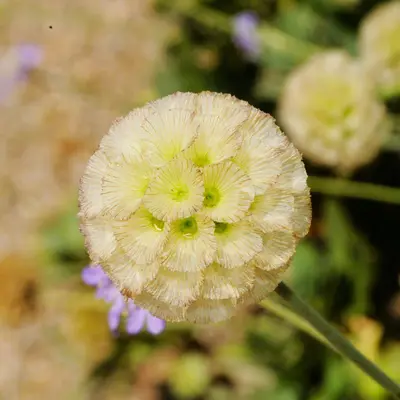
Cherry Caramel's unique color combination makes it popular with designers and gardeners alike. From our trials, we've selected phlox varieties with the tallest stems and most desirable colors. Annual phlox produces charming and abundant blooms on branched stems.
Harvest
50-65d
Days to harvest
Sun
Full sun to partial shade
Zones
2–11
USDA hardiness
Height
6-15 inches
Planting Timeline
Showing dates for Phlox Drummond Mix in USDA Zone 7
All Zone 7 flower →Zone Map
Click a state to update dates
Phlox Drummond Mix · Zones 2–11
Growing Details
Succession Planting
Direct sow every 3 weeks from April 1 through early June in zone 7, stopping once daytime highs are consistently hitting 85°F — phlox will still germinate above that, but germination drops off and the plants tend to bolt to seed faster than they flower. A late-February indoor sow (10–15 days to germination under lights) gives you transplants ready to go in by late April, which is the most reliable way to get a strong first flush before summer heat sets in.
For a fall cut-flower push, sow again directly around August 15–September 1 in zone 7. Cooler fall temps keep the plants compact and floriferous through October. Skip a midsummer sow — the heat window between June and mid-August produces leggy, quick-to-bolt plants that aren't worth the bed space.
Complete Growing Guide
Light: Full sun (6 or more hours of direct sunlight a day), Partial Shade (Direct sunlight only part of the day, 2-6 hours). Soil: Clay, High Organic Matter, Loam (Silt), Sand, Shallow Rocky. Soil pH: Acid (<6.0), Neutral (6.0-8.0). Drainage: Good Drainage, Occasionally Dry. Height: 0 ft. 6 in. - 1 ft. 3 in.. Spread: 0 ft. 6 in. - 1 ft. 6 in.. Spacing: Less than 12 inches. Growth rate: Rapid. Maintenance: Low. Propagation: Seed. Regions: Coastal, Mountains, Piedmont.
Harvesting
The fruit is dry and splits open when ripe
Type: Capsule. Length: < 1 inch. Width: < 1 inch.
Harvest time: Fall
Storage & Preservation
Fresh cut Phlox Drummond flowers last 5-7 days when properly handled. Immediately after cutting, recut stems underwater at an angle and place in clean vase with lukewarm water. Add flower food or a teaspoon of sugar plus a few drops of bleach to extend vase life.
For dried flowers, harvest when blooms are just opening and hang small bundles upside down in a dark, well-ventilated area for 2-3 weeks. The papery texture preserves well, though colors fade to soft pastels. Press individual flowers between wax paper for craft projects—their flat face makes them ideal for pressing.
Seeds can be collected for next year's garden. Allow some flower heads to mature and turn brown on the plant, then collect and store in paper envelopes in a cool, dry location. Properly stored seeds remain viable for 2-3 years.
History & Origin
Origin: Texas
Advantages
- +Attracts: Butterflies, Hummingbirds
- +Fast-growing
- +Low maintenance
Companion Plants
Marigolds — French marigolds (Tagetes patula) specifically — are worth planting in the same bed. They repel thrips through root and foliar chemical emissions, and thrips are one of the few pests that do real cosmetic damage to Phlox drummondii blooms. Sweet Alyssum is a strong pairing too: its tiny flowers draw parasitic wasps that keep aphid populations from getting out of hand, and at 3–4 inches tall it won't shade out the phlox. Nasturtiums pull double duty as a trap crop for aphids, drawing them away from the phlox itself. In our zone 7 Georgia garden, Cosmos and Zinnias fill height gaps nicely in a cutting-flower bed — all three are shallow-rooted annuals that don't compete much belowground.
Black Walnut is the hard no. Juglone — the compound it releases from roots, hulls, and decomposing leaf litter — accumulates in soil within roughly 50 feet of the trunk and stunts or kills a wide range of annuals, phlox included. Fennel is the other plant to keep across the yard; it's broadly inhibitory to most garden neighbors through root exudates and has no practical reason to share a flower bed.
Plant Together
Marigolds
Repel aphids, spider mites, and other pests that commonly attack phlox
Sweet Alyssum
Attracts beneficial insects like lacewings and provides ground cover
Nasturtiums
Act as trap crops for aphids and cucumber beetles, protecting phlox
Petunias
Repel aphids, tomato hornworms, and other garden pests
Zinnias
Attract beneficial pollinators and predatory insects while sharing similar growing conditions
Cosmos
Attract beneficial insects and provide complementary height and texture
Lavender
Repels moths, fleas, and aphids while attracting beneficial pollinators
Cleome
Attracts beneficial insects and provides vertical interest without competing for space
Keep Apart
Black Walnut
Produces juglone, a toxic compound that inhibits growth of phlox and many other plants
Eucalyptus
Releases allelopathic compounds that inhibit germination and growth of nearby plants
Fennel
Produces allelopathic chemicals that can stunt growth of phlox and other garden plants
Pests & Disease Resistance
Resistance
Good resistance when grown with proper spacing and air circulation
Common Pests
Aphids, spider mites, thrips
Diseases
Powdery mildew in humid conditions, root rot in wet soils
Troubleshooting Phlox Drummond Mix
What you'll see, why it happens, and what to do about it.
White powdery coating on leaves and stems, usually showing up mid-summer when nights get humid
Likely Causes
- Powdery mildew (Erysiphe cichoracearum) — thrives when daytime temps are 60–80°F with high overnight humidity
- Poor airflow from planting too close together at under 4 inches
What to Do
- 1.Thin plants to at least 4–6 inches apart to open up airflow
- 2.Spray affected foliage with a diluted neem oil solution (2 tbsp per gallon) every 7 days until symptoms stop spreading
- 3.Pull and trash badly infected plants — don't compost them
Plants wilting and collapsing at the base despite adequate watering, stems brown and soft at soil level
Likely Causes
- Root rot from Pythium or Rhizoctonia — both triggered by waterlogged, poorly draining soil
- Overwatering in heavy clay soil that doesn't drain between rain events
What to Do
- 1.Pull the collapsed plants — they won't recover once the crown is gone
- 2.Amend the bed with 2–3 inches of compost worked in before replanting to improve drainage
- 3.Water only when the top inch of soil is dry; Phlox drummondii handles short dry spells fine once established at 3–4 weeks
Tiny, distorted new growth with sticky residue on stems and buds, sometimes with a sooty black coating developing
Likely Causes
- Aphid colonies (commonly green peach aphid, Myzus persicae) feeding on new tissue
- Sooty mold developing on aphid honeydew as a secondary problem
What to Do
- 1.Knock aphids off with a firm stream of water from a hose — do this in the morning so foliage dries before evening
- 2.If the infestation is heavy, apply insecticidal soap (follow label dilution, usually 2.5 tbsp per gallon) directly to colonies
- 3.Check for and remove ant trails around the base — ants farm aphids and will keep reintroducing them to your plants
Frequently Asked Questions
How long does Phlox Drummond Mix take to bloom from seed?▼
Can you grow Phlox Drummond Mix in containers?▼
Is Phlox Drummond Mix good for beginners?▼
When should I plant Phlox Drummond Mix seeds?▼
Does Phlox Drummond Mix come back every year?▼
How do you prevent powdery mildew on Phlox Drummond?▼
Zone-by-Zone Planting Calendar
| Zone | Indoor Start | Transplant | Direct Sow | Harvest |
|---|---|---|---|---|
| Zone 1 | May – June | July – August | July – September | — |
| Zone 2 | April – May | June – July | June – August | — |
| Zone 11 | January – January | January – February | January – March | — |
| Zone 12 | January – January | January – February | January – March | — |
| Zone 13 | January – January | January – February | January – March | — |
| Zone 3 | April – May | June – July | June – August | — |
| Zone 4 | March – April | June – June | June – July | — |
| Zone 5 | March – April | May – June | May – July | — |
| Zone 6 | March – April | May – June | May – July | — |
| Zone 7 | February – March | April – May | April – June | — |
| Zone 8 | February – March | April – May | April – June | — |
| Zone 9 | January – February | March – April | March – May | — |
| Zone 10 | January – January | February – March | February – April | — |
Growing Guides from Wind River Greens
Sources & References
External authority sources used in compiling this guide.
- ExtensionNC State Extension
See the Methodology page for how this data is sourced, what's AI-assisted, and known limitations.