Mayapple
Podophyllum peltatum
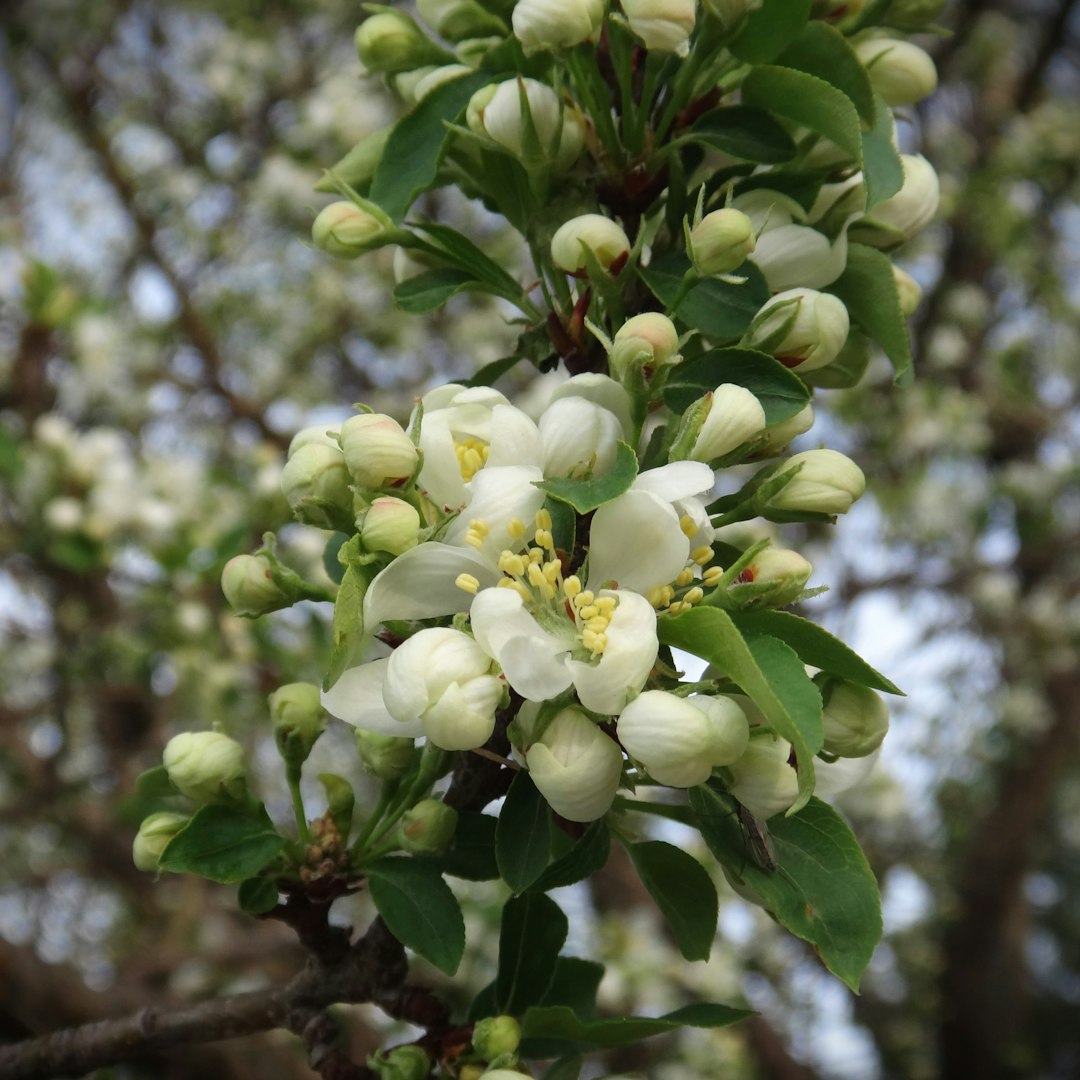
Mayapple (Podophyllum peltatum) is a perennial native wildflower. Hardy in USDA zones 3 to 8. Prefers part sun.
Sun
Partial shade
Zones
3–8
USDA hardiness
Height
12-18 inches
Planting Timeline
Showing dates for Mayapple in USDA Zone 7
All Zone 7 native-wildflower →Zone Map
Click a state to update dates
Mayapple · Zones 3–8
Growing Details
Complete Growing Guide
Light: Deep shade (Less than 2 hours to no direct sunlight), Partial Shade (Direct sunlight only part of the day, 2-6 hours). Soil: High Organic Matter, Loam (Silt), Sand. Soil pH: Acid (<6.0). Drainage: Good Drainage, Moist, Occasionally Wet. Height: 1 ft. 0 in. - 1 ft. 6 in.. Spread: 0 ft. 9 in. - 1 ft. 0 in.. Spacing: 12 inches-3 feet. Maintenance: Low. Propagation: Division, Seed. Regions: Coastal, Mountains, Piedmont.
Harvesting
The pollinated flowers produce green oval-shaped berry-like fruits. The fruit ripens to a golden yellow in the late summer. They measure 1.5 to 2 inches long and are edible when ripened; however, the tan seeds are inedible.
Color: Gold/Yellow, Green. Type: Berry. Length: 1-3 inches. Width: 1-3 inches.
Garden value: Edible, Showy
Harvest time: Spring, Summer
Storage & Preservation
Mayapple seeds require cold stratification to germinate and should be stored in cool, dry conditions. Mix cleaned, dry seeds with slightly moist sand or peat moss, seal in a plastic bag, and refrigerate at 35–40°F for 30 days before spring sowing. Properly stored seeds remain viable for 2–3 years. If dividing rhizomes (the only vegetative propagation method), wrap freshly dug divisions in damp burlap, keep in a cool cellar, and plant within 1–2 weeks. Rhizome divisions do not dry well and should never be allowed to desiccate. Root cuttings are not practical for home gardeners. For those interested in the plant's historical medicinal uses, dried leaf material can be stored in sealed containers in a cool, dark location, though handling requires caution and knowledge of safe preparation.
History & Origin
Origin: South East Canada to Central & Southeastern U.S.A
Advantages
- +Attracts: Bees, Small Mammals, Specialized Bees
- +Low maintenance
Considerations
- -Toxic (Leaves, Roots, Seeds, Stems): High severity
- -Causes contact dermatitis
Companion Plants
Wild Ginger (Asarum canadense) is the most practical pairing — both species want the same soil pH (around 6.0), colonize at a comparable pace, and root at similar depths, so they tend to settle into each other without one taking over. Trillium, Bloodroot, and Jack-in-the-Pulpit are worth planting nearby for a different reason: they emerge earlier and go dormant at staggered times, which keeps the soil surface occupied across a longer window without putting any real pressure on Mayapple's light or water budget. Ferns and Hostas earn their spot by filling in after Mayapple dies back in July — they cover the bare ground the colony leaves behind, which would otherwise just grow weeds.
Black Walnut poisons the surrounding soil with juglone, a compound that leaches from roots and decomposing leaf litter; Mayapple rhizomes planted within range will decline slowly and there's no fix short of relocating one of them. Mint is a different kind of problem — it doesn't produce any toxic compound, it just runs. Its shallow stolons spread 12–18 inches a season and will physically block Mayapple's emergence points within a few years. Ajuga mats out the same way and is equally hard to pull back once it's established.
Plant Together
Wild Ginger
Shares similar shade and moisture requirements, creates complementary ground cover
Trillium
Compatible spring ephemeral with similar soil and light needs
Bloodroot
Both are spring ephemerals that emerge and go dormant on similar schedules
Jack-in-the-Pulpit
Thrives in same moist, shaded woodland conditions and soil type
Wild Leek
Compatible timing as both utilize early spring sunlight before canopy leafs out
Ferns
Provide continued ground cover after mayapple goes dormant in summer
Hostas
Similar shade tolerance and moisture needs, complement mayapple's broad leaves
Violets
Low-growing companion that doesn't compete for the same soil layer
Keep Apart
Black Walnut
Produces juglone which is toxic to mayapple and inhibits growth
Mint
Aggressive spreader that can outcompete mayapple's slower rhizome expansion
Ajuga
Forms dense mat that prevents mayapple shoots from emerging in spring
Troubleshooting Mayapple
What you'll see, why it happens, and what to do about it.
Leaves emerging in spring then collapsing and turning brown by late May, even in a shaded spot
Likely Causes
- Late frost damage — Mayapple pushes up early and the umbrella-like leaves are vulnerable to temps below 28°F
- Sudden soil drying after a wet spring; the rhizomes are shallow and don't tolerate drought once leaves are fully open
What to Do
- 1.Lay a loose layer of straw or shredded leaves over the bed if a late frost is forecast — remove it once temps stabilize above 32°F
- 2.Water deeply (1 inch) once a week during dry spells from May through June; the plant will go dormant on its own by midsummer regardless, so don't panic if it disappears by July
Yellow, water-soaked patches spreading across the leaf surface, sometimes with a faint white mold on the underside
Likely Causes
- Downy mildew (Peronospora or related oomycete) — favored by cool, wet springs with poor air circulation
- Planting too densely so the canopy traps moisture overnight
What to Do
- 1.Thin the colony by removing a few rhizome sections if plants are packed tighter than 12 inches — Mayapple spreads fast and benefits from occasional thinning
- 2.Avoid overhead watering; use a soaker hose or water at the base to keep foliage dry
- 3.Remove and bag (don't compost) severely affected leaves to reduce spore load
Irregular rust-colored pustules or spots with yellow halos on leaves mid-season
Likely Causes
- Podophyllum rust (Puccinia podophylli) — a host-specific rust fungus; more common after humid stretches in June and July
- Prolonged leaf wetness from overhead irrigation or dense tree-canopy drip pooling on the broad leaves
What to Do
- 1.Light rust infection isn't worth treating — Mayapple is headed toward summer dormancy anyway, and the rhizome will come back fine next spring
- 2.If the same beds get hit hard two or three years running, thin the planting by 30% and clear any debris from around the crown each fall
- 3.Skip sulfur-based fungicides if Bloodroot or Trillium are growing nearby — both are sensitive to sulfur residue
Large, ragged holes chewed through leaves overnight, worst during cool and damp stretches
Likely Causes
- Common brown garden slug (Arion rufus) or gray garden slug (Deroceras reticulatum) — both thrive in the shaded, moist conditions Mayapple needs
- Heavy mulch layer providing daytime cover within a few inches of the crown
What to Do
- 1.Apply iron phosphate bait (Sluggo or equivalent) in a ring around the colony — it's safe around wildlife and won't harm the rhizomes
- 2.Pull mulch back 3–4 inches from the crown so slugs have less refuge right at the base
- 3.Hand-pick at dusk with a flashlight for 3 or 4 nights running — it makes a real dent in small infestations
Frequently Asked Questions
How long does mayapple take to mature and spread?▼
Can you grow mayapple in containers or pots?▼
What are mayapple's light and soil requirements?▼
When does mayapple flower, and is it fragrant?▼
How do I propagate mayapple?▼
Is mayapple safe to grow around pets and children?▼
Zone-by-Zone Planting Calendar
Growing Guides from Wind River Greens
Sources & References
External authority sources used in compiling this guide.
- ExtensionNC State Extension
See the Methodology page for how this data is sourced, what's AI-assisted, and known limitations.