Emerald Tassels
Amaranthus caudatus
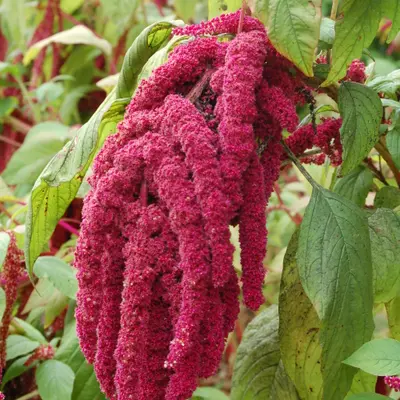
Fantastic color and texture for fresh bouquets or large containers. When dried, the blooms turn from green to a light tan color that works well in fall arrangements. Common names include amaranth and tassel flower.
Harvest
65-75d
Days to harvest
Sun
Full sun to partial shade
Zones
2–11
USDA hardiness
Height
3-5 feet
Planting Timeline
Showing dates for Emerald Tassels in USDA Zone 7
All Zone 7 flower →Zone Map
Click a state to update dates
Emerald Tassels · Zones 2–11
Growing Details
Succession Planting
Emerald Tassels keeps producing flowers and tassels over a long season once it's up and running, so you don't need to succession sow the way you would with lettuce or cilantro. One indoor start in February-March plus a direct sow in April gives you plants at staggered stages and carries you comfortably through until frost.
Complete Growing Guide
Fantastic color and texture for fresh bouquets or large containers. When dried, the blooms turn from green to a light tan color that works well in fall arrangements. Common names include amaranth and tassel flower. According to Johnny's Selected Seeds, Emerald Tassels is 65 - 75 days to maturity, annual, open pollinated. Notable features: Use for Cut Flowers and Bouquets, Ideal for Drying and Crafts.
Light: Full sun (6 or more hours of direct sunlight a day), Partial Shade (Direct sunlight only part of the day, 2-6 hours). Drainage: Good Drainage. Height: 3 ft. 0 in. - 5 ft. 0 in.. Spread: 1 ft. 0 in. - 2 ft. 0 in.. Spacing: 12 inches-3 feet. Growth rate: Medium. Maintenance: Low. Propagation: Seed.
Harvesting
Emerald Tassels reaches harvest at 65 - 75 days from sowing per Johnny's Selected Seeds. As an annual, harvest continues until frost ends the season.
Type: Achene.
Edibility: Seeds, leaves
Storage & Preservation
Fresh cut Emerald Tassels keeps best in a clean vase with fresh, cool water changed every 2-3 days; room-temperature display extends enjoyment over 7-10 days. For longer storage before arranging, wrap stems loosely in damp paper towels and refrigerate at 35-40°F for up to 5 days.
The primary preservation method is air-drying: hang stems upside-down in small bundles in a warm (60-75°F), dry, dark location with good air circulation. Complete drying takes 2-3 weeks; dried flowers stored in a dry container away from direct light remain vibrant for 1-2 years. Alternatively, silica gel drying preserves color more intensely but requires more labor. For maximum lifespan, keep dried arrangements out of direct sunlight and high-humidity environments, as moisture rehydrates the stems and promotes mold.
History & Origin
Emerald Tassels is open-pollinated, meaning seed saved from healthy plants will produce true-to-type offspring. Listed in the Johnny's Selected Seeds catalog.
Origin: Ecuador to NW. Argentina
Advantages
- +Vibrant green color adds unique freshness to bouquet arrangements
- +Versatile for both fresh and dried flower displays
- +Natural color transformation to tan enhances fall decorations
- +Quick 65-75 day growth cycle allows multiple plantings
- +Easy cultivation makes it perfect for beginner gardeners
Considerations
- -Green blooms may fade or brown in direct intense heat
- -Tall growth habit requires staking in windy locations
- -Attracts spider mites in hot, dry growing conditions
Companion Plants
Marigolds and nasturtiums pull the most weight here — French marigolds like 'Petite Gold' secrete thiophenes from their roots that suppress soil-dwelling pests, while nasturtiums act as a trap crop, pulling aphids off the amaranth before they become a real problem. Sweet alyssum draws in parasitic wasps and hoverflies that handle soft-bodied pests without you doing much. Black walnut is the one to plant nowhere near this bed: juglone moves through the soil far enough that in our zone 7 Georgia gardens, a walnut at the back fence can affect a surprising chunk of your growing space. Sunflowers compete hard for the same vertical light and show some allelopathic effects on neighboring annuals — not worth the gamble at 12-18 inch spacing.
Plant Together
Marigolds
Repel nematodes and aphids while attracting beneficial insects
Lavender
Deters pests with strong fragrance and attracts pollinators
Sweet Alyssum
Attracts beneficial insects like lacewings and provides ground cover
Nasturtiums
Act as trap crops for aphids and cucumber beetles
Catmint
Repels ants, aphids, and rodents while attracting beneficial insects
Zinnia
Attracts butterflies and beneficial predatory insects
Cosmos
Attracts beneficial insects and provides structural support
Borage
Improves soil and attracts pollinators while deterring hornworms
Keep Apart
Black Walnut
Produces juglone toxin that inhibits growth of many flowering plants
Eucalyptus
Releases allelopathic compounds that suppress nearby plant growth
Sunflowers
Compete aggressively for nutrients and water, may stunt smaller plants
Pests & Disease Resistance
Common Pests
Minimal; occasionally spider mites in hot, dry conditions
Diseases
Rare; root rot if soil is waterlogged
Troubleshooting Emerald Tassels
What you'll see, why it happens, and what to do about it.
Fine webbing on undersides of leaves, foliage looking dusty or stippled, usually mid-summer
Likely Causes
- Two-spotted spider mite (Tetranychus urticae) — thrives when temps exceed 90°F and humidity drops
- Plants stressed by drought or poor soil, which makes them more susceptible
What to Do
- 1.Blast the undersides of leaves with a strong jet of water every 2-3 days — it knocks mite populations back fast
- 2.If the infestation is heavy, apply insecticidal soap or neem oil, making sure to coat the leaf undersides
- 3.Water consistently at the base; drought-stressed plants draw mites in much faster than healthy ones
Stems turning dark brown or black at the soil line, plant collapsing at the base
Likely Causes
- Root rot caused by Pythium or Phytophthora spp. — almost always from waterlogged soil or a bed with poor drainage
- Planting too early into cold, wet spring soil (below 60°F)
What to Do
- 1.Pull the affected plant — there's no saving a collapsed stem — and improve drainage in that spot before replanting
- 2.Amend heavy clay beds with 2-3 inches of coarse compost worked in before sowing
- 3.Wait until soil temps hit at least 60°F before direct sowing; Emerald Tassels hates cold, wet feet
Seedlings emerge then fall over at the soil line, often in patches across the flat or bed
Likely Causes
- Damping off — a complex of fungal pathogens including Rhizoctonia solani and Fusarium spp., triggered by cold, wet, poorly ventilated conditions
- Overwatering seedling trays or sowing too densely
What to Do
- 1.Thin seedlings to at least 1 inch apart as soon as the first true leaves appear — crowded seedlings stay wet longer
- 2.Water trays from the bottom rather than overhead, and run a small fan near indoor starts to keep air moving
- 3.Use a sterile seed-starting mix, not garden soil, which carries these pathogens
Frequently Asked Questions
How long does Emerald Tassels take to grow from seed to harvest?▼
Can you grow Emerald Tassels in containers?▼
Is Emerald Tassels good for beginners?▼
When should I plant Emerald Tassels seeds?▼
What's the difference between Emerald Tassels and other amaranth varieties?▼
How do you dry Emerald Tassels flowers?▼
Zone-by-Zone Planting Calendar
| Zone | Indoor Start | Transplant | Direct Sow | Harvest |
|---|---|---|---|---|
| Zone 3 | April – May | June – July | June – August | — |
| Zone 4 | March – April | June – June | June – July | — |
| Zone 5 | March – April | May – June | May – July | — |
| Zone 6 | March – April | May – June | May – July | — |
| Zone 7 | February – March | April – May | April – June | — |
| Zone 8 | February – March | April – May | April – June | — |
| Zone 9 | January – February | March – April | March – May | — |
| Zone 10 | January – January | February – March | February – April | — |
| Zone 1 | May – June | July – August | July – September | — |
| Zone 2 | April – May | June – July | June – August | — |
| Zone 11 | January – January | January – February | January – March | — |
| Zone 12 | January – January | January – February | January – March | — |
| Zone 13 | January – January | January – February | January – March | — |
Growing Guides from Wind River Greens
Sources & References
External authority sources used in compiling this guide.
- BreederJohnny's Selected Seeds
See the Methodology page for how this data is sourced, what's AI-assisted, and known limitations.