Giant Hybrid Mix
Dahlia variabilis
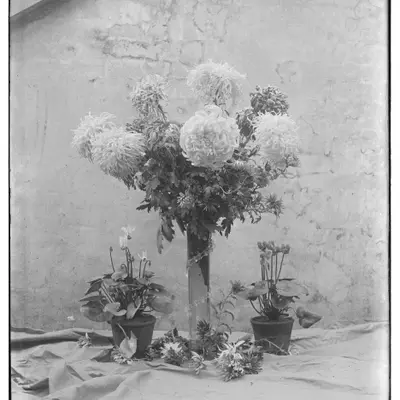
Get started with dahlias by growing from seed, an easy and economical alternative to tubers. Under normal to optimal conditions, seeds germinate readily, and plants grow quickly. In our trials, plants bloom mid-July through to the first hard frost. Giant Hybrid Mix produces 3-5" double, semidouble, and single blooms. Mix includes solid and bicolor blooms in shades of salmon, coral, white, light yellow, red, and lavender. NOTE: Double blooms in varieties produced from seed are generally not as fully double as those of named varieties maintained and propagated by tubers, which have been specially selected for numerous and dense petals, among other desirable traits. Edible Flowers: The mild-flavored flowers are a colorful garnish for use in salads, desserts, and drinks. Tubers are also edible.
Harvest
75-90d
Days to harvest
Sun
Full sun to partial shade
Zones
7–10
USDA hardiness
Height
1-6 feet
Planting Timeline
Showing dates for Giant Hybrid Mix in USDA Zone 7
All Zone 7 flower →Zone Map
Click a state to update dates
Giant Hybrid Mix · Zones 7–10
Growing Details
Complete Growing Guide
Get started with dahlias by growing from seed, an easy and economical alternative to tubers. Under normal to optimal conditions, seeds germinate readily, and plants grow quickly. In our trials, plants bloom mid-July through to the first hard frost. Giant Hybrid Mix produces 3-5" double, semidouble, and single blooms. Mix includes solid and bicolor blooms in shades of salmon, coral, white, light yellow, red, and lavender. NOTE: Double blooms in varieties produced from seed are generally not as fully double as those of named varieties maintained and propagated by tubers, which have been specially selected for numerous and dense petals, among other desirable traits. Edible Flowers: The mild-flavored flowers are a colorful garnish for use in salads, desserts, and drinks. Tubers are also edible. According to Johnny's Selected Seeds, Giant Hybrid Mix is 75 - 90 days to maturity, annual, open pollinated. Notable features: Use for Cut Flowers and Bouquets, Edible Flowers.
Light: Full sun (6 or more hours of direct sunlight a day), Partial Shade (Direct sunlight only part of the day, 2-6 hours). Soil: High Organic Matter. Drainage: Good Drainage, Moist. Height: 1 ft. 0 in. - 6 ft. 0 in.. Spread: 1 ft. 0 in. - 3 ft. 0 in.. Spacing: 12 inches-3 feet. Growth rate: Rapid. Maintenance: High. Propagation: Division, Root Cutting. Regions: Coastal, Mountains, Piedmont.
Harvesting
Giant Hybrid Mix reaches harvest at 75 - 90 days from sowing per Johnny's Selected Seeds. Expect 3-5" at peak. As an annual, harvest continues until frost ends the season.
Edibility: Were grown as a food crop by Aztecs, but the practice has died out.
Storage & Preservation
Fresh Cut Flowers: Condition cut stems by placing them immediately in cool water with floral preservative for 2-4 hours before arranging. Change water every 2-3 days and trim stem ends at an angle. Vase life is typically 5-7 days in cool conditions (65-70°F). Keep away from ripening fruit and direct sunlight, which hasten wilting. Edible Petals: Store fresh petals in an airtight container lined with paper towels in the refrigerator for up to 2-3 days. For longer preservation, freeze petals in ice cube trays with a bit of water and use within 3 months for drinks and desserts. Alternatively, dry petals on a paper towel at room temperature in a dark, well-ventilated space for 1-2 weeks, then store in an airtight container for edible decoration.
History & Origin
Giant Hybrid Mix is open-pollinated, meaning seed saved from healthy plants will produce true-to-type offspring. Listed in the Johnny's Selected Seeds catalog.
Origin: Mexico, Central America, northern South America
Advantages
- +Easy and economical to grow from seed instead of tubers
- +Seeds germinate readily and plants grow quickly under normal conditions
- +Produces abundant 3-5" double and semidouble blooms mid-July to frost
- +Wide color variety includes salmon, coral, white, yellow, red, lavender
- +Edible flowers provide colorful garnish for salads, desserts, and drinks
Considerations
- -Double blooms less fully double than named tuber-propagated varieties
- -Seed-grown plants show less consistency than specially selected named varieties
- -Requires 75-90 days to bloom, limiting use in short seasons
- -Single and semidouble blooms may disappoint dahlia purists seeking full doubles
Companion Plants
Marigolds (especially Tagetes patula) are the most practical neighbor for dahlias — their root secretions suppress soil nematodes, and their scent disrupts the flight patterns of thrips and aphids that target dahlia blooms. Sweet Alyssum at the border pulls in parasitic wasps and hoverflies, which prey on the aphids responsible for spreading dahlia mosaic virus. Nasturtiums act as a trap crop: Myzus persicae and other aphid species tend to pile onto them first, so you can remove or spray those plants before the pressure shifts to your dahlias. Calendula draws pollinators and has a mild deterrent effect on whitefly.
Black Walnut (Juglans nigra) is the one to keep off the property entirely if you're serious about dahlias — juglone leaches from roots, decomposing leaves, and hulls into surrounding soil, and dahlias show sensitivity through progressive wilting and decline even without direct contact. Fennel causes a different kind of trouble: it releases allelopathic compounds that stunt the root development of most neighboring plants, dahlias included, and it tends to suppress rather than share.
Plant Together
Marigolds
Repel nematodes, aphids, and other garden pests while attracting beneficial insects
Nasturtiums
Act as trap crops for aphids and cucumber beetles, also repel squash bugs
Sweet Alyssum
Attracts beneficial insects like lacewings and hoverflies that control aphids
Cosmos
Attracts pollinators and beneficial predatory insects while providing structural diversity
Zinnia
Attracts butterflies, bees, and beneficial predators while having similar growing requirements
Calendula
Repels aphids, whiteflies, and nematodes while attracting beneficial insects
Lavender
Repels moths, fleas, and mosquitoes with its strong fragrance
Borage
Attracts pollinators and beneficial insects while improving soil with deep taproot
Keep Apart
Black Walnut
Releases juglone toxin that inhibits growth and can kill many flowering plants
Fennel
Produces allelopathic compounds that inhibit germination and growth of nearby plants
Eucalyptus
Releases allelopathic chemicals that suppress growth of most other plants
Pests & Disease Resistance
Common Pests
Spider mites, thrips, aphids
Diseases
Powdery mildew, dahlia mosaic virus, crown rot in waterlogged soil
Troubleshooting Giant Hybrid Mix
What you'll see, why it happens, and what to do about it.
Fine webbing on undersides of leaves, with stippled or bronzed foliage — usually showing up during hot, dry stretches
Likely Causes
- Two-spotted spider mite (Tetranychus urticae) — thrives when temperatures push above 85°F and humidity drops
- Dusty conditions that go unirrigated for too long
What to Do
- 1.Blast the undersides of leaves with a strong jet of water every 2-3 days to knock mites off and disrupt reproduction
- 2.Apply insecticidal soap or neem oil in the early morning, covering leaf undersides thoroughly — repeat every 5-7 days for 3 applications
- 3.Mulch around the base to reduce the dry, hot microclimate mites prefer
White powdery coating on upper leaf surfaces, starting on older leaves and spreading, typically mid-to-late season
Likely Causes
- Powdery mildew (Erysiphe cichoracearum) — spreads in warm days and cool nights, especially with poor airflow
- Crowded planting under 18 inches apart that traps humidity around foliage
What to Do
- 1.Remove and trash (don't compost) any heavily coated leaves immediately
- 2.Spray with a diluted baking soda solution (1 tablespoon per gallon of water) or potassium bicarbonate fungicide weekly on remaining healthy foliage
- 3.Space plants at least 18-24 inches apart and switch to drip or base watering to keep foliage dry
Stunted, distorted new growth with mottled yellow-green patterns on leaves that don't look like a nutrient problem
Likely Causes
- Dahlia mosaic virus — spread by aphids (particularly Myzus persicae, the green peach aphid) feeding and moving between plants
- Infected tubers or transplants introduced into the garden
What to Do
- 1.Pull and dispose of any plant showing mosaic symptoms — there's no cure, and it will spread to healthy plants
- 2.Hit aphid populations with insecticidal soap sprays every 4-5 days, focusing on new growth where they cluster
- 3.Source tubers only from reputable suppliers and inspect them closely before planting
Stem base turning brown and mushy at soil level, plant wilting even when the soil is wet
Likely Causes
- Crown rot caused by Sclerotinia or Pythium species in waterlogged, poorly draining soil
- Planting in a low spot that holds water after rain, or overwatering during cool weather when the plant isn't actively growing
What to Do
- 1.Pull the affected plant — it won't recover — and don't replant dahlias in that spot this season
- 2.Before next planting, work in 2-3 inches of compost to improve drainage, or build up a raised bed
- 3.Let the top inch of soil dry out slightly before each watering; dahlias want consistent moisture, not constant saturation
Frequently Asked Questions
How long does Giant Hybrid Mix take from seed to first bloom?▼
Can you grow Giant Hybrid Mix dahlias from seed indoors?▼
Do Giant Hybrid Mix dahlias grow well in containers?▼
Are Giant Hybrid Mix dahlia flowers edible?▼
What's the difference between seed-grown and tuber-grown dahlias?▼
How do you prevent powdery mildew on Giant Hybrid Mix?▼
Zone-by-Zone Planting Calendar
| Zone | Indoor Start | Transplant | Direct Sow | Harvest |
|---|---|---|---|---|
| Zone 1 | May – June | July – August | July – September | — |
| Zone 2 | April – May | June – July | June – August | — |
| Zone 11 | January – January | January – February | January – March | — |
| Zone 12 | January – January | January – February | January – March | — |
| Zone 13 | January – January | January – February | January – March | — |
| Zone 3 | April – May | June – July | June – August | — |
| Zone 4 | March – April | June – June | June – July | — |
| Zone 5 | March – April | May – June | May – July | — |
| Zone 6 | March – April | May – June | May – July | — |
| Zone 7 | February – March | April – May | April – June | — |
| Zone 8 | February – March | April – May | April – June | — |
| Zone 9 | January – February | March – April | March – May | — |
| Zone 10 | January – January | February – March | February – April | — |
Growing Guides from Wind River Greens
Sources & References
External authority sources used in compiling this guide.
- ExtensionNC State Extension
- BreederJohnny's Selected Seeds
See the Methodology page for how this data is sourced, what's AI-assisted, and known limitations.