Black Button
Centaurea cyanus
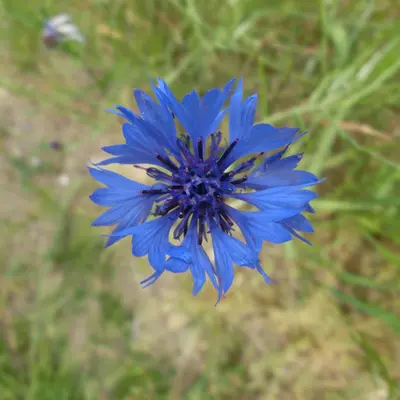
Upright plants produce abundant double and semidouble 1-1 1/2" blooms. Prefers cool temperatures. Also known as cornflower, garden cornflower, and bachelor's buttons. Edible Flowers: The petals are used to decorate desserts. Centaurea is also a popular choice for brightening up salad mix. Flavor is bland and mildly floral.
Harvest
65-75d
Days to harvest
Sun
Full sun to partial shade
Zones
2–11
USDA hardiness
Height
1-3 feet
Planting Timeline
Showing dates for Black Button in USDA Zone 7
All Zone 7 flower →Zone Map
Click a state to update dates
Black Button · Zones 2–11
Growing Details
Succession Planting
Direct sow every 2–3 weeks from April through early June in zone 7, stopping once daytime highs are regularly hitting 80°F — cornflowers bolt and go patchy in sustained heat. For a longer window, start your first round indoors in late February and transplant out in April, then follow with direct-sown rounds behind it. You'll get a solid 6–8 weeks of cut flowers before the heat shuts things down.
For a fall flush, direct sow again in late August once temperatures start backing off. Germination is reliable at soil temps between 60–65°F, so don't rush the fall sowing — seed sitting in warm soil tends to stall.
Complete Growing Guide
Upright plants produce abundant double and semidouble 1-1 1/2" blooms. Prefers cool temperatures. Also known as cornflower, garden cornflower, and bachelor's buttons. Edible Flowers: The petals are used to decorate desserts. Centaurea is also a popular choice for brightening up salad mix. Flavor is bland and mildly floral. According to Johnny's Selected Seeds, Black Button is 65 - 75 days to maturity, annual, open pollinated. Notable features: Use for Cut Flowers and Bouquets, Edible Flowers, Attracts Beneficial Insects.
Light: Full sun (6 or more hours of direct sunlight a day), Partial Shade (Direct sunlight only part of the day, 2-6 hours). Soil: Clay, High Organic Matter, Loam (Silt). Soil pH: Acid (<6.0), Alkaline (>8.0), Neutral (6.0-8.0). Drainage: Good Drainage, Moist. Height: 1 ft. 0 in. - 3 ft. 0 in.. Spread: 1 ft. 0 in. - 2 ft. 0 in.. Spacing: Less than 12 inches. Growth rate: Medium. Maintenance: High. Propagation: Seed.
Harvesting
Black Button reaches harvest at 65 - 75 days from sowing per Johnny's Selected Seeds. Expect 1-1 1/2" at peak. As an annual, harvest continues until frost ends the season.
Finely hairy, straw-colored at maturity with a tuft of short, stiff, light brown bristles at the tip.
Color: Cream/Tan. Type: Achene. Length: < 1 inch. Width: < 1 inch.
Harvest time: Fall
Edibility: Edible
Storage & Preservation
Fresh Black Button cornflowers should be stored upright in a vase with water at room temperature (65-70°F) away from direct sunlight, where they'll last 7-10 days. For longer storage, keep stems in cool water in the refrigerator (35-40°F) with 60-70% humidity for up to 2 weeks. For preservation: (1) Air-dry bundles hanging upside-down in a cool, dark, well-ventilated space for 2-3 weeks to use in dried arrangements; (2) Press petals between paper for 1-2 weeks to preserve for culinary decoration and herbal use; (3) Freeze petals in ice cube trays with water for decorative and culinary applications lasting several months.
History & Origin
Black Button is open-pollinated, meaning seed saved from healthy plants will produce true-to-type offspring. Listed in the Johnny's Selected Seeds catalog.
Origin: Western Asia, Europe
Advantages
- +Produces abundant double blooms on upright, compact plants
- +Ready to harvest in just 65-75 days from planting
- +Edible petals add visual appeal to desserts and salads
- +Thrives in cool temperatures, ideal for spring and fall
- +Easy to grow with minimal gardening experience required
Considerations
- -Black petals may lack visual impact compared to bright colors
- -Bland flavor profile limits culinary appeal in dishes
- -Prefers cooler climates, struggles in hot summer regions
Companion Plants
Marigolds and nasturtiums pull the most weight here. French marigold types like 'Petite Gold' push out aphids and whiteflies through root secretions, and since Black Button cornflowers are strong hoverfly and lacewing attractors, the two plants reinforce each other's pest suppression without much effort on your part. Nasturtiums work as a trap crop — aphids will pile onto them before touching your cornflowers, which buys you time to deal with the problem before it spreads. Sweet alyssum and catmint round out the bed by drawing in parasitic wasps that patrol everything within a few feet.
Black walnut is the one plant to keep off the same property entirely if you can. Walnut roots release juglone — a compound that moves through soil and stunts or kills a wide range of plants — and cornflowers are sensitive enough that proximity alone can cause unexplained wilting and dieback. Sunflowers are less dramatic but still a bad match: their canopy height (some varieties hit 6–8 feet) shades out cornflowers that need 4–6 hours of direct sun to bloom well, and their roots compete aggressively for the same shallow moisture zone.
Plant Together
Marigolds
Repel aphids, whiteflies, and nematodes while attracting beneficial insects
Nasturtiums
Act as trap crops for aphids and cucumber beetles, protecting nearby plants
Sweet Alyssum
Attracts beneficial insects like lacewings and hover flies for pest control
Lavender
Repels moths, fleas, and mosquitoes with its strong fragrance
Cosmos
Attracts pollinators and beneficial predatory insects while providing visual contrast
Catmint
Deters ants, aphids, and rodents while attracting beneficial pollinators
Zinnia
Attracts butterflies and beneficial insects while complementing growth habits
Parsley
Attracts beneficial insects and provides ground cover without competing for resources
Keep Apart
Black Walnut
Produces juglone toxin that inhibits growth and can kill sensitive flowering plants
Eucalyptus
Releases allelopathic compounds that suppress growth of nearby plants
Sunflowers
Compete aggressively for nutrients and water, may stunt growth of smaller flowers
Pests & Disease Resistance
Common Pests
Spotted cucumber beetle, flea beetle, spider mites
Diseases
Powdery mildew, rust, leaf spot
Troubleshooting Black Button
What you'll see, why it happens, and what to do about it.
White powdery coating spreading across leaves and stems, usually showing up after a stretch of warm days and cool nights
Likely Causes
- Powdery mildew (Erysiphe cichoracearum) — a fungal infection that thrives in humid air with poor circulation
- Crowded planting at less than 12 inches apart, trapping moisture between plants
What to Do
- 1.Cut out and trash the worst-affected stems — don't compost them
- 2.Spray remaining foliage with a diluted baking soda solution (1 tablespoon per gallon of water) every 7 days
- 3.Next season, stick to 12–18 inch spacing and avoid overhead watering
Small ragged holes chewed in young leaves and petals, especially on seedlings under 4 inches tall
Likely Causes
- Flea beetles (Phyllotreta spp.) — tiny, fast-jumping beetles that riddle foliage with shot-hole damage
- Spotted cucumber beetle (Diabrotica undecimpunctata) feeding on open flowers
What to Do
- 1.Cover seedlings with row cover until plants hit 6 inches — flea beetles do the most damage early
- 2.Direct sow into the garden rather than transplanting when possible; established plants handle flea beetle pressure far better than tender transplants
Frequently Asked Questions
How long do Black Button cornflowers last after cutting?▼
Is Black Button cornflower good for beginners?▼
Can you grow Black Button cornflowers in containers?▼
What does Black Button cornflower taste like?▼
When should I plant Black Button cornflowers?▼
Are Black Button cornflowers the same as bachelor's buttons?▼
Zone-by-Zone Planting Calendar
| Zone | Indoor Start | Transplant | Direct Sow | Harvest |
|---|---|---|---|---|
| Zone 3 | April – May | June – July | June – August | — |
| Zone 4 | March – April | June – June | June – July | — |
| Zone 5 | March – April | May – June | May – July | — |
| Zone 6 | March – April | May – June | May – July | — |
| Zone 7 | February – March | April – May | April – June | — |
| Zone 8 | February – March | April – May | April – June | — |
| Zone 9 | January – February | March – April | March – May | — |
| Zone 10 | January – January | February – March | February – April | — |
| Zone 1 | May – June | July – August | July – September | — |
| Zone 2 | April – May | June – July | June – August | — |
| Zone 11 | January – January | January – February | January – March | — |
| Zone 12 | January – January | January – February | January – March | — |
| Zone 13 | January – January | January – February | January – March | — |
Growing Guides from Wind River Greens
Sources & References
External authority sources used in compiling this guide.
- ExtensionNC State Extension
- BreederJohnny's Selected Seeds
See the Methodology page for how this data is sourced, what's AI-assisted, and known limitations.