Chantilly™ Light Pink
Antirrhinum majus
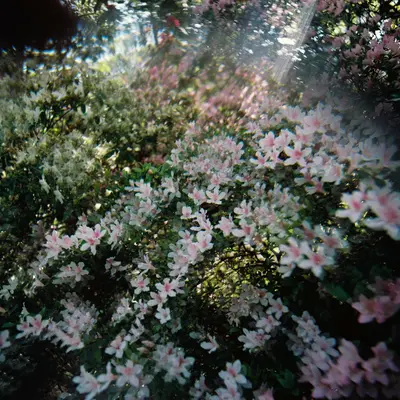
Group 1-2: Performs best under short days and low temperatures. Because Chantilly snapdragons are bred for short-day production, long-day growing conditions produce stems that are thin and weak. We do not recommend this variety for long-day production. Suitable for greenhouse or in the field. Bloom color is light pink. Edible Flowers: The flowers are a colorful garnish for use in salads, desserts, and drinks. The flavor is floral and slightly bitter, so use sparingly.
Harvest
100-110d
Days to harvest
Sun
Full sun to partial shade
Zones
7–10
USDA hardiness
Height
0-3 feet
Planting Timeline
Showing dates for Chantilly™ Light Pink in USDA Zone 7
All Zone 7 flower →Zone Map
Click a state to update dates
Chantilly™ Light Pink · Zones 7–10
Growing Details
Succession Planting
Snapdragons perform best in cool weather and start declining once daytime highs push past 80°F — which in zone 7 means they're running out of steam by late May or early June. Rather than a tight succession cadence, the more useful approach is a split season: start seeds indoors in February, transplant in April, and plan a second round started indoors in late July for a fall flush. That second planting will hit its stride in September and October when temperatures drop back into the 60s and 70s.
Direct sowing in April through June is possible, but those later sowings spend most of their productive life fighting heat they don't like. If you want a reliable cut flower, the February indoor sow is where most of your effort should go. Days to first bloom run 100–110 from seed, so count backward from your last expected cool window and don't fudge it.
Complete Growing Guide
Group 1-2: Performs best under short days and low temperatures. Because Chantilly snapdragons are bred for short-day production, long-day growing conditions produce stems that are thin and weak. We do not recommend this variety for long-day production. Suitable for greenhouse or in the field. Bloom color is light pink. Edible Flowers: The flowers are a colorful garnish for use in salads, desserts, and drinks. The flavor is floral and slightly bitter, so use sparingly. According to Johnny's Selected Seeds, Chantilly™ Light Pink is 100 - 110 days to maturity, annual, hybrid (f1). Notable features: Greenhouse Performer, Use for Cut Flowers and Bouquets, Edible Flowers, Fragrant.
Light: Full sun (6 or more hours of direct sunlight a day), Partial Shade (Direct sunlight only part of the day, 2-6 hours). Soil: High Organic Matter. Drainage: Good Drainage. Height: 0 ft. 6 in. - 3 ft. 0 in.. Spread: 0 ft. 6 in. - 0 ft. 10 in.. Spacing: Less than 12 inches. Growth rate: Medium. Maintenance: Medium.
Harvesting
Chantilly™ Light Pink reaches harvest at 100 - 110 days from sowing per Johnny's Selected Seeds. As an annual, harvest continues until frost ends the season.
A capsule, half hidden by calyx lobes, short-beaked.
Type: Capsule. Length: 1-3 inches.
Storage & Preservation
Fresh Chantilly® Light Pink snapdragon spikes last 10-14 days in a clean vase with fresh flower food and cool water (50-55°F). Change water every 2-3 days and re-cut stems at a 45-degree angle. Store cut stems in a cool location away from ripening fruit and direct sunlight to maximize vase life.
For preservation, air-dry mature spikes in small bundles (3-5 stems) hung upside-down in a cool, dark, well-ventilated space. Complete drying takes 2-3 weeks, resulting in papery flowers suitable for dried arrangements that retain color for months. Alternatively, press individual florets between parchment paper under heavy weight for 1-2 weeks to preserve them flat for floral crafts and resin projects. Edible flowers can be candied by brushing with egg white, dusting with superfine sugar, and air-drying 24-48 hours for decorative garnishes with 3-4 weeks shelf life.
History & Origin
Chantilly™ Light Pink is an F1 hybrid developed through controlled cross-pollination. Listed in the Johnny's Selected Seeds catalog.
Origin: Southwestern Europe
Advantages
- +Ideal for short-day production with excellent performance under cool conditions
- +Beautiful light pink blooms suitable for greenhouse and field cultivation
- +Edible flowers provide elegant garnish for salads, desserts, and beverages
- +Easy to grow with moderate difficulty level for most growers
- +Relatively quick production at 100-110 days from planting to bloom
Considerations
- -Long-day conditions produce thin, weak stems unsuitable for commercial use
- -Floral flavor is bitter, requiring sparingly in culinary applications
- -Specialized breeding limits versatility outside intended short-day environments
Companion Plants
Marigolds (especially French marigolds, Tagetes patula) are probably the most useful neighbor here. They repel aphids and thrips through root and foliar chemical compounds, and since both pests appear regularly on Chantilly snapdragons, that's a pairing worth making on purpose — not just for aesthetics. Sweet Alyssum does something different: it draws in parasitic wasps and hoverflies, whose larvae eat aphid colonies. Plant it as a low edging, 6–8 inches in front of your snapdragon rows, and you're putting a beneficial insect habitat right where it's needed.
Lavender and Catmint both contribute to pest confusion by masking the scent of nearby plants from whiteflies and thrips. They're also drought-tougher than snapdragons, so keep them toward the drier edge of the bed rather than competing for the consistent moisture Chantilly needs. Chives are a quiet overachiever in the cutting garden — they deter aphids and take up almost no horizontal space.
On the harmful side, Black Walnut is the obvious problem — its roots and decomposing hulls leach juglone into the surrounding soil, and snapdragons are sensitive enough that even proximity can stunt or kill them; give any Black Walnut a wide berth. Sunflowers are a softer concern, but in zone 7 Georgia gardens, large sunflower patches tend to accumulate aphid colonies by midsummer, and planting them immediately adjacent to snapdragons essentially imports the pest pressure you're trying to manage elsewhere in the bed.
Plant Together
Marigolds
Repel aphids, whiteflies, and nematodes while attracting beneficial insects
Sweet Alyssum
Attracts beneficial insects like lacewings and parasitic wasps that control pests
Nasturtiums
Act as trap crops for aphids and cucumber beetles, drawing pests away
Lavender
Repels moths, fleas, and flies while attracting pollinators
Catmint
Deters ants, aphids, and squash bugs while attracting bees
Zinnia
Attracts ladybugs and other beneficial predators that control aphids
Cosmos
Attracts beneficial insects and provides structural support without competition
Chives
Repel aphids and improve overall plant health through root secretions
Keep Apart
Black Walnut
Produces juglone toxin that inhibits growth and can kill sensitive flowering plants
Eucalyptus
Releases allelopathic compounds that suppress growth of nearby plants
Sunflowers
Compete aggressively for nutrients and water, can stunt growth of smaller flowers
Pests & Disease Resistance
Common Pests
Aphids, spider mites, whiteflies, thrips
Diseases
Powdery mildew, rust, root rot from overwatering
Troubleshooting Chantilly™ Light Pink
What you'll see, why it happens, and what to do about it.
Leaves and stems coated with a white or gray powdery film, usually showing up mid-season after nights stay warm and humid
Likely Causes
- Powdery mildew (Erysiphe spp.) — thrives when days are warm and nights cool down with high humidity, which is exactly what we get in late summer
- Poor airflow from crowded planting or beds backed against a fence
What to Do
- 1.Space plants at least 12 inches apart — 15 is better if you've had mildew problems before
- 2.Spray affected foliage with a diluted solution of potassium bicarbonate (1 tablespoon per gallon of water) every 7 days until growth looks clean
- 3.Remove and trash (don't compost) any heavily infected stems to slow spread
Orange or rusty-brown pustules on the undersides of leaves, with yellowing on the upper surface directly above each pustule
Likely Causes
- Snapdragon rust (Puccinia antirrhini) — a fungus that spreads by airborne spores and overwinters on plant debris
- Wet foliage from overhead irrigation or dense planting that keeps leaves damp overnight
What to Do
- 1.Pull and dispose of infected leaves immediately — this one spreads fast
- 2.Switch to drip irrigation or water at the base of the plant in the morning so foliage dries before evening
- 3.If rust is recurring year over year in the same bed, move snapdragons to a different spot for 1-2 seasons
Plants wilting despite moist soil, with dark brown or water-soaked tissue at the base of the stem near the soil line
Likely Causes
- Root rot — most commonly caused by Phytophthora or Pythium spp. in waterlogged or compacted soil
- Planting in low-lying areas where water pools after rain
What to Do
- 1.Dig up the affected plant and check the roots — if they're brown and mushy rather than white and firm, discard the whole plant
- 2.Amend the bed with compost or coarse perlite to improve drainage before replanting
- 3.Don't replant snapdragons in the same spot that season; the pathogen persists in wet soil
Frequently Asked Questions
How long does Chantilly Light Pink snapdragon take to grow?▼
Can you grow Chantilly Light Pink snapdragons outdoors in summer?▼
What are the ideal growing conditions for Chantilly Light Pink snapdragons?▼
Are Chantilly Light Pink snapdragons good for beginners?▼
Can you grow Chantilly Light Pink snapdragons in containers?▼
How do you use Chantilly Light Pink flowers as edible garnishes?▼
Zone-by-Zone Planting Calendar
| Zone | Indoor Start | Transplant | Direct Sow | Harvest |
|---|---|---|---|---|
| Zone 1 | May – June | July – August | July – September | — |
| Zone 2 | April – May | June – July | June – August | — |
| Zone 11 | January – January | January – February | January – March | — |
| Zone 12 | January – January | January – February | January – March | — |
| Zone 13 | January – January | January – February | January – March | — |
| Zone 3 | April – May | June – July | June – August | — |
| Zone 4 | March – April | June – June | June – July | — |
| Zone 5 | March – April | May – June | May – July | — |
| Zone 6 | March – April | May – June | May – July | — |
| Zone 7 | February – March | April – May | April – June | — |
| Zone 8 | February – March | April – May | April – June | — |
| Zone 9 | January – February | March – April | March – May | — |
| Zone 10 | January – January | February – March | February – April | — |
Growing Guides from Wind River Greens
Sources & References
External authority sources used in compiling this guide.
- BreederJohnny's Selected Seeds
See the Methodology page for how this data is sourced, what's AI-assisted, and known limitations.