Spotted Joe-Pye Weed
Eutrochium maculatum
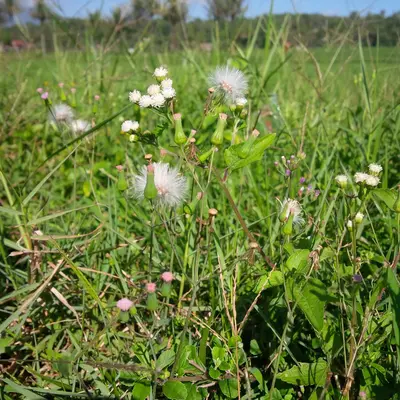
Spotted Joe-Pye Weed (Eutrochium maculatum) is a perennial native wildflower. Hardy in USDA zones 3 to 8.
Sun
Full sun to partial shade
Zones
3–8
USDA hardiness
Height
4-7 feet
Planting Timeline
Showing dates for Spotted Joe-Pye Weed in USDA Zone 7
All Zone 7 native-wildflower →Zone Map
Click a state to update dates
Spotted Joe-Pye Weed · Zones 3–8
Growing Details
Complete Growing Guide
Light: Full sun (6 or more hours of direct sunlight a day), Partial Shade (Direct sunlight only part of the day, 2-6 hours). Soil: Clay, High Organic Matter, Loam (Silt). Soil pH: Alkaline (>8.0). Drainage: Moist, Occasionally Wet. Height: 4 ft. 0 in. - 7 ft. 0 in.. Spread: 3 ft. 0 in. - 4 ft. 0 in.. Spacing: 6-feet-12 feet, 12-24 feet. Growth rate: Rapid. Maintenance: Low. Propagation: Division, Seed. Regions: Mountains.
Harvesting
Hairy achene. Displays from August to November. Achenes are dispersed by the wind.
Type: Achene.
Harvest time: Fall
Storage & Preservation
Spotted Joe-Pye Weed is primarily grown as an ornamental and is not typically harvested for storage. However, if cutting fresh flowers for arrangements, store stems in cool water in a refrigerator (32-50°F) with high humidity; fresh-cut flowers last 7-10 days. For dried arrangements, hang bundles upside down in a dark, well-ventilated area away from direct sunlight for 2-3 weeks. Pressed flowers can be preserved between paper under weight in a dry location for extended display. Seeds can be collected in fall and stored in cool, dry conditions for future propagation.
History & Origin
The origin of Spotted Joe-Pye Weed remains rooted in folk tradition rather than formal horticultural documentation. The common name "Joe-Pye Weed" itself derives from a legendary Native American healer, though historical records about this figure are sparse and contested. Eutrochium maculatum is native to eastern North America, where it has grown wild for centuries in wetlands and woodland margins. The plant was recognized and utilized by indigenous peoples and early settlers for medicinal purposes before being formally classified botanically. No specific breeder, introduction year, or seed company is credited with developing this variety, as it represents a wild species adopted into cultivation rather than a deliberately bred cultivar.
Origin: Eastern North America
Advantages
- +Attracts: Bees, Butterflies, Pollinators, Songbirds
- +Fast-growing
- +Low maintenance
Companion Plants
Cardinal Flower and Great Blue Lobelia are natural fits alongside Spotted Joe-Pye Weed — all three want consistent moisture and handle partial shade without sulking, so they can share a wet low spot without one crowding the other out. Swamp Milkweed earns a place in that same bed because it pulls monarchs and swallowtails that will work the Joe-Pye blooms too. New England Aster and Purple Coneflower extend the pollinator window on either side of Joe-Pye's late-summer peak, keeping the planting productive from June into October.
Black Walnut is the hard no — it releases juglone through its root system and decomposing hulls, and many native wildflowers are sensitive enough that they'll yellow and decline within a season of exposure. Crown Vetch is the other plant to cut out of the picture entirely; it spreads aggressively by rhizome and will physically overwhelm slower-establishing perennials. In our zone 7 Georgia gardens, where the first summer after transplant is already a gauntlet of heat and drought stress, you don't want either of those problems added to the mix.
Plant Together
Cardinal Flower
Thrives in similar moist conditions, attracts hummingbirds and butterflies
Swamp Milkweed
Both support monarch butterflies, prefer similar wet soil conditions
Wild Ginger
Provides ground cover beneath tall Joe-Pye, both prefer partial shade and moist soil
Great Blue Lobelia
Similar habitat preferences for moist soil, attracts complementary pollinators
Ironweed
Blooms simultaneously, creates diverse native pollinator habitat together
New England Aster
Blooms at same time, attracts similar pollinators, creates stunning late-season display
Wild Bergamot
Both attract butterflies and beneficial insects, similar moisture requirements
Purple Coneflower
Complementary bloom times, both support native pollinators and birds
Keep Apart
Black Walnut
Produces juglone toxin that inhibits growth of many native wildflowers
Autumn Olive
Invasive shrub that outcompetes native plants for resources and space
Crown Vetch
Aggressive spreader that can smother and outcompete native wildflowers
Pests & Disease Resistance
Common Pests
None significant; occasionally Japanese beetles
Diseases
Powdery mildew (in humid conditions), rust (rare)
Troubleshooting Spotted Joe-Pye Weed
What you'll see, why it happens, and what to do about it.
White powdery coating on leaves and stems, usually showing up mid-to-late summer when plants are densely crowded
Likely Causes
- Powdery mildew (Erysiphe cichoracearum or similar) — thrives when airflow is poor and humidity is high
- Planting closer than the recommended 24-36 inch spacing
What to Do
- 1.Thin or divide clumps so air can move between plants — this is the most effective fix
- 2.Cut badly infected stems to the ground; the plant will push new growth if it's not late in the season
- 3.Don't overhead-water; keep irrigation at the base to avoid wetting foliage
Chewed, ragged leaf edges or skeletonized leaves appearing in July or August
Likely Causes
- Japanese beetles (Popillia japonica) — they cluster and feed in groups, which makes the damage look worse fast
What to Do
- 1.Knock beetles into a bucket of soapy water in the early morning when they're sluggish — hand-picking is genuinely the most effective control at small scale
- 2.Skip Japanese beetle traps near the garden; NC State Extension has documented that traps attract more beetles than they catch
- 3.Damage on Joe-Pye Weed is rarely severe enough to threaten the plant; if it's cosmetic, you can leave it alone
Frequently Asked Questions
How long does it take for Spotted Joe-Pye Weed to bloom?▼
Is Spotted Joe-Pye Weed good for beginners?▼
Can you grow Spotted Joe-Pye Weed in containers?▼
When should I plant Spotted Joe-Pye Weed?▼
What does Spotted Joe-Pye Weed attract?▼
How much sun does Spotted Joe-Pye Weed need?▼
Zone-by-Zone Planting Calendar
Growing Guides from Wind River Greens
Sources & References
External authority sources used in compiling this guide.
- ExtensionNC State Extension
See the Methodology page for how this data is sourced, what's AI-assisted, and known limitations.