Allegheny Monkey Flower
Mimulus ringens
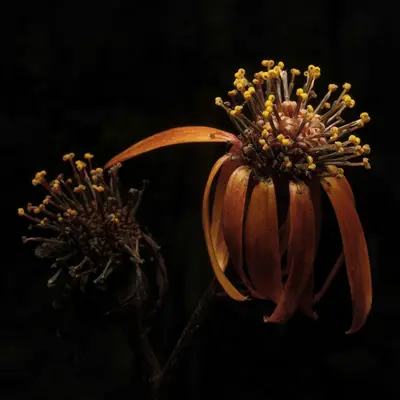
Allegheny Monkey Flower (Mimulus ringens) is a perennial native wildflower. Hardy in USDA zones 3 to 8. Prefers part shade.
Sun
Full sun to partial shade
Zones
3–8
USDA hardiness
Height
1-3 feet
Planting Timeline
Showing dates for Allegheny Monkey Flower in USDA Zone 7
All Zone 7 native-wildflower →Zone Map
Click a state to update dates
Allegheny Monkey Flower · Zones 3–8
Growing Details
Complete Growing Guide
Light: Full sun (6 or more hours of direct sunlight a day), Partial Shade (Direct sunlight only part of the day, 2-6 hours). Soil: Loam (Silt). Drainage: Moist, Occasionally Wet. Height: 1 ft. 0 in. - 3 ft. 0 in.. Spread: 0 ft. 9 in. - 1 ft. 0 in.. Spacing: 12 inches-3 feet. Growth rate: Medium. Maintenance: Low. Propagation: Root Cutting, Seed. Regions: Coastal, Mountains, Piedmont.
Harvesting
The fruit grows as an oblong capsule, each containing from 500 to 1000 seeds. They are spread by the wind and spread on the surface of the surrounding areas.
Type: Capsule. Length: < 1 inch. Width: < 1 inch.
Storage & Preservation
Mimulus ringens is primarily ornamental and not typically harvested for consumption. However, cut flowers should be stored in a cool location (50-55°F) in a vase with fresh water, away from direct sunlight and ethylene-producing fruits. Keep in high humidity and change water every 2-3 days for a 5-7 day vase life. For preservation: dry flowers by hanging stems upside-down in a cool, dark, well-ventilated area for 2-3 weeks, or press flowers between paper for dried floral arrangements. Alternatively, freeze fresh stems in water-filled ice cube trays for seed-saving purposes later in the season.
History & Origin
Mimulus ringens, commonly known as allegheny monkeyflower, is a native North American wildflower with origins in eastern wetlands from Nova Scotia to Florida and westward to British Columbia. The species occurs naturally across USDA zones 3 to 8, where it has thrived in marshy habitats for centuries as part of the regional flora. No specific breeder or formal introduction date is documented, as this plant represents a wild species rather than a cultivated variety developed through deliberate breeding programs. Its presence in the native plant trade reflects growing interest in using locally adapted species for wetland restoration and ornamental gardening rather than intentional horticultural development.
Origin: North America
Advantages
- +Attracts: Butterflies, Hummingbirds, Pollinators
- +Low maintenance
Companion Plants
Cardinal Flower (Lobelia cardinalis) is the strongest pairing — both plants want wet feet, and they stagger their bloom times enough to keep hummingbirds working the same patch from midsummer into fall. Wild Bergamot pulls in native bees and handles moist margins without competing for the water Mimulus ringens demands. Ferns, Wild Ginger, and Heuchera make sensible groundcover neighbors because their shallow, spreading root systems stay out of the same moisture column. Mint looks harmless but spreads by rhizome and can swamp a colony in a single growing season. Black Walnut releases juglone — a compound that disrupts root respiration in many native forbs — and any planting within the drip line of a mature tree is a losing bet.
Plant Together
Wild Bergamot
Attracts beneficial pollinators and shares similar moisture requirements
Cardinal Flower
Thrives in similar moist conditions and attracts hummingbirds for ecosystem diversity
Ferns
Provide shade and help maintain soil moisture while creating natural woodland habitat
Wild Ginger
Ground cover that retains moisture and suppresses weeds in shaded areas
Astilbe
Complementary flowering periods and similar shade and moisture preferences
Heuchera
Provides attractive foliage contrast and thrives in similar partial shade conditions
Coleus
Colorful foliage companion that enjoys similar moist, shaded environments
Impatiens
Shares preference for consistent moisture and partial shade conditions
Keep Apart
Mint
Aggressive spreader that can outcompete and overwhelm native wildflowers
Black Walnut
Produces juglone toxin that inhibits growth of many sensitive plants
Eucalyptus
Allelopathic properties suppress growth of nearby native plants
Troubleshooting Allegheny Monkey Flower
What you'll see, why it happens, and what to do about it.
Leaves wilting or yellowing despite consistently wet soil
Likely Causes
- Crown rot (Phytophthora spp.) — triggered by waterlogged, poorly drained soil
- Root suffocation from compacted clay with no drainage outlet
What to Do
- 1.Check that the planting site has a slow but real outlet for water — a rain garden edge or streambank margin is ideal, but standing water with zero movement will rot the crown
- 2.If the plant is in a container or raised bed, add coarse sand or perlite to open up the mix
- 3.Pull back any mulch piled against the stem base and let the crown breathe
Powdery white coating on leaves in late summer, starting on older growth
Likely Causes
- Powdery mildew (Erysiphe spp.) — common on moisture-loving plants when air circulation is poor and nights turn cool
- Crowded spacing under 12 inches that traps humidity around the foliage
What to Do
- 1.Thin any clumps so plants sit at least 12–18 inches apart and air can move through
- 2.Cut affected stems back hard after bloom — Mimulus ringens rebounds from a midsummer cutback and often pushes clean new growth
- 3.Water at the base in the morning rather than overhead in the evening
Sparse or no flowering on an otherwise healthy-looking plant
Likely Causes
- Too much shade — fewer than 4 hours of direct sun noticeably reduces bloom on Mimulus ringens
- Excess nitrogen from a neighboring fertilized bed pushing vegetative growth at the expense of flowers
What to Do
- 1.Transplant to a spot with at least 4–6 hours of sun; partial shade is fine but deep shade is not
- 2.Skip fertilizer entirely — this plant is adapted to lean, riparian soils and extra nitrogen just grows leaves
- 3.Cut the plant back by about one-third after the first flush of bloom to encourage a second round of flowering
Frequently Asked Questions
Is Mimulus ringens good for beginners?▼
Can you grow Mimulus ringens in containers?▼
When should I plant Mimulus ringens?▼
How long does Mimulus ringens flower?▼
What kind of soil does Mimulus ringens prefer?▼
Why are my Mimulus ringens plants wilting?▼
Zone-by-Zone Planting Calendar
Growing Guides from Wind River Greens
Sources & References
External authority sources used in compiling this guide.
- ExtensionNC State Extension
See the Methodology page for how this data is sourced, what's AI-assisted, and known limitations.