Megaton
Allium porrum
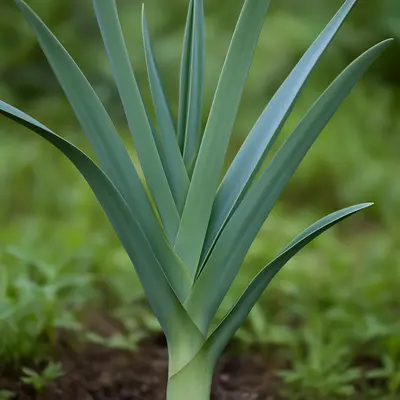
Early maturing and good field holding of long, thick shanks creates a very high yield potential. Less bulbing and splitting, and easier to peel than open-pollinated varieties. Vigorous and uniform.
Harvest
90d
Days to harvest
Sun
Full sun to partial shade
Zones
4–9
USDA hardiness
Height
1-3 feet
Planting Timeline
Showing dates for Megaton in USDA Zone 7
All Zone 7 allium →Zone Map
Click a state to update dates
Megaton · Zones 4–9
Growing Details
Succession Planting
Megaton runs 90 days from transplant, so a single sowing gives you a fairly tight harvest window. Direct sow every 3 to 4 weeks from March through early May in zone 7; anything started after late May is unlikely to build a decent shank before hard frost arrives. Leeks don't bolt the way lettuce does, but shank growth stalls when daytime highs consistently sit at 90°F or above, so late sowings often stay pencil-thin no matter how long you wait.
Two to three staggered sowings will spread your harvest from June through November. A late-April sowing in zone 7 typically pushes into October and November, when a few light frosts actually improve the flavor.
Complete Growing Guide
Early maturing and good field holding of long, thick shanks creates a very high yield potential. Less bulbing and splitting, and easier to peel than open-pollinated varieties. Vigorous and uniform. According to Johnny's Selected Seeds, Megaton is 90 days to maturity, hybrid (f1). Notable features: Cold Tolerant, Easy Choice.
Light: Full sun (6 or more hours of direct sunlight a day), Partial Shade (Direct sunlight only part of the day, 2-6 hours). Soil: High Organic Matter, Loam (Silt), Sand. Drainage: Good Drainage. Height: 1 ft. 0 in. - 3 ft. 0 in.. Spread: 0 ft. 6 in. - 2 ft. 0 in.. Spacing: Less than 12 inches. Growth rate: Medium. Maintenance: Low. Propagation: Division. Regions: Coastal, Mountains, Piedmont.
Harvesting
Megaton reaches harvest at 90 days from sowing per Johnny's Selected Seeds.
The capsule splits longitudinally and contains small round black seeds.
Type: Capsule.
Storage & Preservation
Megaton leeks store best in a cool, humid environment at 32–40°F with 90–95% relative humidity. Place unwashed stalks upright in a perforated plastic bag or damp sand in the crisper drawer; they'll keep for 3–4 weeks this way. For longer storage, trim roots and tops, wrap individually in damp paper towels, and refrigerate for up to two months.
Fresh use remains optimal within the first two weeks. For preservation, blanch cleaned leek pieces for 3 minutes, cool quickly, and freeze in airtight containers for nine months. Alternatively, slice and dry at 140°F until brittle for concentrated flavor in soups and stocks. Megaton's substantial size makes it particularly suited to slicing and freezing in portion-sized batches, reducing prep work during winter cooking.
History & Origin
Megaton is an F1 hybrid developed through controlled cross-pollination. Listed in the Johnny's Selected Seeds catalog.
Origin: Northern Hemisphere, North America and Eurasia
Advantages
- +Early maturity at 90 days enables quick harvests and succession planting
- +Excellent field holding prevents splitting and reduces postharvest losses
- +Long, thick shanks deliver superior yields compared to traditional varieties
- +Easier peeling than open-pollinated types saves significant processing time
- +Uniform growth ensures consistent sizing for commercial markets
Considerations
- -Hybrid seed cost higher than saving open-pollinated variety seeds
- -Requires consistent moisture; drought stress reduces shank thickness
- -Less cold hardiness than some winter leek varieties for storage
- -Vigor demands rich soil; poor fertility noticeably reduces uniformity
Companion Plants
Carrots are the most practical neighbor for Megaton. The leek's sulfur compounds help disrupt carrot fly (Psila rosae) host-finding, and carrots planted 4–6 inches apart break up the soil in a way that benefits leek shanks pushing downward. Marigolds (Tagetes spp.) nearby pull their weight by repelling thrips through volatile scent compounds and drawing in predatory insects. Brassicas — cabbage, broccoli — share similar fertility and moisture demands and don't crowd leek roots at 12–18 inch row spacing, so they fit well in adjacent rows without much competition.
Beans and peas don't belong in the same bed. The sulfur compounds leeks produce interfere with the Rhizobium bacteria that legumes rely on to fix nitrogen, which costs the legumes without giving the leeks anything back. Asparagus is a different problem — both crops run long seasons and put down territorial root systems, and they'll fight for the same ground for years.
Plant Together
Tomatoes
Alliums repel aphids, hornworms, and other pests that damage tomatoes
Carrots
Alliums deter carrot fly while carrots help break up soil for allium bulbs
Brassicas (Cabbage/Broccoli)
Alliums repel cabbage worms, aphids, and flea beetles that attack brassicas
Lettuce
Alliums provide pest protection while lettuce acts as living mulch
Roses
Alliums deter aphids, thrips, and may reduce black spot disease
Peppers
Alliums repel aphids and other soft-bodied insects that damage pepper plants
Strawberries
Alliums deter slugs, aphids, and nematodes that harm strawberry plants
Marigolds
Both repel similar pests creating enhanced protection against nematodes and aphids
Keep Apart
Beans
Alliums can inhibit nitrogen fixation by rhizobia bacteria in legume root nodules
Peas
Allium compounds interfere with nitrogen-fixing bacteria essential for pea growth
Asparagus
Alliums can stunt asparagus growth through allelopathic compounds in soil
Nutrition Facts
Per 100g serving. % Daily Value based on 2,000 calorie diet. Source: USDA FoodData Central (FDC #170000)
Pests & Disease Resistance
Common Pests
Onion maggots, thrips, cutworms, wireworms
Diseases
Fusarium basal rot, pink root, downy mildew, white rot
Troubleshooting Megaton
What you'll see, why it happens, and what to do about it.
Seedlings collapsing at soil level or failing to emerge, especially in cool, wet spring conditions
Likely Causes
- Onion maggot (Delia antiqua) — larvae tunnel through the base and roots just below the soil surface
- Cutworms (Agrotis spp.) severing stems at night
What to Do
- 1.Use floating row cover from germination through the first 6 weeks to block adult flies from laying eggs
- 2.Place cardboard or foil collars around transplant stems at planting to deter cutworms
- 3.If you've had maggot pressure before, work beneficial nematodes (Steinernema feltiae) into the top 3 inches of soil before sowing
Leaves showing silver-white streaking or stippling, sometimes with tiny black frass specks along the leaf surface
Likely Causes
- Thrips (Thrips tabaci) — they rasp the leaf surface and feed in the tight inner leaf folds where sprays don't reach well
What to Do
- 1.Knock populations down with spinosad-based spray early in the morning, targeting the base of the plant where thrips congregate
- 2.Remove and trash any heavily infested outer leaves — don't compost them
- 3.Keep irrigation consistent; drought-stressed leeks draw thrips faster than well-watered ones
Shaft base turning brown and mushy at or just below soil level, with a sour smell, plants pulling up with almost no resistance
Likely Causes
- Fusarium basal rot (Fusarium oxysporum f. sp. cepae) — a soil-borne fungus that persists for years in infected beds
- White rot (Sclerotium cepivorum) — produces small black sclerotia that can survive in dry soil for a decade or more
What to Do
- 1.Pull and bag affected plants immediately — don't compost anything that smells like rot
- 2.Rotate alliums out of that bed for at least 3 years; white rot pushes that closer to 8–10 years
- 3.Amend for drainage before next season — both pathogens accelerate in waterlogged, compacted soil
Frequently Asked Questions
How long does Megaton allium take to mature?▼
Is Megaton a good variety for beginners?▼
What kind of sunlight does Megaton need?▼
Why is Megaton known for high yield potential?▼
How should I space Megaton plants?▼
What makes Megaton easier to peel than other varieties?▼
Zone-by-Zone Planting Calendar
| Zone | Indoor Start | Transplant | Direct Sow | Harvest |
|---|---|---|---|---|
| Zone 3 | — | — | May – June | August – October |
| Zone 4 | — | — | April – June | July – October |
| Zone 5 | — | — | April – May | July – November |
| Zone 6 | — | — | April – May | July – November |
| Zone 7 | — | — | March – May | June – November |
| Zone 8 | — | — | March – April | June – December |
| Zone 9 | — | — | February – March | May – December |
| Zone 10 | — | — | January – March | April – December |
| Zone 1 | — | — | June – July | September – September |
| Zone 2 | — | — | May – July | August – September |
| Zone 11 | — | — | January – February | March – December |
| Zone 12 | — | — | January – February | March – December |
| Zone 13 | — | — | January – February | March – December |
Growing Guides from Wind River Greens
Sources & References
External authority sources used in compiling this guide.
- BreederJohnny's Selected Seeds
- USDAUSDA FoodData Central
See the Methodology page for how this data is sourced, what's AI-assisted, and known limitations.